
Beginner Crypto Guides
Beginner crypto guides can help you learn cryptocurrency one step at a time without getting overwhelmed. This page is your starting point for simple crypto education, including wallets, exchanges, blockchain, Bitcoin, Ethereum, safety, market terms, and beginner-friendly research.
Crypto Profits Lab is designed for new crypto users who want clear explanations without hype, pressure, or confusing jargon. Start with the basic guides first, then move into wallet safety, buying crypto, market research, and individual coin guides as you build confidence.
Start With the Basics
New to crypto? Begin with the foundation before buying anything. Learn what cryptocurrency is, how blockchain technology works, why Bitcoin matters, and how Ethereum powers many crypto apps.
Helpful starting points include:
Learn Wallets and Security
Wallet safety is one of the most important parts of crypto education. Before moving crypto off an exchange, learn how wallets, seed phrases, private keys, and two-factor authentication work.
Good next reads include:
Explore the Latest Beginner Guides
Below, you’ll find the newest beginner crypto guides from Crypto Profits Lab. These articles are written to help you understand crypto in plain English, compare opportunities carefully, avoid common beginner mistakes, and make smarter decisions as you continue learning.
-
Crypto Support and Resistance: 7 Smart, Powerful Tips
Crypto charts can look complicated at first. One of the simplest ways to bring structure to price movements is to learn crypto support and resistance levels. These are…
-
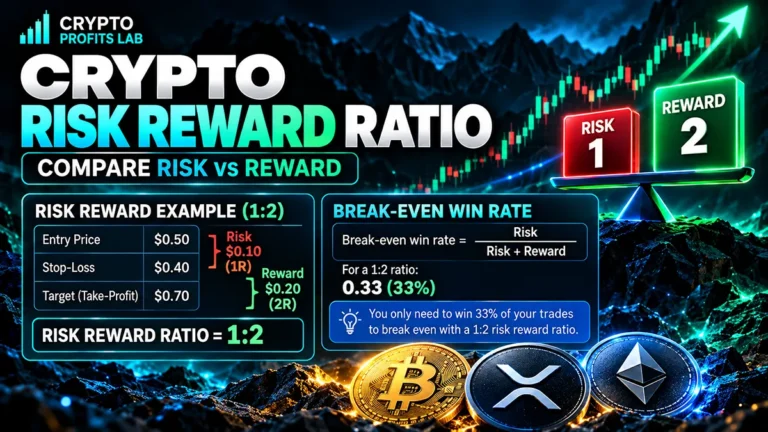
Crypto Risk Reward Ratio: 7 Smart Ways to Trade Better
A crypto risk reward ratio compares how much you are prepared to lose on a trade with how much you hope to gain if the trade reaches its…
-
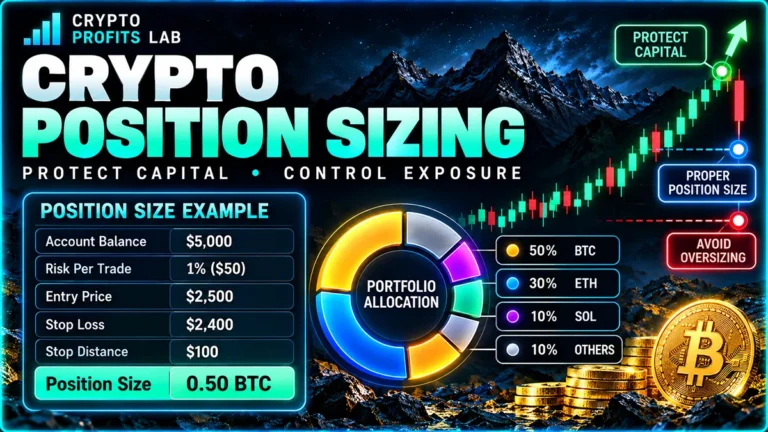
Crypto Position Sizing: A Beginner’s Guide to Smarter Trade Size
Crypto position sizing means deciding how much money to put into one crypto trade based on how much you are willing to lose if the trade goes wrong….
-
Crypto Trailing Stop: A Beginner’s Guide to Protecting Gains
A crypto trailing stop is an order that follows the market when price moves in your favor and can trigger an exit if price reverses by a set…
-
Crypto Take Profit: 7 Smart Ways to Lock In Gains
Crypto take profit is a simple risk-management idea: decide in advance where you may sell some or all of a crypto position if the price rises to a…
-
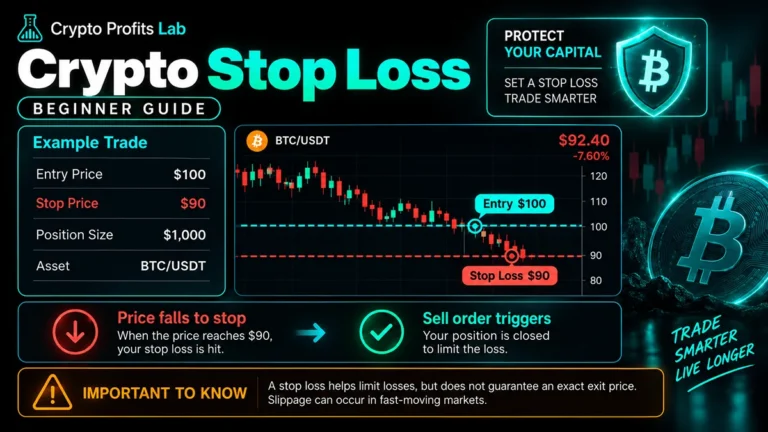
Crypto Stop Loss: A Beginner’s Guide to Protecting Trades
Crypto markets can move quickly. A coin that looks stable one moment can fall sharply a few minutes later, especially during periods of high volatility. That is why…



How to Use These Beginner Crypto Guides
These beginner crypto guides are organized to help you learn one subject at a time. Begin with cryptocurrency and blockchain basics, then move to wallets, exchanges, buying, transfers, market terms, and scam prevention.
You do not need to read every guide in one visit. Choose the section that matches your current question, finish that guide, and return here for the next step.
Learn the basics before researching individual coins or advanced topics such as DeFi, staking, bridges, and token approvals.
Beginner Crypto Guides FAQ
Where should a complete crypto beginner start?
Start with guides explaining cryptocurrency, blockchain technology, Bitcoin, Ethereum, and crypto wallets. These topics create the foundation for understanding exchanges, transactions, market terms, and individual coins. Wallet security should come before making a purchase because beginners need to understand seed phrases, private keys, wallet addresses, and irreversible transfers before controlling valuable cryptocurrency.
Do I need to buy cryptocurrency to start learning?
No. You can learn how cryptocurrency, blockchains, wallets, exchanges, and transactions work without buying anything. Studying first gives you time to understand volatility, fees, security responsibilities, and scams. There is no need to purchase a coin simply because you opened an exchange account or started reading beginner crypto guides.
Should beginners read coin guides first?
Coin guides are useful, but they should not be the first step. Learn cryptocurrency basics, blockchain technology, wallets, market cap, volatility, and tokenomics before researching individual projects. This background helps you understand what a coin is designed to do and evaluate it without relying only on price predictions, social-media excitement, influencer opinions, or marketing claims.
How can a beginner avoid cryptocurrency scams?
Never share a seed phrase, private key, password, or two-factor authentication code. Use official websites, verify wallet addresses, and be suspicious of guaranteed returns, urgent messages, giveaways, and unexpected support contacts. The FTC cryptocurrency scam guidance explains common warning signs and how scammers pressure people into making payments that may be difficult or impossible to reverse.
Is a crypto wallet safer than an exchange?
Neither option is automatically safest for every beginner. An exchange may be easier to use, but the company controls the private keys. A self-custody wallet gives you direct control while making you responsible for protecting the seed phrase and approving transactions. Learn the differences before moving valuable funds, and choose the option whose risks and responsibilities you understand.
Are the guides on Crypto Profits Lab financial advice?
No. Crypto Profits Lab provides beginner-friendly educational information, not financial, investment, legal, or tax advice. The guides explain concepts, tools, risks, and common mistakes so readers can research more carefully. Cryptocurrency can be highly volatile; losses are possible, and no educational guide can guarantee that a coin, token, exchange, wallet, or strategy will be profitable or safe.