What Is a Hardware Wallet? Beginner Guide
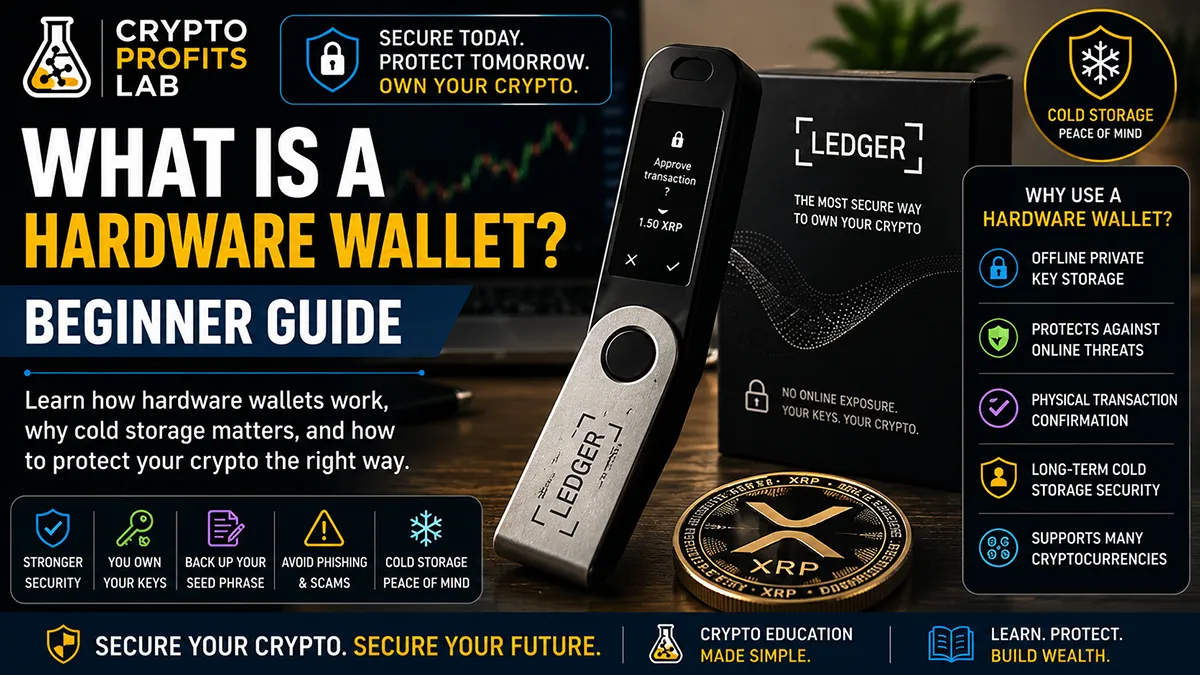
A hardware wallet is a physical device designed to help protect cryptocurrency by keeping private keys offline. For beginners, this is one of the most important crypto security topics to understand, because owning crypto differs from using a traditional bank account.
When you buy cryptocurrency, you are not storing coins inside the device itself. Your crypto exists on a blockchain. The hardware wallet protects the private keys needed to approve transactions and access those funds. That offline protection is what makes hardware wallets popular with long-term crypto holders.
If you are still learning the basics, start with our guides on what is cryptocurrency and blockchain technology. Once you understand how crypto networks work, it becomes easier to understand why wallet security matters.
This beginner’s guide explains what a hardware wallet is, how it works, why it differs from a software wallet, what risks remain, and how beginners can use one more safely.
What Is a Hardware Wallet?
A hardware wallet is a physical crypto wallet that stores private keys in an offline device. Private keys are what allow you to approve crypto transactions. If someone gains access to your private keys or recovery phrase, they may be able to steal your crypto.
A hardware wallet is often considered a type of cold wallet because the private keys are stored separately from regular internet-connected apps and devices. This makes it harder for hackers, malware, fake websites, and phishing attacks to directly access your wallet keys.
The device usually looks like a small USB drive, a card, or a compact electronic gadget. To send crypto, you connect the device to a computer or phone, review the transaction details, and physically approve the transaction on the device.
A hardware wallet can help protect against many online threats, but it does not eliminate all risks. You still need to protect your recovery phrase, buy from trusted sources, verify addresses, and avoid scams.
For a broader overview of wallet types, read our beginner’s guide to crypto wallets.
How Does a Hardware Wallet Work?
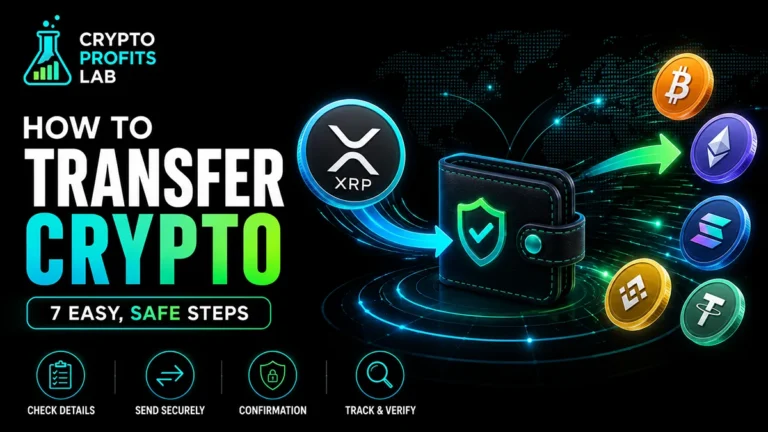
A hardware wallet works by storing your private keys on the device itself. When you want to send crypto, the transaction is prepared on your computer or phone, but the approval happens on the hardware wallet.
This process is important because your private keys do not need to be exposed to the internet-connected device. Even if your computer is less secure, the hardware wallet can still help protect the signing process.
A typical transaction works like this:
- You open the wallet app connected to your device.
- You choose the crypto asset you want to send.
- You enter the recipient’s wallet address.
- You review the amount and network fee.
- The hardware wallet displays transaction details.
- You physically confirm the transaction on the device.
- The signed transaction is broadcast to the blockchain.
The device does not store your actual coins. It stores the keys that allow you to control crypto connected to blockchain addresses. This distinction matters because if the device is lost or damaged, you may still recover your wallet using your recovery phrase.
Before using any wallet, make sure you understand what a crypto seed phrase is and why it must be protected.
Hardware Wallet vs Software Wallet
A software wallet is usually an app, browser extension, or desktop program. It is often called a hot wallet because it is connected to the internet. Hot wallets are convenient for quick transactions, decentralized apps, and small balances.
A hardware wallet is designed for stronger offline protection. It is less convenient than a hot wallet, but it can be safer for long-term storage when used correctly.
Here is the simple difference:
- A software wallet is usually easier to access.
- A hardware wallet usually offers stronger private key protection.
- A software wallet may be better for small, active balances.
- A hardware wallet may be better for larger or long-term holdings.
- A software wallet is more exposed to online threats.
- A hardware wallet reduces direct exposure to internet-connected devices.
Both wallet types can be useful. Many crypto users keep small amounts in a hot wallet and larger long-term holdings in cold storage.
To compare these options in more detail, read the article Hot Wallet vs Cold Wallet.
Why Hardware Wallets Are Popular
A hardware wallet is popular because it gives users more control over their crypto security. Instead of relying completely on an exchange or online wallet, users can hold their own private keys.
This is often called self-custody. Self-custody means you are responsible for your wallet access. That can be powerful, but it also means there is no customer support team that can reset your recovery phrase if you lose it.
Hardware wallets are commonly used by people who want:
- Offline private key storage
- Better protection from malware
- More control over long-term holdings
- Physical confirmation before transactions
- Reduced reliance on exchanges
- Stronger protection against some phishing attacks
- A more secure storage method for larger balances
For an official overview of wallet custody, private keys, hot wallets, cold wallets, and seed phrase safety, read Investor.gov’s guide to crypto asset custody basics.
When Should a Beginner Consider a Hardware Wallet?
A beginner does not necessarily need a cold storage device on day one. If you are buying a very small amount of crypto while learning, keeping it on a reputable exchange may be simpler at first.
However, a hardware wallet becomes more important when your crypto balance grows or when you plan to hold assets for the long term. The more valuable your holdings become, the more important security becomes.
A beginner may want to consider a hardware wallet if they:
- Plan to hold crypto for months or years
- Own more crypto than they are comfortable leaving on an exchange
- Want more control over private keys
- Are learning self-custody
- Want cold storage for long-term assets
- Are you worried about exchange or account risk
- Want better protection from online attacks
Before buying one, make sure you understand wallet basics. If you are still comparing beginner-friendly storage options, read our guide on the best crypto wallet for beginners.
Hardware Wallet vs Crypto Exchange Storage
Many beginners start by buying crypto on an exchange. This is common because exchanges make it easier to buy, sell, and track balances. If you are new to the buying process, read “How to Buy Crypto for Beginners” first.
When crypto is stored on an exchange, the platform usually controls custody. This means the exchange manages the private keys for your account balance. That can be convenient, but it requires trust.
A hardware wallet gives you more direct control. You hold the recovery phrase, approve transactions, and manage wallet security yourself. This reduces some exchange-related risks but introduces personal responsibility.
Exchange storage may be better for:
- Small beginner balances
- Frequent buying and selling
- Users who are still learning
- People who want account recovery options
- Quick access to trading features
A hardware wallet may be better for:
- Long-term crypto storage
- Larger balances
- Users who understand self-custody
- People who want offline key protection
- Investors who do not trade frequently
There is no single perfect choice for every beginner. The best option depends on your experience, balance size, security habits, and comfort level.
Main Benefits of Using a Hardware Wallet
A hardware wallet can offer several important advantages when used correctly.
Key benefits include:
- Private keys stay offline.
- Transactions require physical confirmation.
- Long-term holdings are better separated from online apps.
- Recovery phrases can restore access if the device is lost.
- Users have more control over their crypto.
- It reduces reliance on exchange custody.
- It may help protect against some malware and phishing attacks.
The biggest advantage is the protection of the private key. If private keys are exposed online, funds may be stolen quickly. A hardware wallet helps reduce that risk by keeping those keys isolated inside the device.
Another benefit is intentional approval. Because you must physically confirm transactions, a hardware wallet adds friction. That extra step can help prevent careless or rushed transactions.
Risks and Limitations of Hardware Wallets
An offline wallet is not magic protection. It can reduce certain risks, but it does not protect you from every mistake.
Common hardware wallet risks include:
- Losing the recovery phrase
- Storing the recovery phrase digitally
- Buying a tampered device
- Approving a malicious transaction
- Sending crypto to the wrong address
- Using the wrong blockchain network
- Falling for fake wallet apps
- Losing or damaging the device
- Forgetting the PIN
- Failing to update device firmware safely
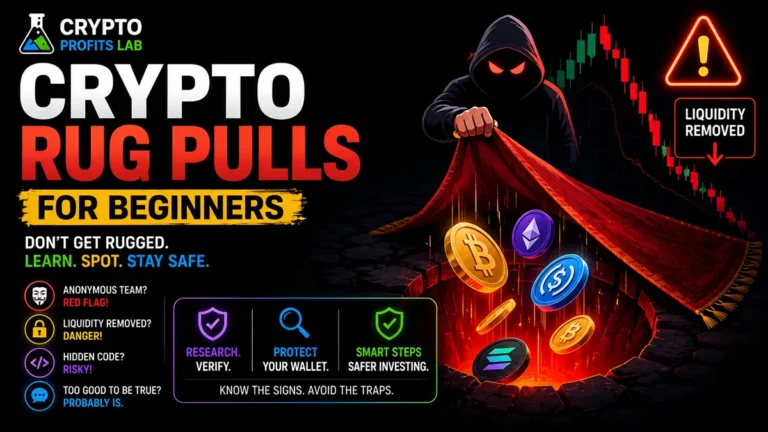
The recovery phrase is usually the biggest risk for beginners. If someone gets your recovery phrase, they may not need your physical device to steal your crypto. If you lose the phrase and your device stops working, you may lose access permanently.
Never type your recovery phrase into a website, email, text message, cloud document, or random app. Real wallet support will not need your recovery phrase.
To avoid common threats, review crypto scams to avoid and crypto safety tips.
How to Set Up a Hardware Wallet Safely
Setting up a hardware wallet should be done slowly and carefully. Do not rush the process. A small setup mistake can create a major security problem later.
Basic setup steps usually include:
- Buy the device from the official manufacturer or a trusted seller.
- Inspect the packaging for signs of tampering.
- Download wallet software only from the official website.
- Initialize the device yourself.
- Create a new wallet on the device.
- Write the recovery phrase on paper or a metal backup.
- Store the recovery phrase offline in a secure place.
- Create a strong PIN.
- Confirm that the device works before transferring larger funds.
- Send a small test transaction first.
Do not use a device that arrives with a recovery phrase already printed or written down. A legitimate new wallet should allow you to generate your own recovery phrase during setup.
Also, avoid buying used hardware wallets. Even if the device looks normal, it may have been tampered with or set up insecurely.
How to Protect Your Recovery Phrase
Your recovery phrase is one of the most important parts of using a self-custody wallet. It is the backup that can restore your wallet if the device is lost, damaged, or replaced.
Best practices for recovery phrase storage include:
- Write it down offline.
- Do not save it in screenshots.
- Do not store it in an email.
- Do not upload it to cloud storage.
- Do not text it to yourself.
- Do not share it with anyone.
- Store it somewhere private and secure.
- Consider a fire-resistant or metal backup for larger holdings.
- Keep it protected from theft, water, fire, and accidental disposal.
Some users choose to store backup copies in separate secure locations. This can protect against damage, but it also increases the number of places someone could find the phrase. Beginners should think carefully before making multiple copies.
The recovery phrase is more important than the physical device. A lost device can often be replaced. A stolen recovery phrase can lead to stolen crypto.
How to Send Crypto to a Hardware Wallet
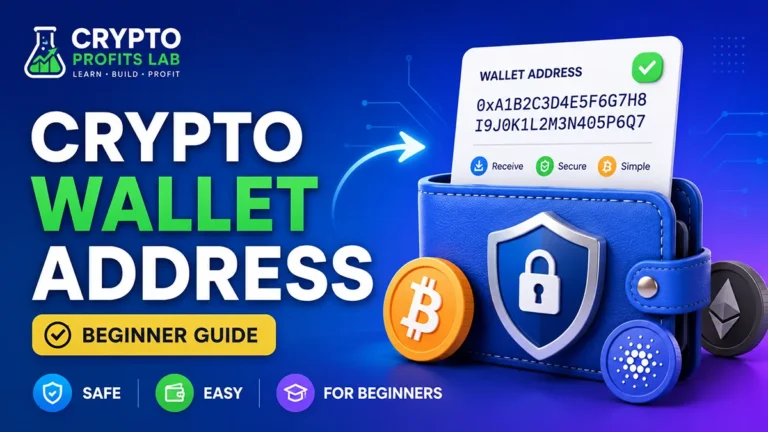
Sending crypto to a hardware wallet requires care. Transactions on most blockchains are irreversible. If you send funds to the wrong address or wrong network, recovery may not be possible.
Before sending crypto:
- Confirm the wallet supports the asset.
- Confirm the correct blockchain network.
- Copy the receiving address carefully.
- Verify the address on the hardware wallet screen if available.
- Send a small test amount first.
- Wait for confirmation.
- Only then send a larger amount if everything is correct.
Network selection is one of the most common beginner mistakes. Some crypto assets can exist on multiple networks. For example, a token may be available on Ethereum and other networks. Sending to the wrong network can create serious problems.
You should also understand network fees before transferring assets. Our guide to crypto gas fees explains why some blockchain transfers cost more than others.
Should You Keep All Crypto on a Hardware Wallet?
Not always. An offline storage device is excellent for long-term storage, but it may not be the best place for every dollar of crypto you own.
Many users separate crypto into different categories:
- Long-term holdings in a hardware wallet
- Small spending or testing amounts in a hot wallet
- Trading funds on an exchange
- Staking assets where appropriate
- Experimental funds kept separate from main holdings
This approach can reduce risk. If one wallet or account has a problem, everything is not exposed in the same place.
Beginners should avoid moving all funds around frequently. Every transaction creates a chance for error. Keep your system simple until you understand addresses, networks, fees, and wallet recovery.
Hardware Wallet and Crypto Staking
Some users want to know whether a hardware wallet can be used for crypto staking. The answer depends on the cryptocurrency, wallet app, and staking method.
In some cases, a hardware wallet can be used to approve staking or delegation transactions while keeping private keys offline. In other cases, staking may happen through an exchange, wallet app, or validator service.
Before staking from a hardware wallet, understand the rules:
- Does the asset support staking?
- Is there an unstaking period?
- Are there validator fees?
- Is there a slashing risk?
- Do rewards stay liquid?
- Can you safely manage the wallet app?
- Do you understand the transaction you are approving?
If you are new to staking, read our beginner’s guide to crypto staking before using your hardware wallet for staking activity.
Common Beginner Mistakes with Hardware Wallets
Beginners often assume that simply buying a hardware wallet solves every security problem. It does not. The device helps, but your habits matter just as much.
Common mistakes include:
- Buying from an untrusted seller
- Using a device that came with a prewritten seed phrase
- Taking a photo of the recovery phrase
- Saving the recovery phrase in cloud storage
- Entering the phrase into a fake website
- Sending crypto without a test transaction
- Ignoring network selection
- Not verifying the address on the device screen
- Forgetting the PIN
- Failing to plan for inheritance or emergency access
A hardware wallet works best when combined with careful behavior. If your recovery phrase is exposed, the device may not protect you.
How Much Crypto Should You Store in an Offline Wallet?
There is no exact dollar amount that applies to everyone. A simple way to think about it is this: if losing the crypto would seriously upset you, it may be time to learn about hardware wallet storage.
For a very small beginner balance, exchange storage may be convenient while you learn. For larger long-term holdings, a hardware wallet may provide better protection and more control.
Consider a hardware wallet when:
- Your crypto balance becomes meaningful to you.
- You plan to hold long-term.
- You do not need frequent access to trading.
- You understand the recovery phrase responsibility.
- You are ready to manage self-custody carefully.
The key is not just buying the device. The key is learning how to use it safely.
Crypto Wallet Checklist for Beginners
Before using a hardware wallet, review this checklist:
- I bought the device from a trusted source.
- I created the wallet myself.
- My recovery phrase was generated during setup.
- I wrote the recovery phrase offline.
- I did not photograph or upload the recovery phrase.
- I created a secure PIN.
- I downloaded software from the official website.
- I understand how to receive crypto.
- I know how to verify addresses.
- I sent a small test transaction first.
- I understand network fees.
- I know how wallet recovery works.
If you cannot check off these items, slow down and learn more before transferring larger amounts.
Final Thoughts: A Cold Storage Device Can Improve Crypto Security
A hardware wallet can be one of the strongest tools for protecting crypto, especially for long-term holders. It keeps private keys offline, requires physical approval, and gives users more control over their assets.
However, a hardware wallet also creates responsibility. You must protect your recovery phrase, verify transactions, avoid fake software, choose the correct network, and keep the device secure.
Beginners should not rush into self-custody without understanding the basics. Start by learning how wallets work, how recovery phrases work, how crypto transfers work, and how scams target wallet users.
If you are serious about protecting crypto for the long term, a hardware wallet can be a smart step. Just remember that the device is only part of your security system. Your habits matter just as much.
FAQ: Hardware Wallet
What is a hardware wallet?
A hardware wallet is a physical device that helps protect cryptocurrency private keys offline. It allows users to approve transactions without exposing private keys to normal internet-connected devices. The crypto itself remains on the blockchain, while the hardware wallet protects the keys needed to control it. Hardware wallets are commonly used for long-term crypto storage.
Is a hardware wallet safe for beginners?
A hardware wallet can be safe for beginners when it is purchased from a trusted source and set up correctly. The main risks stem from user errors, such as losing the recovery phrase, entering it on fake websites, using the wrong network, or approving suspicious transactions. Beginners should learn wallet basics before moving large amounts.
Do I need a hardware wallet for crypto?
You do not always need a hardware wallet for a small beginner balance. Many beginners start with a reputable exchange while learning. A hardware wallet becomes more useful when your crypto balance grows, when you plan to hold long term, or when you want more control over your private keys and cold storage security.
What happens if I lose my hardware wallet?
If you lose your hardware wallet, you may still recover your crypto using your recovery phrase on a compatible wallet device or app. The device itself is not the main backup. The recovery phrase is. If you lose both the device and the recovery phrase, you may permanently lose access to your crypto.
Can a hardware wallet be hacked?
A hardware wallet is designed to reduce the risk of online hacking by keeping private keys offline, but it is not immune to all threats. Users can still lose funds through phishing, fake wallet software, malicious transactions, exposed recovery phrases, or physical theft. Safe setup, address verification, and recovery phrase protection are essential.
Is a hardware wallet better than a software wallet?
A hardware wallet usually provides stronger private key protection than a software wallet because it keeps keys offline. A software wallet is often more convenient for small balances, frequent transactions, or decentralized apps. Many users use both: a software wallet for active use and a hardware wallet for long-term storage.
Where should I store my hardware wallet recovery phrase?
Your recovery phrase should be stored offline in a private, secure location. Do not save it in email, cloud storage, screenshots, password managers, or text messages. Many users write it on paper or use a metal backup for stronger physical durability. Anyone who finds your recovery phrase may be able to access your crypto.
Should I buy a used hardware wallet?
Beginners should avoid used hardware wallets. A used device may have been tampered with, preconfigured, or handled insecurely. It is safer to buy directly from the official manufacturer or a trusted authorized seller. Never use a wallet that arrives with a recovery phrase already written down or printed inside the package.
Can I stake crypto with a hardware wallet?
Yes, you can stake some cryptocurrencies with a hardware wallet, but it depends on the coin, wallet brand, and staking method. In many cases, the hardware wallet helps keep your private keys offline while you connect to a supported staking app or wallet interface. Not every crypto can be staked, and staking may involve lockups, fees, validator risk, or price volatility. Beginners should research the asset and staking rules before starting.