Crypto Safety Tips for Beginners: 11 Essential Rules
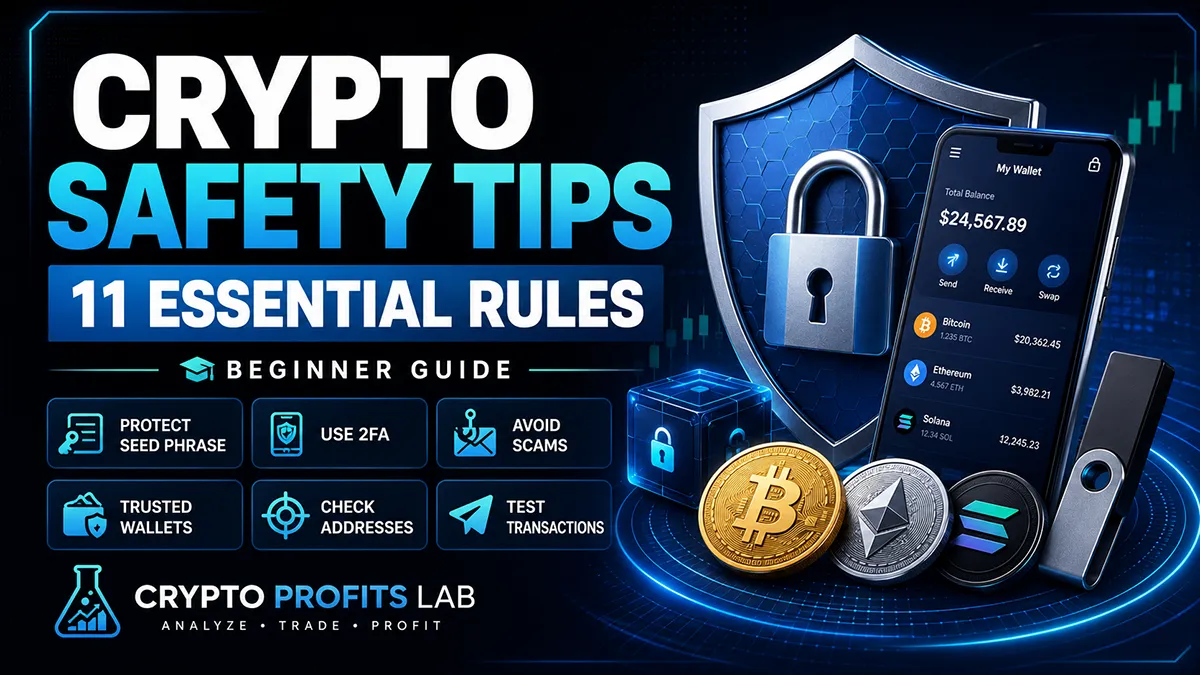
Crypto safety tips for beginners are important because cryptocurrency gives users more control, but that control comes with more responsibility. Unlike a traditional bank account, many crypto transactions cannot be reversed. If you send funds to the wrong address, share your recovery phrase, or fall for a fake investment platform, recovering your money may be difficult or impossible.
The good news is that most beginner mistakes can be reduced with simple habits. You do not need to be a cybersecurity expert to protect yourself better. You need to slow down, understand the basics, use trusted platforms, protect your accounts, and avoid rushing into anything that sounds too good to be true.
This guide explains practical crypto safety tips for beginners in plain English. You will learn how to secure accounts, protect wallets, avoid scams, verify transactions, store recovery phrases safely, and build safer habits before investing larger amounts.
These crypto safety tips for beginners are most useful when you apply them before buying, sending, or storing larger amounts of crypto.
If you are brand new to digital assets, start with what is cryptocurrency and blockchain technology. Those guides will help you understand why crypto security matters before you buy, store, or transfer funds.
Why Crypto Safety Matters
Crypto safety matters because the crypto world is built around personal control. When you own crypto in a self-custody wallet, you may be responsible for passwords, wallet addresses, seed phrases, private keys, and transaction approvals. That can be empowering, but it also means mistakes can be costly.
Crypto also attracts scammers. Fake exchanges, phishing links, fake giveaways, wallet recovery scams, social media impersonators, and fake investment platforms often target beginners. Scammers know that new users may not understand wallet security or irreversible blockchain transactions yet.
The most important crypto safety tips for beginners are not complicated. Use strong passwords. Turn on two-factor authentication. Never share your seed phrase. Use trusted wallets and exchanges. Send small test transactions. Avoid pressure and guaranteed-profit claims.
One of the simplest crypto safety tips for beginners is to slow down before clicking links, approving transactions, or sending funds.
The FTC’s guide on cryptocurrency scams is a helpful authority resource for learning how scammers use crypto payment demands, fake investment promises, and urgency to trick people.
Quick Crypto Safety Checklist
Use this table as a fast reference before buying, storing, or sending crypto.
| Safety Area | Beginner Rule | Why It Matters |
|---|---|---|
| Exchange account | Use 2FA and a unique password | Helps reduce account takeover risk |
| Wallet backup | Store your seed phrase offline | Protects wallet recovery access |
| Transfers | Send a small test transaction first | Reduces wrong-address mistakes |
| Links | Use bookmarked official websites | Helps avoid phishing pages |
| Apps | Download from official sources | Reduces fake wallet app risk |
| Investments | Avoid guaranteed-profit claims | Scammers often promise easy returns |
| Storage | Use cold storage for larger holdings | Reduces online exposure |
| Secure your email with 2FA | Email often controls account recovery | |
| Devices | Keep devices updated | Reduces malware and security risks |
| Research | Learn before buying | Reduces emotional decisions |
1. Never Share Your Recovery Phrase
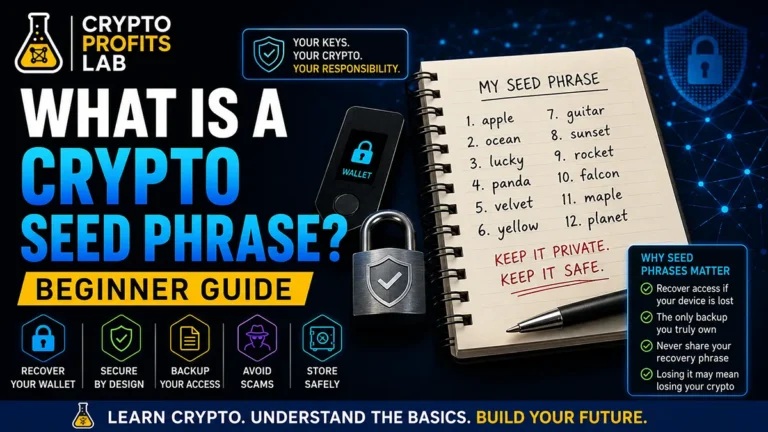
One of the most important crypto safety tips for beginners is simple: never share your recovery phrase. A recovery phrase, also called a seed phrase, is the backup that can restore access to a self-custody wallet.
Most seed phrases are 12 or 24 words. These words must be kept private and in the correct order. Anyone who has your seed phrase may be able to restore your wallet and move your crypto. They may not need your phone, password, or hardware wallet.
Never share your recovery phrase with:
- Wallet support
- Exchange support
- Friends
- Social media contacts
- Investment groups
- Recovery services
- Airdrop websites
- Staking platforms
- Anyone in direct messages
A real support agent should never ask for your seed phrase. If someone asks for it, assume it is a scam.
Before using a self-custody wallet, read our full guide to crypto seed phrase. This is one of the most important topics for anyone learning crypto security.
2. Use Strong Passwords and Two-Factor Authentication
Your exchange account, email account, password manager, and wallet-related accounts should all use strong, unique passwords. Do not reuse passwords from social media, shopping websites, banking apps, or old accounts.
A strong password should be long, unique, and hard to guess. A password manager can help you create and store better passwords without trying to memorize them all.
Two-factor authentication, also called 2FA, adds another layer of protection. Even if someone gets your password, they may still need a temporary code from an authenticator app or security key.
For crypto accounts, an authenticator app is usually better than SMS text message codes because phone numbers can be vulnerable to SIM swap attacks.
Protect these accounts with 2FA:
- Crypto exchanges
- Email accounts
- Password managers
- Cloud storage
- Banking apps
- Trading apps
- Mobile carrier accounts
Learn more in our beginner guide to crypto 2FA.
3. Choose Trusted Crypto Exchanges
A beginner-friendly exchange can make buying crypto easier, but you should still choose carefully. Not every platform is safe, and some fake exchanges are designed to steal deposits.
Before creating an account, research the exchange’s reputation, security features, fees, withdrawal process, and supported assets. Avoid exchanges promoted through random messages, online dating contacts, private groups, or social media hype.
A safer exchange should offer:
- Two-factor authentication
- Clear fees
- Real customer support
- Withdrawal protections
- Account alerts
- Strong reputation
- Transparent company information
- Easy-to-understand buying tools
If you are still choosing a platform, read best crypto exchange for beginners. You may also want to review centralized vs decentralized exchanges to understand how different exchange types work.
4. Learn Wallet Basics Before Moving Funds
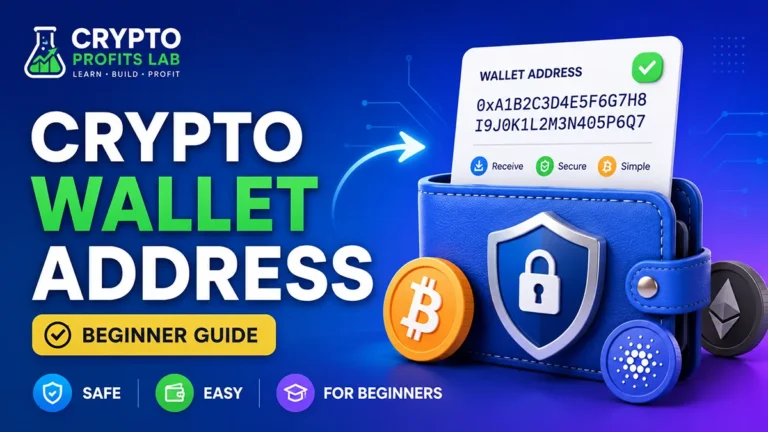
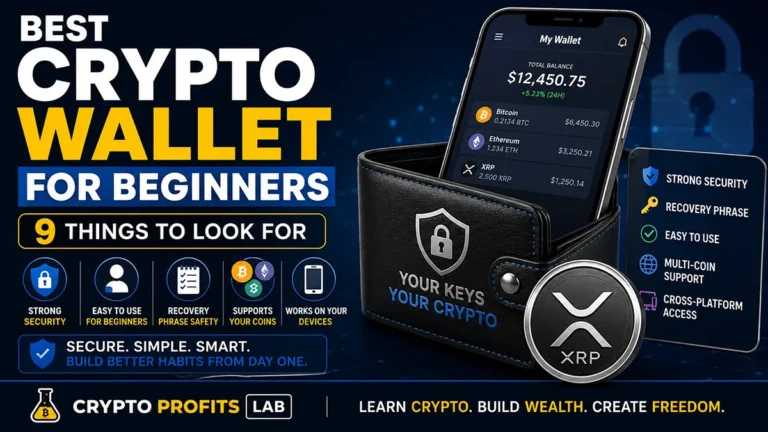
A crypto wallet is a tool that helps you manage access to cryptocurrency. It does not store coins the way a physical wallet stores cash. Your crypto exists on the blockchain, while the wallet helps manage the keys needed to access it.
Beginners often make mistakes because they move crypto before understanding wallets, addresses, networks, and recovery phrases. Before transferring funds off an exchange, learn the difference between exchange storage, hot wallets, cold wallets, and hardware wallets.
A hot wallet is connected to the internet and is convenient for smaller balances. A cold wallet keeps keys offline and is often better for long-term storage. A hardware wallet is a physical cold storage device used by many long-term holders.
Helpful wallet guides include:
Learning wallet basics is one of the best crypto safety tips for beginners because it helps prevent rushed transfers and lost funds.
5. Double-Check Wallet Addresses Before Sending Crypto
Crypto transactions are usually irreversible. If you send funds to the wrong address, there may be no way to get them back. This makes address verification extremely important.
Before sending crypto, check:
- The recipient address
- The blockchain network
- The asset being sent
- The transaction fee
- The total amount
- Whether the wallet supports that asset
- Whether the address was copied correctly
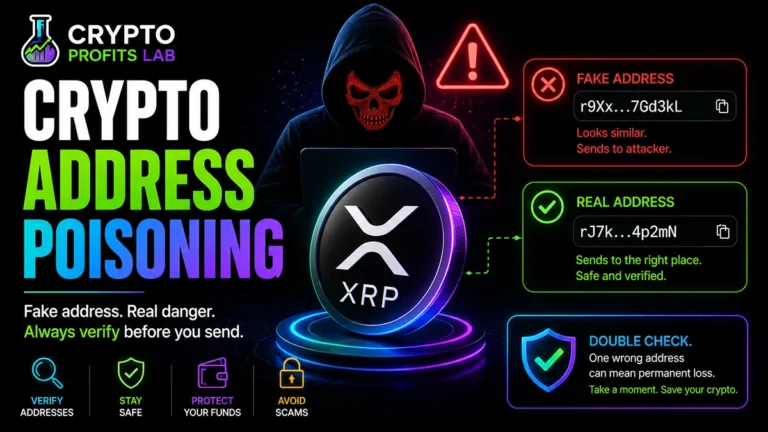
Some malware can replace copied wallet addresses with a scammer’s address. That is why you should compare the first and last several characters before confirming a transaction. When using a hardware wallet, verify the address on the device screen when possible.
For larger transfers, always send a small test transaction first. Once the test arrives correctly, you can send the remaining amount with more confidence.
6. Understand Network Fees and Wrong-Network Risk
Crypto assets may exist on different blockchain networks. Sending crypto on the wrong network can create serious problems. In some cases, funds may be difficult or impossible to recover.
For example, a token may exist on Ethereum and also on another network. If you choose the wrong network during withdrawal, the receiving wallet or exchange may not support it.
Before sending funds, ask:
- Which network am I using?
- Does the receiving wallet support this network?
- Does the exchange support deposits on this network?
- What is the network fee?
- Is this the correct token contract or asset?
- Should I send a small test amount first?
Network fees can also change. Some networks are inexpensive, while others may become costly during busy periods. Ethereum, for example, uses gas fees. Learn more in our guide to crypto gas fees.
7. Avoid Fake Links, Fake Apps, and Phishing Pages
Phishing is one of the most common threats in crypto. A phishing website may look like a real exchange, wallet, or support page. Its goal is to steal your login, 2FA code, recovery phrase, or wallet permissions.
Avoid logging in through links from:
- Emails
- Text messages
- Social media comments
- Direct messages
- Sponsored ads
- Unknown websites
- Fake support replies
- Telegram or Discord messages
Instead, bookmark the official websites you use. Download wallet apps only from official sources. Check the developer’s name carefully in app stores. Avoid browser extensions unless you are sure they are legitimate.
Phishing links are one of the most important crypto safety tips for beginners to understand because they often look convincing. Slow down before entering any password, code, or wallet information.
Following crypto safety tips for beginners can help reduce common risks like phishing, fake wallet apps, seed phrase theft, and wrong-network transfers.
8. Watch Out for Common Crypto Scams
Scams are a major risk for beginners. Many scams use urgency, greed, fear, or confusion to push users into sending funds quickly.
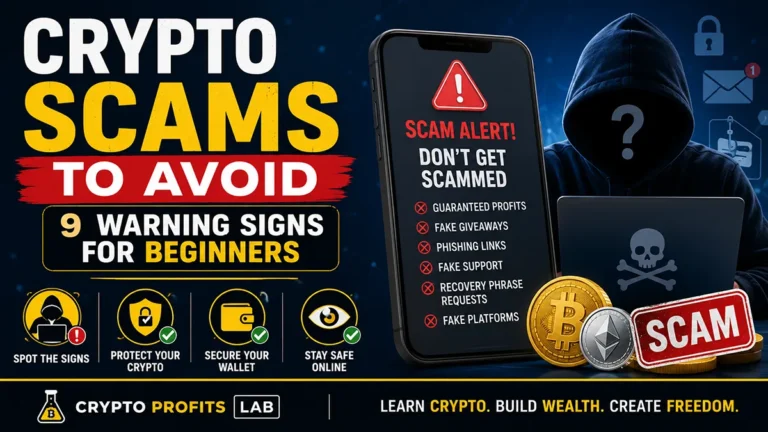
Common crypto scams include:
- Fake investment platforms
- Fake exchanges
- Fake customer support
- Fake giveaways
- Romance investment scams
- Pump-and-dump groups
- Wallet recovery scams
- Fake staking opportunities
- Fake airdrops
- Impersonation scams
Red flags include:
- Guaranteed returns
- Pressure to act fast
- Requests for seed phrases
- Upfront fees to withdraw money
- Direct messages from strangers
- Fake support agents
- Unverified investment platforms
- Claims of secret trading systems
Before trusting any opportunity, read crypto scams to avoid. Avoiding scams is one of the most valuable crypto safety tips for beginners because prevention is much easier than recovery.
9. Use Cold Storage for Larger or Long-Term Holdings
If your crypto balance becomes meaningful, you may want to consider cold storage. Cold storage keeps private keys offline, reducing exposure to online attacks.
A hardware wallet is one of the most common cold storage tools. It requires physical confirmation before transactions and keeps private keys separate from normal internet-connected devices.
Cold storage may be useful if you:
- Plan to hold crypto for months or years
- Own more crypto than you are comfortable leaving on an exchange
- Want more control over private keys
- Do not trade frequently
- Understand seed phrase responsibility
- Are ready to learn self-custody
Cold storage is not magic protection. You still need to protect your recovery phrase, avoid fake wallet software, verify addresses, and use trusted sources. But for long-term storage, it can be a strong security upgrade.
10. Keep Devices Updated and Protected
Your phone, computer, and browser can affect your crypto security. If your device is infected with malware, your passwords, wallet activity, or copied addresses may be at risk.
Use these device safety habits:
- Keep operating systems updated.
- Update wallet apps and browsers from official sources.
- Avoid installing unknown software.
- Use antivirus or built-in security tools when appropriate.
- Do not use public computers for crypto accounts.
- Avoid public Wi-Fi for important logins.
- Lock your phone and computer with strong passcodes.
- Remove browser extensions you do not use.
- Be careful with screen sharing and remote access tools.
A clean, updated device reduces avoidable risks. It also makes it easier to notice suspicious behavior.
11. Start Small and Learn Before Investing More
One of the simplest crypto safety tips for beginners is to start small. Your first crypto purchase should be about learning the process, not taking a big risk.
Start with an amount that would not create stress if the price drops. Learn how the exchange works, how fees appear, how wallets function, and how transfers are confirmed. Once you understand the basics, you can make better decisions.
If you have not bought crypto yet, read how to buy crypto for beginners.
Beginners should also understand that crypto prices can move sharply. A coin can rise quickly and fall just as fast. Before investing more, read crypto volatility and bull vs bear market crypto.
Some beginners use a slow buying strategy called dollar-cost averaging. This means buying a fixed amount on a schedule instead of trying to time the market. You can learn more in dollar cost averaging crypto.
Beginner Crypto Safety Plan
Here is a simple safety plan you can follow before making larger crypto decisions.
| Step | Action | Goal |
|---|---|---|
| 1 | Learn basic crypto terms | Avoid confusion |
| 2 | Choose a reputable exchange | Reduce platform risk |
| 3 | Enable 2FA | Protect account access |
| 4 | Secure your email | Protect password resets |
| 5 | Buy a small amount first | Learn without major risk |
| 6 | Study wallet basics | Prepare for self-custody |
| 7 | Protect your seed phrase | Secure wallet recovery |
| 8 | Send test transactions | Avoid transfer mistakes |
| 9 | Avoid scam links | Reduce phishing risk |
| 10 | Review storage options | Match security to balance size |
This plan keeps the process simple. You can always build more advanced habits later.
Common Beginner Mistakes to Avoid
Many crypto losses happen because of preventable mistakes. Beginners should watch for these errors:
- Buying before understanding the asset
- Reusing passwords
- Skipping two-factor authentication
- Taking screenshots of seed phrases
- Downloading fake wallet apps
- Sending funds without a test transaction
- Using the wrong blockchain network
- Trusting fake support agents
- Clicking exchange links from emails
- Falling for guaranteed-profit claims
- Keeping large balances in hot wallets
- Ignoring market volatility
The best crypto safety tips for beginners focus on prevention because most blockchain transactions cannot be reversed after confirmation.
The safest approach is to slow down. When crypto feels urgent, pause and verify.
Final Thoughts: Build Safe Habits Early
Crypto safety tips for beginners are not about fear. They are about building good habits before mistakes happen. A few simple steps can reduce many common risks.
Use strong passwords. Turn on two-factor authentication. Protect your seed phrase offline. Download apps from official sources. Avoid fake links. Send test transactions. Learn wallet basics. Start small. Never trust guaranteed-profit promises.
Crypto gives users more control, but control requires responsibility. The safest beginner is not the person who moves fastest. It is the person who learns first, verifies carefully, and protects every account and wallet before taking bigger steps.
The more you practice these crypto safety tips for beginners, the more confident and prepared you will be as your crypto knowledge grows.
FAQ: Crypto Safety Tips for Beginners
What are the most important crypto safety tips for beginners?
The most important crypto safety tips for beginners are to use strong passwords, enable two-factor authentication, protect your seed phrase offline, avoid fake links, use trusted exchanges, and send small test transactions before moving larger amounts. Beginners should also avoid guaranteed-profit claims, fake support agents, and wallet apps downloaded from unknown sources.
How can beginners keep crypto safe?
Beginners can keep crypto safer by starting small, using reputable platforms, securing email and exchange accounts, learning wallet basics, and avoiding rushed decisions. A self-custody wallet requires careful seed phrase protection, while exchange accounts require strong passwords and 2FA. Crypto safety depends on both the tools you use and the habits you build.
Should beginners use a hardware wallet?
Beginners do not always need a hardware wallet for small amounts, but it can be useful for larger or long-term holdings. A hardware wallet keeps private keys offline and requires physical transaction confirmation. However, it also requires careful setup and seed phrase protection. Beginners should learn wallet basics before moving large funds to cold storage.
Is it safe to leave crypto on an exchange?
Leaving small amounts on a reputable exchange may be convenient while learning, but it requires trust in the platform. Exchanges can have account, withdrawal, or custody risks. Beginners should secure exchange accounts with strong passwords and 2FA. For larger long-term holdings, many users learn self-custody and cold storage options.
Why is a seed phrase important for crypto safety?
A seed phrase is important because it can restore access to a self-custody wallet. If someone gets your seed phrase, they may be able to move your crypto. If you lose it, wallet recovery may be impossible. Beginners should store seed phrases offline and never share them with support agents, websites, or online contacts.
How do I avoid crypto phishing scams?
To avoid crypto phishing scams, use bookmarked official websites, avoid login links from emails or direct messages, check URLs carefully, and never enter your seed phrase online. Phishing pages often copy real exchange or wallet branding. Two-factor authentication can help, but safe browsing habits are still essential for protecting crypto accounts.
Should I send a test transaction first?
Yes, sending a small test transaction first is a smart safety habit, especially when using a new wallet address or blockchain network. A test transaction helps confirm that the address, network, and receiving wallet are correct. After the small amount arrives safely, you can send a larger amount with more confidence.
What is the biggest mistake beginners make with crypto security?
One of the biggest beginner mistakes is treating a seed phrase like a normal password. A seed phrase can restore wallet access and should never be stored online, photographed, or shared. Other major mistakes include skipping 2FA, clicking fake links, using untrusted wallet apps, and sending crypto without checking the network.
Can crypto transactions be reversed?
Most crypto transactions cannot be reversed once confirmed on the blockchain. If you send funds to the wrong address, use the wrong network, or send crypto to a scammer, recovery may be difficult or impossible. This is why beginners should verify addresses, send test transactions, and avoid rushing under pressure.