Custodial Wallet vs Non-Custodial Wallet: Beginner’s Guide
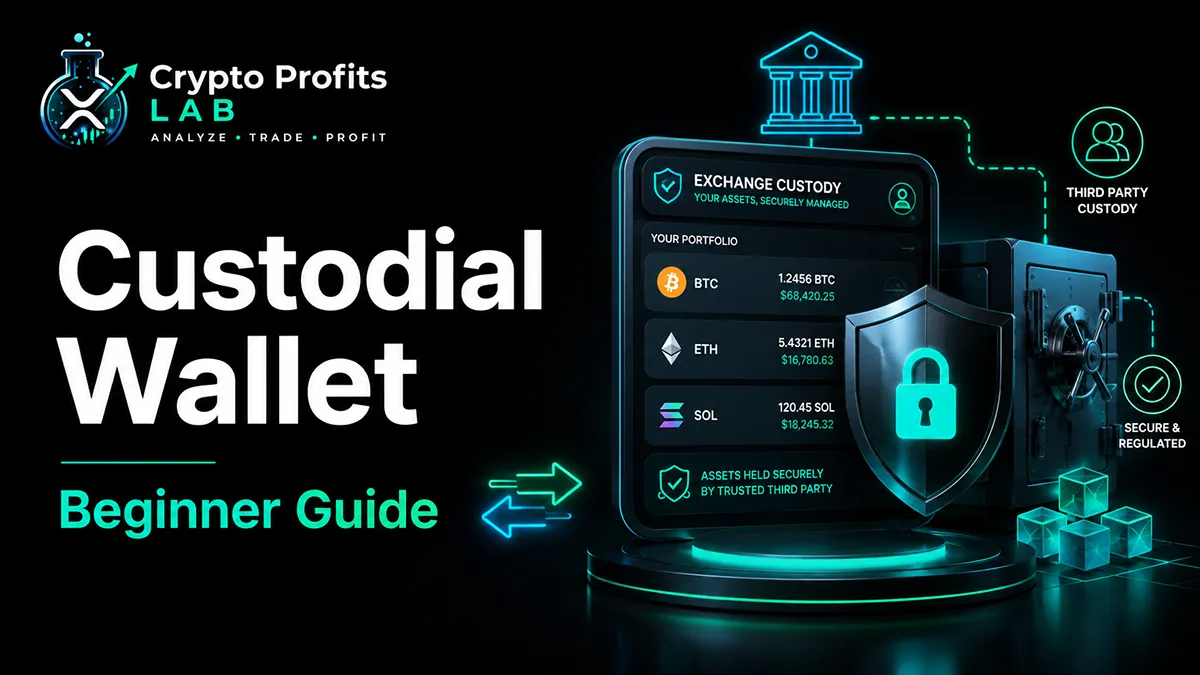
A custodial wallet is one of the first wallet types many crypto beginners use, even if they do not realize it. If you buy crypto on a centralized exchange and leave it there, you are usually using a custodial wallet setup. The exchange or platform helps manage access to your crypto account, handles the technical wallet details, and may provide password recovery and customer support.
That can feel simple and convenient. But it also means you are trusting a third party with important control over your access to crypto.
A non-custodial wallet is different. With a non-custodial wallet, you control the private keys or recovery phrase yourself. That gives you more direct ownership, but it also gives you more responsibility. If you lose your recovery phrase, there may be no company that can reset your wallet.
This beginner guide explains the difference in simple terms so you can decide which setup makes sense for your skill level, goals, and risk tolerance.
This article is for education only. It is not financial, investment, tax, or legal advice.
Quick Answer: What Is a Custodial Wallet?
A custodial wallet is a crypto wallet setup where a third party, such as an exchange or crypto platform, manages the private keys for you. Private keys are the secret information that controls crypto on a blockchain. With a custodial wallet, you usually access your account using a username, password, and security settings rather than managing the private keys directly.
The biggest benefit is convenience. A beginner can buy, sell, and hold crypto without immediately learning every detail of self-custody.
The biggest tradeoff is control. If the platform controls the keys, you are relying on that company to protect funds, process withdrawals, comply with rules, and keep the platform operating properly.
For a stronger foundation, read What Is a Crypto Wallet? and Crypto Private Key before deciding where to store your crypto.
Key Takeaways
- A custodial wallet is managed by a third party, usually an exchange or crypto platform.
- A non-custodial wallet gives you control of your private keys or seed phrase.
- Custodial options are usually easier for beginners but require trust in the platform.
- Non-custodial options provide more control but require stronger personal security.
- Losing access to a self-custody wallet can mean losing funds permanently.
- Keeping all crypto in one place is usually not the safest long-term plan.
- Beginners can start with simple methods, then learn self-custody with small test amounts.
Beginner Facts Table
| Topic | Custodial Wallet | Non-Custodial Wallet |
|---|---|---|
| Who controls keys? | Platform or exchange | User |
| Beginner ease | Usually easier | Requires more learning |
| Password recovery | Often available | Usually not available |
| Customer support | Usually available | Limited or none |
| Main benefit | Convenience | Control |
| Main risk | Platform risk | User error |
| Best use | Buying, selling, small balances | Long-term storage, self-custody |
| Security focus | Account protection | Seed phrase and private key protection |
Why Wallet Custody Matters
Custody means control. In crypto, custody usually refers to who controls the private keys.
If a platform controls the private keys, you are using a custodial wallet setup. You may see a balance in your account, but the platform manages the technical access behind the scenes. This is similar to how a bank or brokerage account feels, although crypto platforms do not always offer the same protections as traditional financial institutions.
If you control the private keys, you are using self-custody. That usually means you have a seed phrase, hardware wallet, or wallet app that gives you direct control over blockchain transactions.
This difference matters because crypto transactions are usually final. A mistaken transfer, a hacked account, an exposed seed phrase, or a failed platform can create serious problems. Wallet choice is not only about convenience. It is about how much responsibility you are ready to handle.
How a Custodial Wallet Works
A custodial wallet usually works through a centralized platform. You create an account, complete any required verification, deposit money, buy crypto, and see your balance inside the platform.
Behind the scenes, the platform manages wallet infrastructure. It may hold crypto in a mix of hot wallets and cold storage. It may also group customer funds into larger wallet systems rather than creating a separate blockchain address for each user’s balance.
From the beginner’s point of view, this feels simple. You log in, buy crypto, sell crypto, and request withdrawals when needed.
Here is the basic process:
- You create an exchange or platform account.
- You secure the account with a password and two-factor authentication.
- You buy or deposit crypto.
- The platform records your account balance.
- The platform manages the private keys behind the scenes.
- You request withdrawals to move crypto to another wallet.
A custodial wallet can be useful when you are learning how to buy crypto. But you should understand that the platform has an important role in controlling access.
For exchange basics, read Best Crypto Exchange for Beginners and How to Buy Crypto for Beginners.
How a Non-Custodial Wallet Works
A non-custodial wallet gives you control over your own keys. Instead of trusting a platform to manage the private keys, your wallet creates and stores them for you.
Most beginners do not see the private key directly. Instead, the wallet gives them a seed phrase. A seed phrase is a group of words used to restore the wallet if the device is lost, damaged, or replaced.
With a non-custodial wallet, you are responsible for protecting that recovery phrase. If someone else gets it, they may be able to move your funds. If you lose it and cannot access the wallet, you may lose the funds.
This is why self-custody is powerful but serious. It gives you more independence, but it also removes many of the safety nets that beginners are used to.
If you want to understand this part before using self-custody, read Crypto Seed Phrase and Hardware Wallet.
Custodial Wallet vs Non-Custodial Wallet
The main difference between a custodial wallet and a non-custodial wallet is who controls the private keys.
With a custodial wallet, a third party controls the keys. With a non-custodial wallet, you control the keys.
That one difference affects almost everything else: convenience, recovery, security, responsibility, privacy, and risk.
Ethereum.org explains that many wallet providers do not have custody of your funds and instead provide tools to help you manage assets in their Ethereum wallets guide.
Here is a simple way to think about it:
A custodial wallet is like keeping valuables in a managed account where the company helps with access and recovery. A non-custodial wallet is like keeping valuables in your own safe where you hold the key.
Neither option is perfect. The right choice depends on your experience level, the amount of crypto you hold, and how comfortable you are with security tasks.
Benefits of a Custodial Wallet
A custodial wallet can be beginner-friendly by reducing technical complexity. You do not need to immediately understand seed phrases, private keys, gas fees, wallet software, network selection, or hardware wallets before making your first purchase.
Common benefits include:
- Easier setup
- Familiar login process
- Password reset options
- Customer support
- Simple buying and selling
- Easy connection to bank payments
- Built-in trading tools
- Less technical responsibility at the beginning
This can make sense for someone who is brand new. If your first goal is to buy a small amount of Bitcoin or Ethereum and learn how crypto prices move, a custodial wallet on a reputable exchange may be simpler than self-custody on day one.
However, convenience does not remove risk. It only changes the type of risk.
Risks of a Custodial Wallet
A custodial wallet requires trust. You are trusting the platform to protect assets, honor withdrawals, follow security procedures, and stay financially stable.
Risks include:
- Exchange hacks
- Account freezes
- Withdrawal delays
- Platform insolvency
- Terms of service changes
- Identity verification problems
- Phishing attacks against your account
- Weak passwords or stolen login information
Even if the platform is reputable, your account can still be targeted. If a scammer gets your login, email, and two-factor code, they may try to take over the account.
This is why a custodial wallet still requires strong security. Use a unique password, enable two-factor authentication, secure your email account, and avoid clicking links from messages or social media.
For practical protection habits, read Crypto 2FA and Crypto Scams to Avoid.
Benefits of a Non-Custodial Wallet
A non-custodial wallet gives users more direct control. You are not relying on an exchange to approve every withdrawal. You can interact with decentralized apps, store assets independently, and hold funds outside a centralized platform.
Benefits include:
- More direct control over assets
- No platform approval needed for wallet transactions
- Ability to use DeFi apps
- Better fit for long-term self-custody
- More independence from exchange risk
- Useful for hardware wallet storage
- Greater personal ownership experience
This is one reason many crypto users eventually learn self-custody. It can help reduce dependence on centralized platforms.
However, a non-custodial wallet is not automatically safer for every beginner. If you are careless with your seed phrase or connect to scam websites, self-custody can become very risky.
Risks of a Non-Custodial Wallet
The biggest risk of a non-custodial wallet is user error. There may be no customer support team that can reverse a transaction or reset a lost seed phrase.
Common risks include:
- Losing your recovery phrase
- Taking screenshots of seed words
- Sending funds to the wrong address
- Choosing the wrong network
- Connecting to fake websites
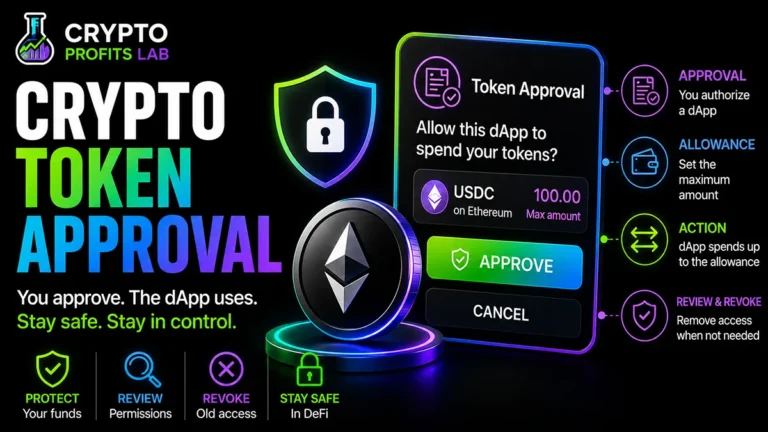
- Approving malicious smart contracts
- Downloading fake wallet apps
- Falling for fake support scams
- Failing to plan for device loss
This is why beginners should not rush. Self-custody is worth learning, but it should be learned slowly. Start with small test amounts and practice sending, receiving, and recovering a wallet before moving larger balances.
For safe storage basics, read Hot Wallet vs Cold Wallet and Best Crypto Wallet for Beginners.
Step-by-Step: How Beginners Can Choose
Choosing between a custodial wallet and self-custody does not have to be all-or-nothing.
Step 1: Decide your main goal
Are you buying your first small amount of crypto? A custodial wallet may be easier.
Are you learning long-term storage? A non-custodial wallet may be worth studying.
Are you planning to use DeFi? You will likely need self-custody.
Step 2: Understand the amount involved
Small learning balances are different from meaningful savings. The more value you hold, the more serious your security plan should be.
Step 3: Learn private keys and seed phrases
Before using self-custody, understand what happens if your seed phrase is lost or stolen.
Step 4: Start with a test wallet
Create a wallet with a small amount. Practice sending and receiving before using larger balances.
Step 5: Add stronger protection
For larger amounts, consider a hardware wallet and a safer backup plan.
Step 6: Keep exchange and wallet roles separate
You may use an exchange to buy and sell while using a personal wallet for storage. Many users use both.
When a Custodial Wallet May Make Sense
A custodial wallet may make sense when a beginner is still learning. It can be helpful for buying crypto with a bank account, making simple trades, or holding small amounts during the early learning phase.
It may also make sense when someone values account recovery and customer support more than direct control. For example, a beginner may feel more comfortable knowing they can reset a password if they lose access to a device.
A custodial wallet may also be useful for active trading because funds are already on the exchange. Moving funds back and forth between wallets can incur fees, cause delays, and lead to mistakes.
The key is not to confuse convenience with total safety. If you keep crypto on a platform, choose carefully and secure your account.
When Self-Custody May Make Sense
Self-custody may make sense when you want long-term control, plan to store meaningful amounts, or want to use decentralized apps.
A non-custodial wallet can reduce dependence on exchanges. It can also help you learn how crypto ownership really works. Instead of only seeing a platform balance, you are managing access to assets on a blockchain.
Self-custody may be especially useful for people who plan to hold Bitcoin, Ethereum, or other assets for longer periods. It can also be useful for learning DeFi, stablecoins, and on-chain transactions.
Before using DeFi, read What Is DeFi? and What Are Stablecoins?. DeFi adds extra risk because smart contract approvals and wallet connections matter.
Safety Checklist for Beginners
Use this checklist before choosing a wallet setup.
| Question | Why It Matters |
|---|---|
| Do I understand who controls the keys? | Custody determines responsibility |
| Do I need customer support? | Exchanges may offer more help |
| Am I protecting my email account? | Email can be used for account takeover |
| Did I enable 2FA? | Account security matters |
| Do I understand seed phrases? | Self-custody depends on backups |
| Have I sent a test transaction? | Small tests reduce costly mistakes |
| Am I using official apps only? | Fake apps can steal funds |
| Do I need a hardware wallet? | Larger balances need stronger storage |
A wallet choice should match your skill level. It is better to move slowly than to lose funds by skipping the basics.
Common Beginner Mistakes
The first mistake is assuming an exchange balance is the same as self-custody. It is not. When crypto is on an exchange, the platform usually manages the keys.
The second mistake is moving everything into a self-custody wallet before understanding seed phrases. This can be dangerous. If the recovery phrase is lost, funds may be lost too.
The third mistake is ignoring account security. A custodial wallet can still be compromised if your email, password, or two-factor authentication is weak.
The fourth mistake is using the wrong network. Some assets exist on multiple chains. Sending to an unsupported network can cause problems.
The fifth mistake is clicking wallet links from social media, ads, or direct messages. Scammers often create fake wallet pages and fake exchange login screens.
The safest mindset is simple: slow down, verify, test, and protect your recovery information.
Custodial Wallet Examples
Many centralized crypto exchanges use custodial wallet systems. When you log in to an exchange and see your crypto balance, the exchange usually manages the private keys for the assets held on the platform.
This does not mean all exchanges are the same. Beginners should compare reputation, security features, fees, supported coins, withdrawal options, customer service, and regulatory availability.
A custodial wallet can be useful, but do not choose a platform only because it is popular. Read reviews carefully, avoid exchanges with unknown parties, and be cautious of platforms promising unrealistic rewards.
For beginner exchange guidance, read Best Crypto Exchange for Beginners.
Non-Custodial Wallet Examples
Non-custodial wallets include many mobile wallets, browser wallets, desktop wallets, and hardware wallets. These wallets let users control their own recovery phrase or private keys.
A hot wallet may be convenient for small amounts and learning. A hardware wallet may be better for larger balances because it helps keep private keys offline.
The choice of a non-custodial wallet depends on what you need. Some wallets are better for Bitcoin. Some are better for Ethereum and DeFi. Some support many chains. Some are designed for simple storage, while others are designed for frequent app use.
Before choosing, understand the tradeoff between convenience and security.
Final Thoughts
A custodial wallet is often the easiest way for beginners to start using crypto because it feels familiar and usually includes account recovery. But it requires trust in a platform.
A non-custodial wallet gives you more control, but it also makes you responsible for private keys, seed phrases, and transaction mistakes.
The best approach for beginners is not to rush into one extreme. Use a trusted exchange carefully if you are learning. Study self-custody before moving larger amounts. Practice with small test transactions. Protect your passwords, seed phrases, and devices.
Crypto Profits Lab is built to make these decisions easier. If you are still building your wallet knowledge, your next best reads are Crypto Wallet, Crypto Private Key, and Crypto Safety Tips.
FAQ: Custodial Wallet for Beginners
What is a custodial wallet in crypto?
A custodial wallet is a crypto wallet setup where a third party, such as an exchange or platform, manages the private keys for you. You usually access the account with a login, password, and two-factor authentication. It is often easier for beginners, but it requires trust because the platform controls important wallet access behind the scenes.
Is a custodial wallet safe for beginners?
A custodial wallet can be safer than self-custody for some beginners because it may offer password recovery and customer support. However, it still has risks, including exchange hacks, account takeovers, withdrawal freezes, and platform failure. Beginners should use reputable platforms, enable two-factor authentication, protect their email, and avoid keeping more crypto on an exchange than necessary.
What is the difference between custodial and non-custodial wallets?
The difference is who controls the private keys. In a custodial wallet, a third party controls the keys and manages access. In a non-custodial wallet, you control the keys or seed phrase yourself. Custodial options are usually easier, while non-custodial wallets offer more control but require greater responsibility and more careful backup practices.
Do I own my crypto in a custodial wallet?
You may have an account balance showing crypto you bought, but the platform usually controls the private keys. This means your access depends on the exchange or provider. Ownership can also depend on the platform’s terms of service. For direct self-custody, users generally move crypto to a non-custodial wallet where they control the recovery phrase.
Can I move crypto from a custodial wallet to my own wallet?
Yes, most exchanges allow users to withdraw crypto to a personal wallet. You must choose the correct coin, wallet address, and blockchain network. Beginners should send a small test transaction first. If the address or network is wrong, the transfer may be difficult or impossible to recover. Always verify details before sending larger amounts.
Is Coinbase a custodial wallet?
A Coinbase exchange account is generally custodial because Coinbase manages private keys for assets held on the platform. Coinbase also offers wallet products, and the types of wallets may differ depending on the specific product used. Beginners should check whether a wallet is custodial or non-custodial before assuming who controls the keys or recovery phrase.
Should I use a custodial wallet or a hardware wallet?
A custodial wallet may be easier for buying, selling, and learning with small amounts. A hardware wallet may be better for long-term storage or larger balances because it helps keep private keys offline. Many users use both: an exchange for trading and a hardware wallet for storage. The best choice depends on skill level and risk tolerance.
What happens if a custodial wallet platform fails?
If a custodial platform fails, freezes withdrawals, or becomes insolvent, users may have trouble accessing funds. Recovery can depend on the platform’s terms, legal process, asset segregation, and available reserves. This is one reason many users learn self-custody for larger holdings. Beginners should avoid keeping all assets on one platform.
Can a custodial wallet be hacked?
Yes, a custodial wallet account can be hacked if attackers compromise your login, email, password, or two-factor authentication. Platforms can also face security breaches. Strong account protection is important. Use a unique password, secure your email, enable app-based or hardware-based two-factor authentication, and avoid phishing links or fake support messages.