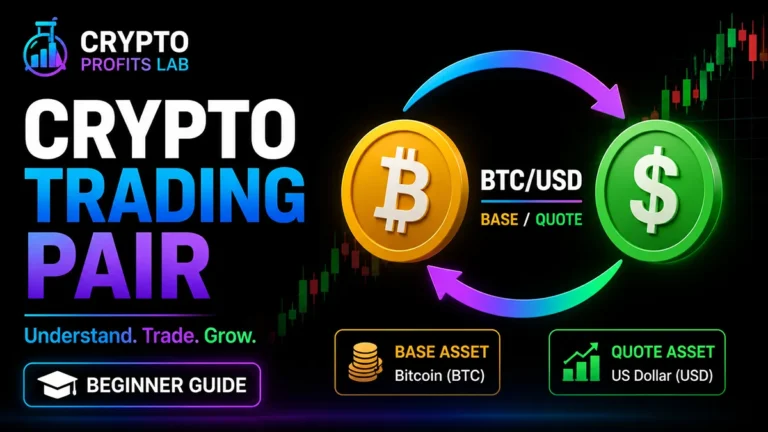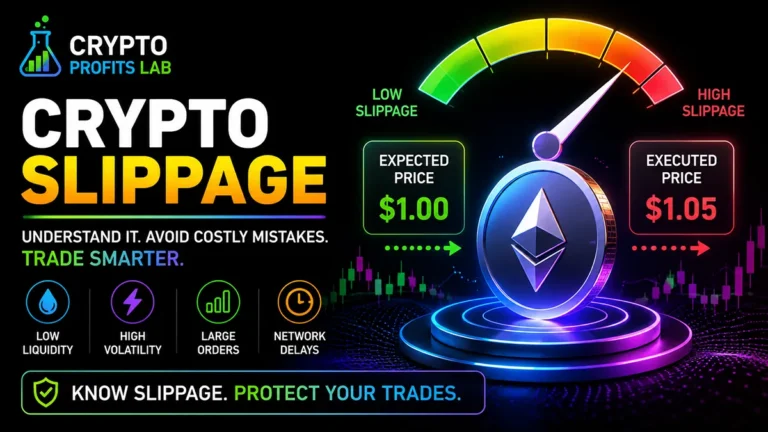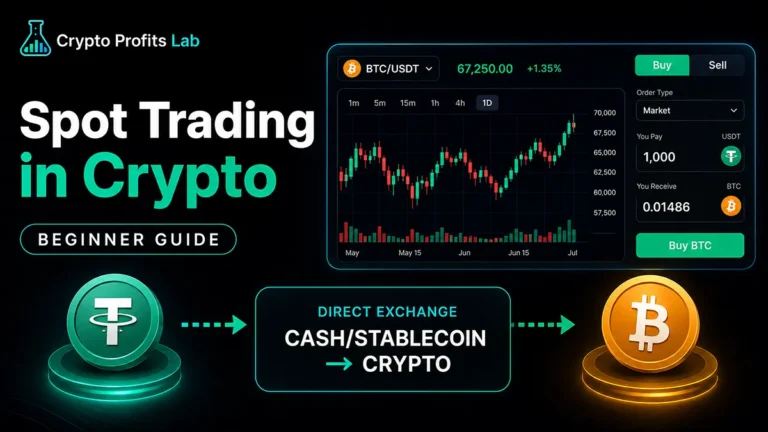
Best Crypto Exchange for Beginners: How to Choose Safely
Choosing the best crypto exchange for beginners is one of the most important decisions you will make when starting your crypto journey. A crypto exchange is the platform you use to buy, sell, and sometimes store cryptocurrency. For a beginner, the right exchange can make the process feel simple, safe, and manageable. The wrong exchange can make crypto feel confusing, expensive, or risky.
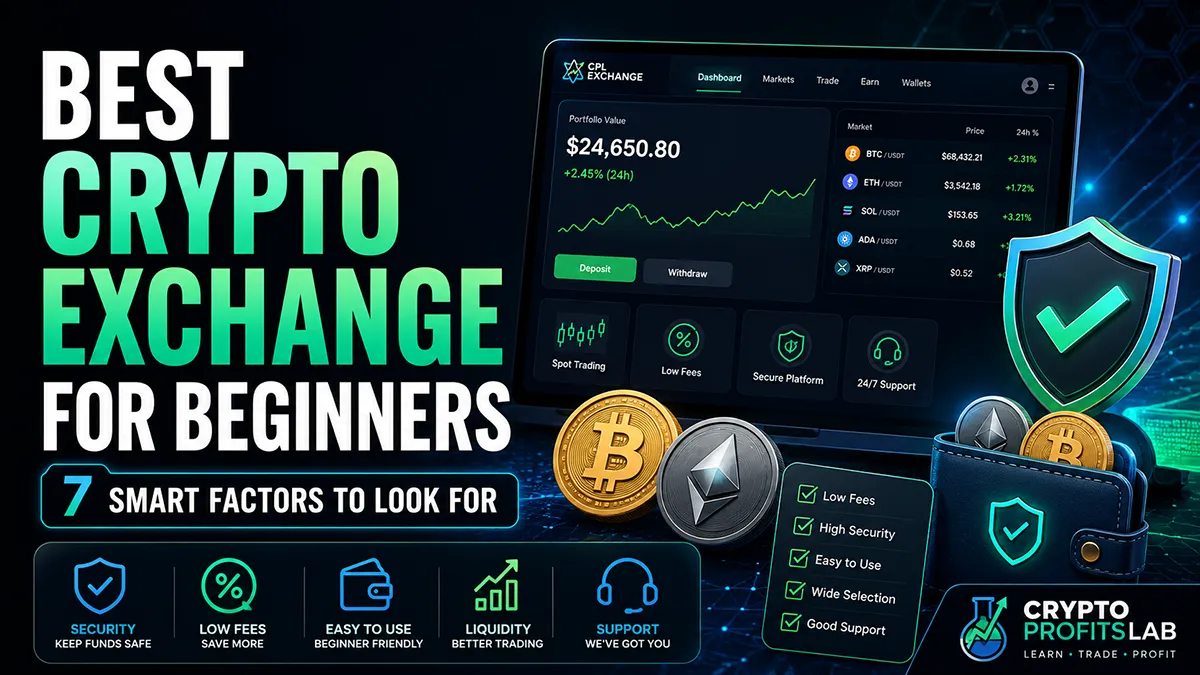
Many beginners start by asking, “Which exchange should I use?” That is a smart question, but the better question is, “Which exchange is best for my experience level, security needs, budget, and goals?” There is no single perfect platform for everyone. The best crypto exchange for beginners is usually the one that is easy to use, transparent about fees, supports strong security, offers reliable customer support, and helps you buy crypto without unnecessary confusion.
Before choosing an exchange, it helps to understand the basics of crypto itself. If you are completely new, start with our beginner guide to what is cryptocurrency and our explanation of blockchain technology. Those two guides will make this article easier to understand.
This guide will walk you through the most important features to look for, the biggest mistakes to avoid, and how to choose a beginner-friendly platform with confidence.
What Is a Crypto Exchange?
A crypto exchange is an online platform where users can buy, sell, trade, and sometimes store cryptocurrency. In simple terms, it acts as a marketplace for digital assets. You deposit money, choose a cryptocurrency, place an order, and the exchange helps process the transaction.
Some exchanges are designed for beginners. These platforms usually have a clean dashboard, simple buy buttons, debit card or bank transfer options, basic charts, and educational content. Other exchanges are built for advanced traders and may include complex charts, leverage, futures, margin trading, advanced order types, and professional trading tools.
For a new investor, simple is usually better. The best crypto exchange for beginners should help you make your first purchase without forcing you to understand every advanced trading feature on day one.
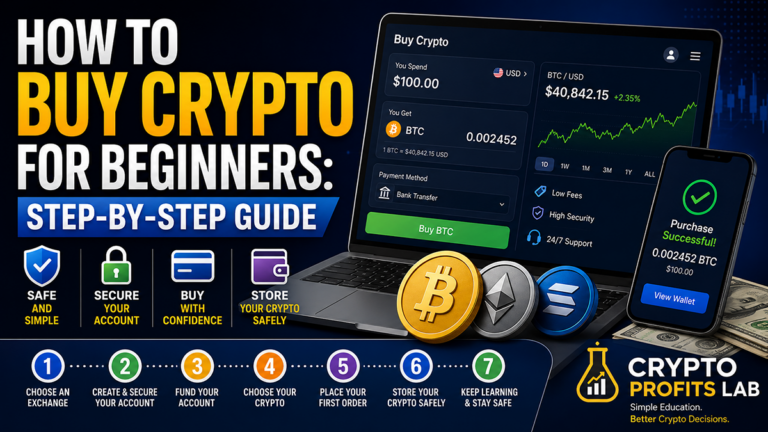
If you have not purchased crypto before, you may also want to read how to buy crypto for beginners. That guide explains the step-by-step buying process after you choose an exchange.
Why Choosing the Right Exchange Matters
Choosing the right exchange matters because crypto transactions involve real money, personal information, and digital assets that can be difficult to recover if something goes wrong. A beginner-friendly exchange can reduce confusion, but it cannot remove all risk.
A good exchange should make it clear how to deposit money, how to buy crypto, how much the transaction costs, and where your assets are stored. It should also offer important security tools like two-factor authentication, withdrawal confirmations, and account alerts.
A poor exchange may have unclear fees, weak security, limited support, confusing navigation, or risky promotional offers. Some fake platforms are designed only to steal money from beginners. That is why choosing the best crypto exchange for beginners is not just about convenience. It is also about safety.
The SEC Investor.gov page on crypto assets is a helpful authority resource for understanding crypto-related risks before investing.
Centralized vs Decentralized Crypto Exchanges
Before choosing an exchange, beginners should understand the difference between centralized and decentralized platforms.
A centralized exchange is run by a company. It usually allows users to create an account, verify identity, deposit money, and buy crypto through an app or website. Centralized exchanges are often easier for beginners because they provide customer support, account recovery options, and simple payment methods.
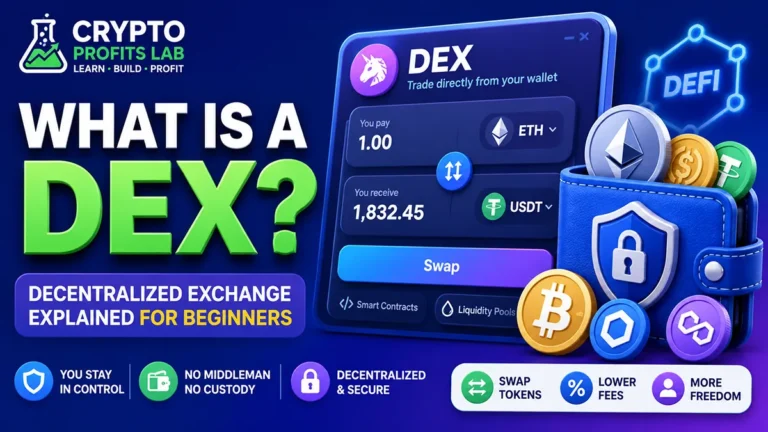
A decentralized exchange, often called a DEX, allows users to trade directly from a crypto wallet. There is usually no traditional account, and users are responsible for connecting their wallet, choosing the correct network, and approving transactions. This gives users more control but also requires more experience.
For most beginners, a centralized exchange is usually the better starting point. It is easier to understand and less technical. A decentralized exchange may be useful later, after you understand wallets, private keys, gas fees, and blockchain networks.
To learn more, read our full comparison of centralized vs decentralized exchanges.
1. Look for a Simple and Beginner-Friendly Interface
The best crypto exchange for beginners should be easy to navigate. When you open the app or website, you should be able to quickly find your balance, deposit options, buy button, sell button, account settings, security settings, and transaction history.
A beginner does not need a platform covered in advanced charts, trading pairs, order books, and technical indicators. Those tools can be useful later, but they can overwhelm new users. Your first goal is to learn how to buy crypto safely, not become a professional trader overnight.
- A beginner-friendly interface should clearly show:
- How much money you are depositing
- Which crypto asset you are buying
- The current price
- The transaction fee
- The total cost
- The amount of crypto you will receive
- The payment method being used
If an exchange makes these details hard to find, that is a warning sign. Beginners should not have to guess what they are paying or what they are buying.
A clean interface is especially important if you plan to use the exchange from your phone. Many beginners buy crypto through a mobile app, so the app should be simple, stable, and easy to understand.
2. Review Security Features Before Depositing Money
Security should be one of your first priorities when choosing the best crypto exchange for beginners. Crypto accounts can be attractive targets for hackers, scammers, and phishing attempts. A weak password or careless login habit can put your funds at risk.
At a minimum, a beginner-friendly exchange should support two-factor authentication. This adds a second step when logging in, usually through an authenticator app or security device. Two-factor authentication is much safer than relying on a password alone.
Whenever possible, avoid SMS-based security as your only protection. Text-message codes can be vulnerable to SIM swap attacks. An authenticator app is usually a better choice for crypto accounts.
A good exchange may also offer:
- Login alerts
- Withdrawal confirmations
- Address allowlisting
- Device management
- Anti-phishing codes
- Account lock features
- Security education
Before buying crypto, turn on your security settings. Do not wait until after your account has a balance. Our guide to crypto 2FA explains this step in more detail.
You should also follow basic account safety habits. Use a strong password, avoid public Wi-Fi when logging in, bookmark the official exchange website, and never share your login details. Our crypto safety tips guide can help you build safer habits from the start.
3. Understand the Fees Before You Buy
Fees are one of the most confusing parts of choosing a crypto exchange. Some platforms advertise simple buying but charge higher fees. Others offer lower fees through advanced trading screens, but those screens may be harder for beginners to use.
The best crypto exchange for beginners should show fees clearly before you confirm a transaction. You should know how much you are spending, how much the exchange charges, and how much crypto you will receive.
- Common exchange fees include:
- Trading fees
- Debit card fees
- Bank transfer fees
- Spread costs
- Withdrawal fees
- Network fees
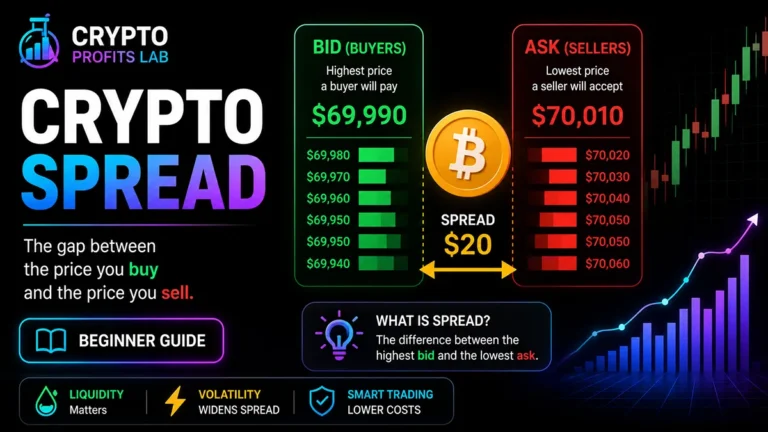
A trading fee is charged when you buy or sell crypto. A spread is the difference between the price shown and the actual market price. Some platforms make money through spreads rather than explicit trading fees, which can make costs harder to compare.
Withdrawal fees may apply when you move crypto off the exchange. Network fees may also apply when crypto is transferred on a blockchain. These network fees are not always controlled by the exchange.
For example, Ethereum transactions use gas fees. If you want to understand this concept better, read our guide to crypto gas fees.
Beginners should avoid making frequent small trades without understanding the fees involved. A few dollars in fees may not seem like much, but costs can add up over time.
4. Check Supported Coins and Networks
A beginner does not need access to every crypto asset in the market. In fact, too many choices can make the process more confusing. The best crypto exchange for beginners should support major, well-known cryptocurrencies and make it easy to research them.
Many beginners start by learning about Bitcoin and Ethereum because they have long histories, large communities, and broad educational coverage. You can read our beginner guides on what is Bitcoin and what is Ethereum before making a decision.
When reviewing supported coins, look beyond the number of assets listed. Ask better questions:
- Does the exchange support the crypto you actually want to buy?
- Does it show clear information about each asset?
- Does it warn users about risky or low-liquidity tokens?
- Does it support the correct networks for deposits and withdrawals?
- Does it make transfers easy to understand?
Network support matters because some assets can exist on multiple blockchains. Sending crypto on the wrong network can cause serious problems. Beginners should be very cautious when withdrawing crypto to a wallet.
It is better to start with a few assets you understand than to buy many coins you cannot explain. Our guide to market cap crypto can help you compare the size and risk profile of different crypto assets.
5. Compare Deposit and Withdrawal Options
The best crypto exchange for beginners should make it easy to deposit money and withdraw funds. Common funding options include bank transfers, debit cards, wire transfers, and payment services. Each method may have different fees, limits, and processing times.
Bank transfers are often cheaper but slower. Debit cards may be faster but usually cost more. Wire transfers may be useful for larger amounts but can involve extra steps and bank fees.
Before choosing an exchange, check which funding methods are available in your location. Not every exchange supports every bank, state, country, or payment method. Availability can vary by region.
Withdrawal options are just as important. A good beginner-friendly exchange should explain how to withdraw cash back to your bank and how to transfer crypto to a wallet if you decide to use self-custody.
Be careful with any platform that makes deposits easy but withdrawals difficult. Beginners should be able to clearly understand how to access their money before sending funds to an exchange.
6. Review Wallet and Custody Options
When you buy crypto on an exchange, your crypto is often held inside your exchange account. This is convenient, but it means the exchange controls the private keys. In crypto, private keys are what allow funds to be moved.
A personal crypto wallet gives you more control. However, it also gives you more responsibility. If you lose your recovery phrase, send crypto to the wrong address, or use the wrong network, you may lose access to your crypto.
For beginners, it may be reasonable to keep a small amount on a reputable exchange while learning. As your balance grows, it becomes more important to understand wallet options and self-custody.
Start with our guide to crypto wallet if you are new to this topic. You can also compare hot wallet vs cold wallet to understand the difference between software wallets and offline storage.
If you eventually move crypto to your own wallet, your recovery phrase becomes extremely important. Read crypto seed phrase before moving funds so you understand how wallet backups work.
7. Look for Helpful Customer Support and Education
Customer support matters more than many beginners realize. When money is involved, small problems can feel stressful. You may need help with identity verification, deposit delays, password resets, account security, or withdrawal questions.
The best crypto exchange for beginners should offer clear support options, useful help articles, and educational resources. A searchable help center can be valuable, especially if you are learning outside normal business hours.
Be cautious with support found through social media comments, direct messages, or random search results. Scammers often impersonate customer support agents. They may ask for your password, recovery phrase, or login code. Real support should never ask for your recovery phrase.
If you ever need help, go directly through the official exchange website or app. Bookmark the official website and avoid clicking links from unknown messages.
This is also why beginners should learn about common scams early. Review our guide to crypto scams to avoid before contacting support, joining crypto groups, or responding to messages online.
What Makes the Best Crypto Exchange for Beginners?
The best crypto exchange for beginners is not always the one with the most coins, the lowest advertised fee, or the flashiest app. A beginner should look for balance.
A strong beginner exchange should offer:
- A simple buying process
- Clear fees
- Strong security tools
- Reliable account access
- Easy deposits and withdrawals
- Major crypto assets
- Helpful education
- Responsive support
- Clear wallet and withdrawal instructions
- A good reputation
Beginners should avoid choosing an exchange based only on hype, influencer promotions, bonus offers, or social media recommendations. A platform may look popular online but still be a poor fit for your needs.
Your first exchange should help you learn safely. Once you understand the basics, you can compare more advanced tools later.
Red Flags to Avoid When Choosing a Crypto Exchange
Not every crypto platform is trustworthy. Some are poorly managed, and others are outright scams. Beginners should slow down if they notice warning signs.
Avoid platforms that promise guaranteed profits. Crypto is volatile, and no legitimate exchange can promise risk-free returns. Be cautious with platforms that pressure you to deposit quickly, offer unrealistic bonuses, or claim you must act immediately.
Also avoid exchanges that make fees hard to understand. If you cannot see what you are paying before confirming a transaction, that is a problem.
Other red flags include:
- No clear company information
- Poor website quality
- Fake celebrity endorsements
- No security settings
- No clear withdrawal process
- Unsolicited direct messages
- Support agents asking for private information
- Pressure to deposit more money
A common scam involves fake investment platforms that show fake profits but prevent withdrawals. The user may be asked to pay extra fees or taxes before funds can be released. Legitimate platforms do not operate this way.
If something feels suspicious, stop and research before sending money.
Should Beginners Use Advanced Trading Features?
Most beginners should avoid advanced trading features at first. Margin trading, futures, leverage, stop orders, and complex charts can be useful for experienced traders, but they can also lead to confusion and significant losses.
The goal of a beginner is not to trade aggressively. The goal is to understand the basics of crypto, learn how to buy, secure an account, and avoid major mistakes.
Simple buying is enough when you are starting. You can always learn advanced tools later if they fit your goals. Many beginners lose money because they move into advanced trading before understanding basic market risk.
Crypto can already be volatile without adding leverage. Our guide to crypto volatility explains why price swings can be difficult for new investors.
How Much Should You Deposit on Your First Exchange?
Your first deposit should be small. It should be an amount you can afford to lose without stress. The first purchase is mainly about learning how the exchange works.
- A small deposit lets you test the process:
- Create the account
- Turn on security
- Deposit funds
- Buy a small amount of crypto
- Review fees
- Watch your balance change
- Learn how withdrawals work
Once you understand the process, you can decide whether crypto deserves a larger role in your financial plan.
Some beginners use a strategy called dollar-cost averaging. This means buying a fixed amount at regular intervals instead of trying to time the market. Dollar-cost averaging does not guarantee profit, but it can reduce emotional decision-making. Learn more in our guide to dollar cost averaging crypto.
Should You Use More Than One Crypto Exchange?
Beginners usually do not need multiple exchanges right away. Using too many platforms can make tracking fees, passwords, tax records, and security settings harder.
It is usually better to start with one reputable beginner-friendly exchange. Learn how it works. Understand the fees. Practice safe account habits. Then, if you outgrow the platform, you can compare other options.
More advanced users may use multiple exchanges for different coins, lower fees, or special features. Beginners should focus on simplicity and safety first.
Crypto Exchange vs Crypto Wallet
A crypto exchange and a crypto wallet are not the same thing. An exchange helps you buy and sell crypto. A wallet helps you store and control crypto.
When your crypto is on an exchange, the platform may manage custody for you. This can be convenient, but it means you are trusting the platform. When your crypto is in your personal wallet, you control the wallet access, but you are responsible for protecting it.
Beginners should learn both concepts. You do not need to master wallets before making a small first purchase, but you should understand wallet basics before moving larger amounts.
For a simple explanation, read crypto wallet and then review best crypto wallet for beginners.
Beginner Checklist for Choosing a Crypto Exchange
Use this checklist before choosing the best crypto exchange for beginners:
Is the platform easy to use?
Are fees clearly shown before buying?
Does it support two-factor authentication?
Can you deposit and withdraw using your preferred method?
Does it support the coins you want to buy?
Does it provide useful education and support?
Can you withdraw crypto to a wallet if needed?
Does it explain network fees and transfer risks?
Does it have a good reputation?
Does it avoid unrealistic promises?
If you cannot answer these questions clearly, keep researching before depositing money.
Final Thoughts: Choose Safety Before Speed
Choosing the best crypto exchange for beginners is not about finding the most exciting platform. It is about finding a safe, simple, transparent place to learn the basics and make your first purchase with confidence.
A beginner-friendly exchange should make the process easy to understand. It should show fees clearly, offer strong security settings, support common payment methods, and help you avoid unnecessary confusion.
Start small. Turn on two-factor authentication. Review every fee before confirming a transaction. Avoid hype, fake support accounts, and guaranteed-profit claims. Learn wallet basics before moving funds off an exchange.
The best crypto exchange for beginners is the one that helps you learn safely, buy carefully, and build better habits over time. Once you understand the basics, you can explore more advanced tools, wallets, coins, and strategies with greater confidence.
FAQ: Best Crypto Exchange for Beginners
What is the best crypto exchange for beginners?
The best crypto exchange for beginners is usually a platform that is easy to use, secure, transparent about fees, and simple to fund with a bank account or debit card. Beginners should look for two-factor authentication, clear transaction previews, helpful support, and access to major cryptocurrencies. The right choice depends on your location, payment method, goals, and comfort level.
What should beginners look for in a crypto exchange?
Beginners should look for a simple interface, strong security tools, clear fees, reliable deposits and withdrawals, supported major coins, and helpful customer support. A good exchange should show the total cost before each purchase. It should also explain withdrawal options, network fees, and account protection steps in a way that is easy to understand.
Is a centralized exchange better for beginners?
A centralized exchange is often better for beginners because it usually offers account recovery, customer support, simple payment methods, and an easier buying process. Decentralized exchanges give users more control but require knowledge of wallets, private keys, gas fees, and blockchain networks. Most beginners should learn the basics on a reputable centralized exchange first.
Are crypto exchanges safe for beginners?
Crypto exchanges can be safe for beginners when users choose reputable platforms and follow strong security habits. However, risks still exist. Accounts can be targeted by phishing, weak passwords, fake support scams, and malware. Beginners should use two-factor authentication, bookmark official websites, avoid unknown links, and never share passwords, login codes, or wallet recovery phrases.
How much money should I deposit on my first crypto exchange?
A beginner should start with a small amount they can afford to lose without stress. The first deposit should be used to learn how the exchange works, how fees appear, and how buying crypto feels. Starting small reduces emotional pressure and helps beginners avoid costly mistakes while they build confidence and experience.
Do I need a wallet if I use a crypto exchange?
You do not always need a personal wallet for a small beginner purchase because many exchanges can hold crypto in your account. However, a wallet becomes more important if you plan to hold larger amounts or want more control. Beginners should learn wallet basics before transferring funds, because recovery phrase mistakes and wrong-network transfers can be permanent.
What fees do crypto exchanges charge beginners?
Crypto exchanges may charge trading fees, debit card fees, deposit fees, withdrawal fees, spread costs, and blockchain network fees. The exact fees depend on the platform, payment method, asset, and transaction type. Beginners should always review the transaction preview before buying so they understand the total cost and the amount of crypto they will receive.
Should beginners use advanced trading tools?
Most beginners should avoid advanced trading tools at first. Features like margin, futures, leverage, and complex order types can increase risk and confusion. A beginner should focus on learning how to buy, secure, and store crypto safely. Advanced trading tools can be studied later after the basics are fully understood.
How do I avoid fake crypto exchanges?
To avoid fake crypto exchanges, use official websites, avoid links from direct messages, research the platform carefully, and watch for unrealistic profit claims. Be cautious if a platform pressures you to deposit quickly or blocks withdrawals while asking for extra fees. Real exchanges do not need your password, recovery phrase, or private wallet keys.