What Is a Crypto Wallet? A Beginner’s Guide
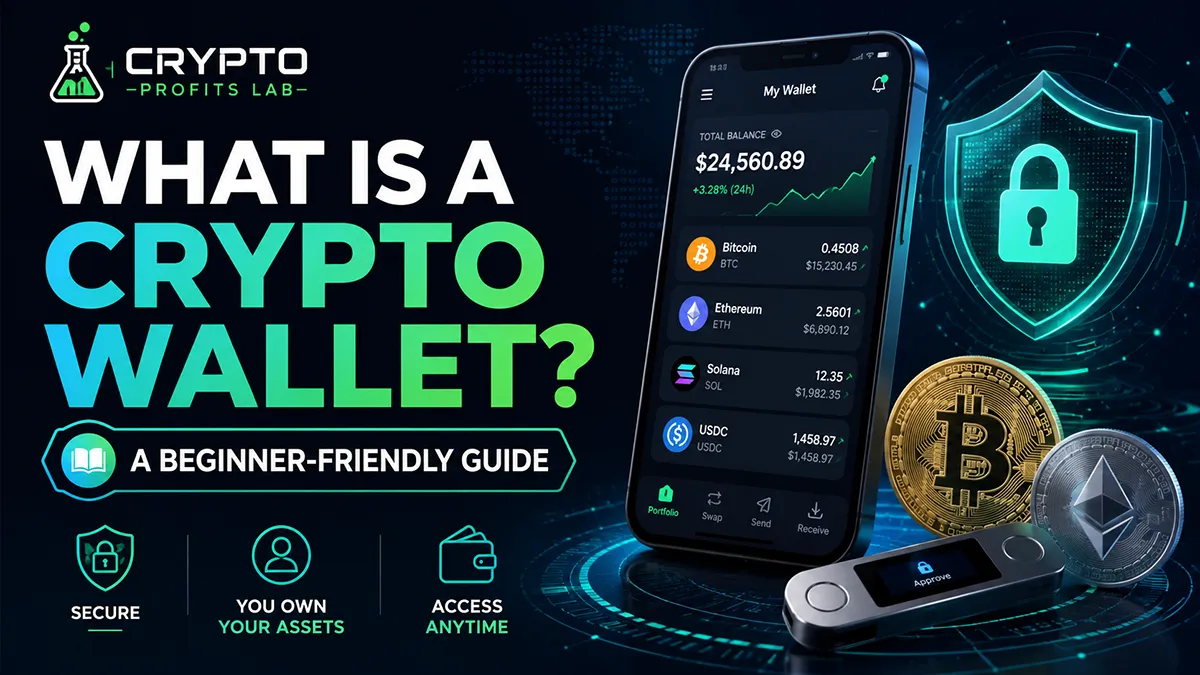
A crypto wallet is one of the first tools every beginner should understand before buying, storing, or sending cryptocurrency. It can sound confusing at first because a crypto wallet does not hold coins the same way a leather wallet holds cash. Instead, it helps you access and control crypto assets that are recorded on a blockchain.
If you are new to crypto, this is one of the most important safety topics you can learn. A wallet mistake can lead to lost funds, stolen assets, or irreversible transactions. The good news is that the basic idea is not hard once it is explained in simple terms.
A crypto wallet is a tool that manages the private information needed to use cryptocurrency. It can create wallet addresses, sign transactions, and help you send, receive, and store digital assets. Some wallets are controlled by third-party platforms. Others give you direct control.
This guide explains what a crypto wallet is, how it works, the difference between wallet types, and how beginners can protect themselves before moving real money.
This article is for education only. It is not financial, investment, tax, or legal advice.
Quick Answer: What Is a Crypto Wallet?
A crypto wallet is a tool that lets you access and manage cryptocurrency on a blockchain. It helps you receive crypto, send crypto, and prove that you control the assets connected to a wallet address.
The easiest way to understand it is this:
A public wallet address is like an email address people can send crypto to. A private key or seed phrase is the secret information that allows you to control and move the crypto connected to that address.
A crypto wallet does not actually store coins inside the app or device. The coins exist on the blockchain. The wallet stores or manages the secret access information that proves you can control those coins.
Beginners should learn the basics of wallets before moving crypto off an exchange. Start with this guide, then read Crypto Private Key and Crypto Seed Phrase for deeper wallet security.
Key Takeaways
- A crypto wallet helps users access cryptocurrency on a blockchain.
- Crypto is not physically stored inside the wallet; it is recorded on the blockchain.
- A wallet address can be shared to receive crypto.
- A private key or seed phrase must stay secret.
- Custodial wallets are managed by a third party, such as an exchange.
- Non-custodial wallets give users direct control over their private keys.
- Hot wallets are convenient but connected to the internet.
- Cold wallets and hardware wallets can be safer for larger balances.
- Beginners should use small test transactions before moving larger amounts.
- Never share your seed phrase or private key with anyone.
Beginner Facts Table
| Wallet Term | Beginner Explanation |
|---|---|
| Crypto wallet | Tool used to access and manage crypto |
| Public address | Wallet address used to receive crypto |
| Private key | Secret information that controls access |
| Seed phrase | Backup words used to restore a wallet |
| Hot wallet | Internet-connected wallet |
| Cold wallet | Offline wallet storage method |
| Hardware wallet | Physical device for stronger wallet security |
| Custodial wallet | A third party controls the private keys |
| Non-custodial wallet | You control the private keys |
| Main risk | Losing or exposing secret wallet information |
Why Crypto Wallets Matter
A crypto wallet matters because cryptocurrency ownership works differently from a bank account.
With a bank, you usually log in with a username and password. If you forget your password, the bank may help reset it after verifying your identity. If fraud occurs, there may be a process to report it.
Crypto can be different. When you use a self-custody wallet, you are responsible for protecting access. If you lose your recovery phrase, there may be no customer support team that can restore your funds. If someone steals your seed phrase, they may be able to move your crypto.
This is why wallet education comes before serious crypto storage. Buying crypto is easy compared with protecting it correctly.
A crypto wallet is not only a convenience tool. It is part of your security system. It affects how you buy, store, send, receive, stake, trade, or use decentralized apps.
If you are brand new to crypto, read What Is Cryptocurrency? and Blockchain Technology before moving deeper into wallet storage.
How a Crypto Wallet Works
A crypto wallet works by using cryptographic keys. Cryptography is the practice of protecting information using secure codes. In crypto, keys help prove who can control funds.
Most beginners need to understand two main pieces: the public address and the private key.
The public address is what you share when someone needs to send you crypto. It is designed to receive funds. Sharing a public address is normal.
The private key is secret. It allows the wallet to sign transactions. A signed transaction proves that the wallet owner approved the action.
Here is a simple transaction process:
- You open your wallet.
- You enter the recipient’s wallet address.
- You choose how much crypto to send.
- The wallet shows the transaction details.
- You approve the transaction.
- The wallet signs the transaction.
- The transaction is sent to the blockchain.
- The network checks and confirms it.
- The recipient’s balance updates after confirmation.
The wallet is not moving physical coins. It is signing a blockchain transaction that updates the record of ownership.
Crypto Wallet vs Bank Account
A crypto wallet may feel similar to an online bank account because both can show balances and allow transfers. But they are very different.
A bank account is controlled by a financial institution. The bank keeps internal records and may offer account recovery, fraud support, and legal protections.
A self-custody crypto wallet gives the user direct control. That can be powerful, but it also means the user must protect the recovery phrase and avoid mistakes.
| Feature | Bank Account | Crypto Wallet |
|---|---|---|
| Controlled by | Bank or financial institution | User or wallet provider, depending on wallet type |
| Recovery | Password reset may be available | Seed phrase may be required |
| Transactions | May be reversible in some cases | Usually difficult or impossible to reverse |
| Access | Login credentials | Private keys, seed phrase, or platform login |
| Support | Customer service usually available | Limited or none for self-custody |
| Main risk | Account fraud and bank rules | Wallet loss, scams, wrong transfers |
The key beginner lesson is that a crypto wallet grants access but also requires responsibility.
Custodial Wallet vs Non-Custodial Wallet
One of the most important wallet decisions is custody. Custody means who controls the private keys.
A custodial wallet is managed by a third party, usually a crypto exchange or platform. You log in with an account, password, and two-factor authentication. The platform controls the private keys behind the scenes.
A non-custodial wallet gives you control of the private keys or seed phrase. This is also called self-custody.
Here is the simple difference:
| Wallet Type | Who Controls the Keys? | Best For |
|---|---|---|
| Custodial wallet | Exchange or platform | Beginners buying and selling small amounts |
| Non-custodial wallet | User | Self-custody, storage, DeFi, direct ownership |
A custodial wallet can be easier for beginners because account recovery may be available. But you are trusting the platform.
A non-custodial wallet gives more control, but you are responsible for security.
To go deeper, read Custodial Wallet vs Non-Custodial Wallet.
Hot Wallet vs Cold Wallet
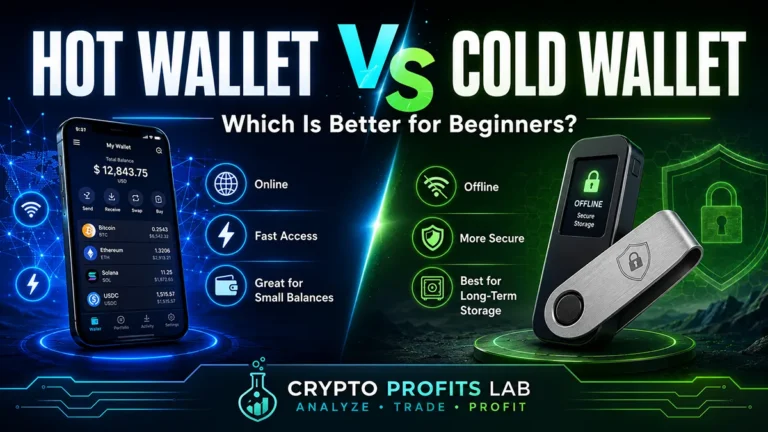
A hot wallet is connected to the internet. Examples include mobile wallets, browser wallets, and desktop wallets. A hot wallet is convenient for small transfers, learning, and using crypto apps.
A cold wallet keeps private keys offline. This can reduce exposure to online attacks. A hardware wallet is a common cold storage tool.
| Wallet Type | Internet Connection | Beginner Use |
|---|---|---|
| Hot wallet | Connected to internet | Small amounts, learning, app use |
| Cold wallet | Offline storage | Larger balances, long-term storage |
| Hardware wallet | Physical cold storage device | Stronger protection for serious holdings |
A hot wallet is like cash in your pocket. It is useful, but you probably would not keep all your savings there.
A cold wallet is more like a safe. It may be less convenient, but it can be better for larger amounts.
Read Hot Wallet vs Cold Wallet and Hardware Wallet before deciding how to store meaningful balances.
What Is a Seed Phrase?
A seed phrase is a group of words used to restore a wallet. It may also be called a recovery phrase or a secret recovery phrase.
For many beginners, the seed phrase is the most important wallet backup. If your phone breaks, your laptop is lost, or your wallet app is deleted, your seed phrase may help you regain access.
But the seed phrase is also dangerous if exposed. Anyone who gets it may be able to restore your wallet and move your funds.
Do not:
- Screenshot your seed phrase
- Save it in cloud notes
- Email it to yourself
- Text it to anyone
- Enter it into random websites
- Share it with support agents
- Store it where others can easily find it
A real wallet support team should not need your seed phrase.
Read Crypto Seed Phrase for a full beginner’s guide.
What Is a Private Key?
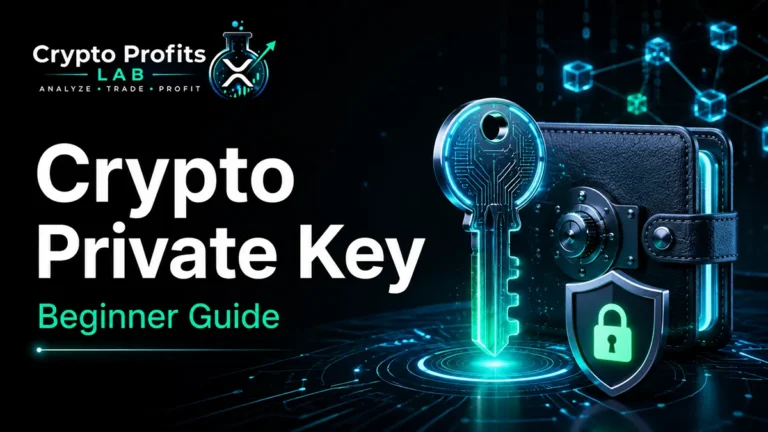
A private key is secret information that controls crypto connected to a wallet address. The wallet uses it to sign transactions.
Most modern wallets hide the private key from beginners and instead provide a seed phrase. That seed phrase can be used to recreate the private keys in the wallet.
The private key should never be shared. If someone has your private key, they may control your crypto.
A public address is safe to share. A private key is not.
Think of it like this:
- Public address = where people can send crypto
- Private key = secret access that allows crypto to be moved
- Seed phrase = backup that can restore wallet access
For a deeper explanation, read Crypto Private Key.
Step-by-Step: How Beginners Should Set Up a Wallet
Beginners should move slowly when setting up a crypto wallet. The goal is to learn without risking too much.
Step 1: Decide what the wallet is for
Are you buying crypto for the first time? An exchange account may be easier.
Are you learning self-custody? A non-custodial wallet may be useful.
Are you storing larger amounts? A hardware wallet may be worth studying.
Step 2: Choose a trusted wallet
Use official websites, app stores, or trusted sources. Avoid wallet links from direct messages, social media comments, or ads.
Step 3: Create the wallet carefully
Follow the setup instructions. Write down the seed phrase offline if the wallet provides one.
Step 4: Store the seed phrase safely
Keep your recovery phrase private. Store it somewhere protected from theft, fire, water, and accidental disposal.
Step 5: Send a small test amount
Before sending larger funds, practice with a small amount. Confirm the correct address and network.
Step 6: Learn how to receive and send
Practice receiving funds and sending a tiny amount. This helps you understand transaction fees and confirmations.
Step 7: Add stronger protection later
For larger balances, study hardware wallets, cold storage, and better backup methods.
This slow approach can prevent costly beginner mistakes.
How to Receive Crypto
Receiving crypto usually requires a public wallet address. The wallet creates this address for you.
The basic process looks like this:
- Open your wallet.
- Choose the correct crypto asset.
- Select receive.
- Copy the public address.
- Share the address with the sender.
- Confirm the network is correct.
- Wait for the transaction to arrive.
Always double-check the address. Crypto transactions usually cannot be reversed if sent to the wrong place.
Also confirm the correct blockchain network. Some assets can exist on multiple networks. For example, a stablecoin may exist on Ethereum, Solana, Polygon, or another chain. If the sender uses the wrong network, recovery may be difficult.
For newer users, it is smart to send a small test transaction first.
How to Send Crypto
Sending crypto requires extra caution. A crypto wallet will usually ask for a recipient address, amount, network fee, and confirmation.
Before sending, check:
- Is the address correct?
- Is the network correct?
- Is the amount correct?
- Are fees acceptable?
- Is this a trusted recipient?
- Are you sending a test amount first?
- Do you understand that the transaction may be final?
Never rush a transaction. Scammers often create pressure because rushed people make mistakes.
If you are sending funds from an exchange, make sure the exchange supports the withdrawal network and the receiving wallet supports the same network.
To learn more about buying and moving crypto safely, read How to Buy Crypto for Beginners and Best Crypto Exchange for Beginners.
Wallets and Gas Fees
Some blockchain transactions require fees. On Ethereum, these fees are often called gas fees. A crypto wallet usually shows the fee before you confirm a transaction.
Fees can change depending on network activity. If many people are using the network, fees may rise. Some transactions may fail and still cost a fee.
Beginners should review fees before sending, swapping, minting NFTs, or using decentralized apps.
Different blockchains have different fee systems. Bitcoin fees are different from Ethereum gas fees. Solana, Polygon, Avalanche, and other networks may have their own fee models.
Before using apps, read What Are Crypto Gas Fees?.
Wallets and DeFi Apps
A crypto wallet is often used to connect with DeFi apps. DeFi means decentralized finance. These apps can include token swaps, lending platforms, liquidity pools, and yield tools.
When you connect a wallet to an app, you may be asked to sign messages or approve transactions. Some approvals give smart contracts permission to interact with your tokens.
This can be normal on legitimate apps, but dangerous on fake websites.
Beginners should use a separate wallet for testing. Do not connect your main storage wallet to unknown apps.
Helpful guides include:
The rule is simple: never approve something you do not understand.
How to Protect a Crypto Wallet
Protecting a crypto wallet starts with protecting the seed phrase, private key, device, and websites you use.
Bitcoin.org’s wallet security guide explains the importance of backups, encryption, and offline storage for protecting access to crypto.
Basic wallet safety habits include:
- Write down your seed phrase offline.
- Never share your recovery phrase.
- Use official wallet websites only.
- Avoid fake support messages.
- Use a hardware wallet for larger balances.
- Turn on two-factor authentication for Exchange accounts.
- Secure your email account.
- Use strong, unique passwords.
- Send small test transactions first.
- Avoid connecting wallets to unknown apps.
- Keep software and devices updated.
- Be careful with browser extensions.
For more beginner safety help, read Crypto Safety Tips and Crypto Scams to Avoid.
Common Beginner Mistakes
The first mistake is thinking a wallet stores coins like a physical wallet. The assets are on the blockchain. The wallet controls access.
The second mistake is taking a screenshot of a seed phrase. Screenshots can sync to cloud storage, exposing your backup.
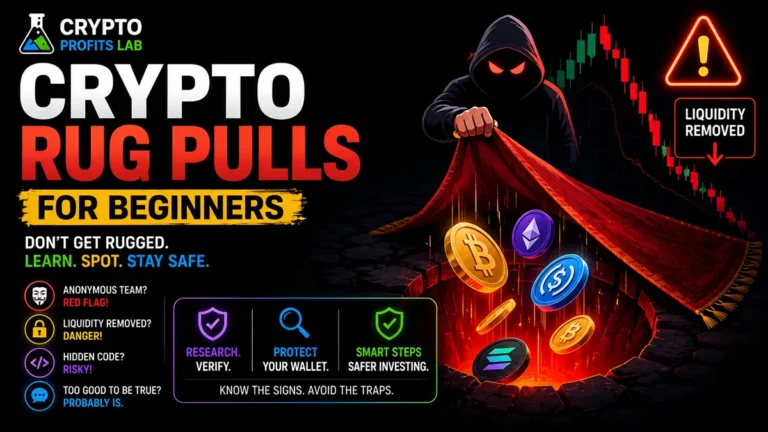
The third mistake is trusting fake support. Scammers may impersonate wallet support and ask for your seed phrase.
The fourth mistake is sending funds on the wrong network. Always match the sending and receiving networks.
The fifth mistake is skipping test transactions. A small test can prevent a large loss.
The sixth mistake is keeping everything on one hot wallet. A better approach may use different wallets for different purposes.
The seventh mistake is ignoring taxes and records. Wallet transfers, sales, swaps, staking rewards, and cash-outs may need tracking.
Read Crypto Taxes for Beginners and How to Cash Out Crypto before you need them.
Safety and Risk: What Beginners Should Know
A crypto wallet gives users more control, but more control also means more responsibility.
Risks include:
- Lost seed phrases
- Stolen private keys
- Fake wallet apps
- Phishing websites
- Malicious browser extensions
- Bad smart contract approvals
- Wrong-address transfers
- Wrong-network transfers
- Device theft
- Malware
- Exchange account takeovers
A wallet app can look clean and still be fake. A website can copy a real brand. A direct message can pretend to be support. A token claim can be a trap.
Beginners should slow down and verify everything. Crypto rewards careful habits.
The safest mindset is simple: protect your recovery phrase, use trusted sources, test with small amounts, and avoid pressure.
Should Beginners Keep Crypto on an Exchange?
Many beginners start with a centralized exchange because it is easier. An exchange can help you buy, sell, and sometimes recover access to your account.
But keeping crypto on an exchange means trusting the platform. If the exchange freezes withdrawals, experiences security issues, or restricts your account, your access may be affected.
A personal wallet gives more control, but it also requires better security habits.
There is no one perfect answer. Many users use both:
| Use Case | Possible Option |
|---|---|
| Buying and selling | Reputable exchange |
| Small learning balance | Hot wallet |
| Larger long-term storage | Hardware wallet |
| Testing new apps | Separate activity wallet |
| Staking or DeFi | Wallet designed for that network |
Beginners should learn gradually. Do not move large amounts until you understand the wallet setup.
Wallets and Your Crypto Portfolio
Your wallet setup is part of your overall crypto plan. A crypto portfolio is not only about which coins you own. It also includes where and how you store them.
For example, you may keep a small amount on an exchange for buying and selling, a hot wallet for learning, and a hardware wallet for larger long-term holdings.
Different assets may also require different wallet support. Bitcoin, Ethereum, Solana, XRP, stablecoins, and NFTs may use different addresses, networks, or wallet features.
Before building a plan, read Crypto Portfolio for Beginners, What Are Stablecoins?, and What Are Altcoins?.
A good portfolio plan should include a wallet safety plan.
Beginner Wallet Checklist
Use this checklist before storing crypto:
- I understand the difference between a wallet and an exchange.
- I know whether my wallet is custodial or non-custodial.
- I know what a public address is.
- I know why private keys must stay secret.
- I wrote down my seed phrase offline.
- I did not take a screenshot of my seed phrase.
- I can receive a small test transaction.
- I can send a small test transaction.
- I know how to check the network.
- I understand transaction fees.
- I use strong passwords and two-factor authentication.
- I know how to avoid fake support messages.
- I understand when a hardware wallet may be useful.
- I keep records for taxes and tracking.
This checklist will not remove every risk, but it can help beginners avoid common wallet mistakes.
Final Thoughts
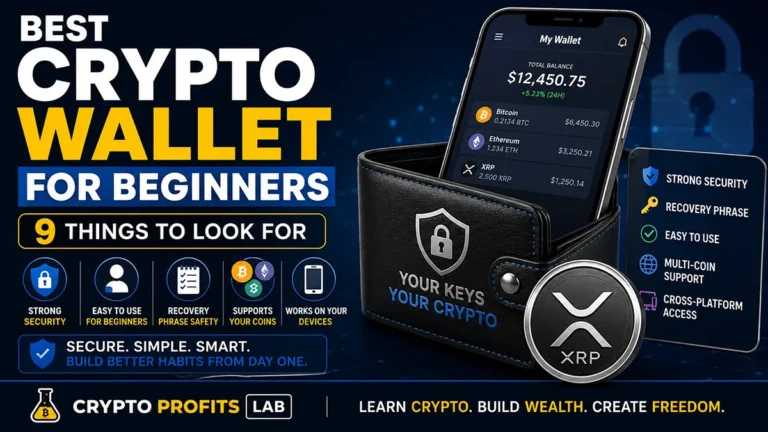
A crypto wallet is one of the most important tools in cryptocurrency. It helps you access, send, receive, and manage crypto assets on a blockchain.
The most important lesson for beginners is that a wallet controls access. The crypto itself is recorded on the blockchain. Your wallet uses private keys, seed phrases, and public addresses to manage that access.
Start slowly. Learn the difference between custodial and non-custodial wallets. Understand hot wallets, cold wallets, private keys, and seed phrases. Use small test transactions. Avoid fake links. Never share your recovery phrase.
Crypto Profits Lab is built to make crypto easier for beginners by explaining one concept at a time. If you want to keep learning, your next best reads are Crypto Seed Phrase, Crypto Private Key, and Hardware Wallet.
FAQ: Crypto Wallet for Beginners
What is a crypto wallet in simple terms?
A crypto wallet is a tool that helps you access and manage cryptocurrency on a blockchain. It lets you receive, send, and control crypto using public addresses and private keys. The wallet does not physically store coins. Instead, the blockchain records ownership, and the wallet manages the secret information needed to authorize transactions.
Do I need a crypto wallet to buy crypto?
You can buy crypto on many centralized exchanges without setting up a separate self-custody wallet right away. The exchange may hold the crypto for you. However, if you want direct control, long-term storage, or access to certain blockchain apps, you will likely need a personal crypto wallet. Beginners should learn wallet safety before moving large amounts.
Is a crypto wallet safe?
A crypto wallet can be safe if used correctly, but safety depends on wallet type, user habits, device security, and backup protection. A hardware wallet can reduce some online risks, while a hot wallet is more convenient but more exposed. The biggest risks for beginners are lost seed phrases, fake websites, phishing links, wrong-network transfers, and sharing private information.
What is the difference between a wallet and an exchange?
An exchange is a platform where users buy, sell, and trade crypto. A wallet is a tool for managing access to crypto on a blockchain. Many exchanges provide custodial wallet services, meaning they manage users’ private keys. A self-custody wallet gives users direct control, but it also requires careful protection of the seed phrase and private key.
What happens if I lose my seed phrase?
If you lose your seed phrase and your wallet device or app, you may permanently lose access to your crypto. A seed phrase is often the backup used to restore a wallet. There is usually no central support team that can recover it for you. This is why beginners should store recovery phrases offline and securely.
Can someone steal crypto from my wallet?
Yes, crypto can be stolen if someone gets your private key, seed phrase, wallet password, exchange login, or approval permissions. Scammers may use fake websites, fake support messages, malicious browser extensions, or wallet-draining smart contracts. Never share secret wallet information. Use trusted apps, strong security, and small test transactions while learning.
What is the safest crypto wallet for beginners?
There is no single safest wallet for every beginner. A reputable exchange may be easier for buying small amounts, while a hardware wallet may be safer for larger long-term storage. The safest choice depends on your skill level and needs. Beginners should focus on trusted sources, seed phrase protection, test transactions, and avoiding fake wallet apps.
Should I use a hot wallet or a cold wallet?
A hot wallet is convenient for small amounts, learning, and using apps because it is connected to the internet. A cold wallet is better for stronger storage because private keys are kept offline. Many users use both. A beginner might use a hot wallet for small activity and a hardware wallet for larger long-term holdings.
Can I have more than one crypto wallet?
Yes, many people use multiple wallets. One wallet may be for long-term storage, another for small daily activity, and another for testing new apps or airdrops. This can reduce risk because one mistake does not expose everything. Beginners should still keep backups organized and understand which assets and networks each wallet supports.
Should I move crypto off an exchange?
Moving crypto off an exchange gives you more control, but it also gives you more responsibility. Beginners should not rush. First, learn seed phrases, private keys, wallet addresses, networks, and test transactions. If you are storing larger amounts for the long term, learning self-custody may be useful. If you are still learning, start with small transfers.