What Is a Crypto Wallet Address? Beginner Guide
Quick Answer
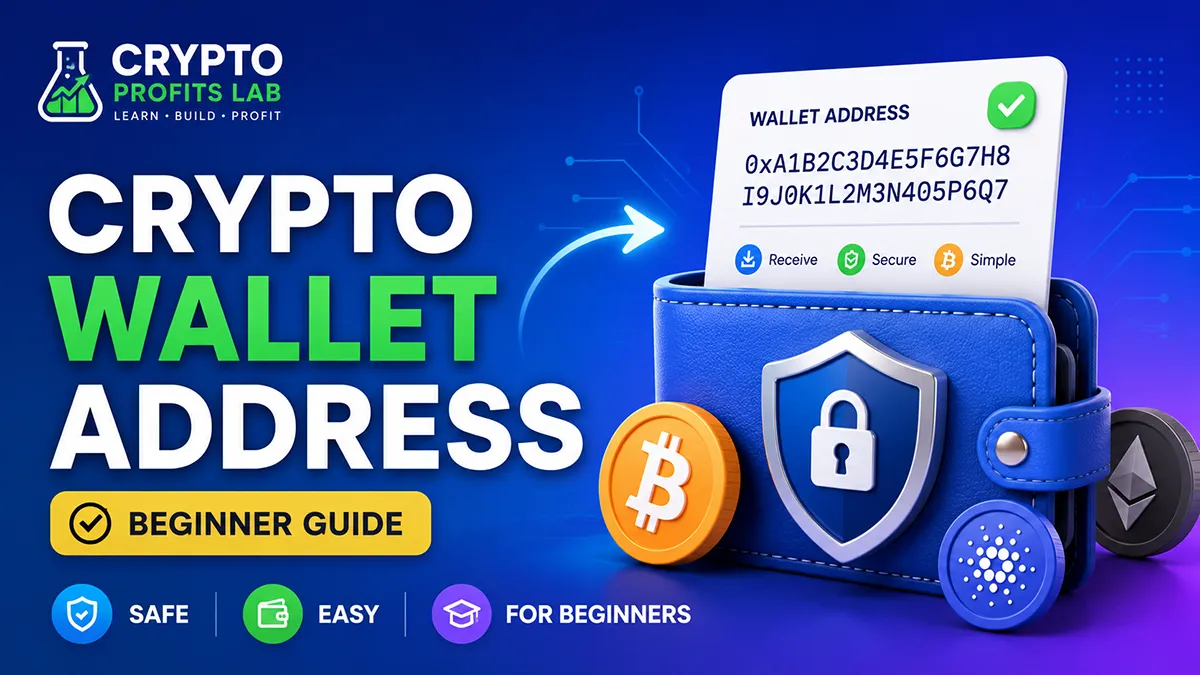
A crypto wallet address is the public receiving address you use to send or receive cryptocurrency. It usually looks like a long mix of letters and numbers. You can think of it like an email address for crypto, but with one major difference: if you send crypto to the wrong address or wrong network, the transaction usually cannot be reversed.
A crypto wallet address does not give someone access to your funds by itself. It is generally safe to share when you want to receive crypto. What you must never share is your private key or seed phrase. Your address helps people send you crypto. Your private key or seed phrase controls access to the crypto connected to your wallet.
The safest beginner habit is simple: copy the address from your wallet, double-check the network, verify the first and last characters, and send a small test transaction before sending a large amount.
Key Takeaways
- A crypto wallet address is used to receive cryptocurrency.
- Each blockchain can have its own address format.
- Sending crypto to the wrong address or wrong network can lead to permanent loss.
- A wallet address is different from a private key and seed phrase.
- You can share a receiving address, but you should never share your private key or seed phrase.
- Beginners should confirm the asset, network, memo, or tag, and full address before sending crypto.
Beginner Facts About Crypto Wallet Addresses
| Topic | Simple Meaning | Why It Matters |
|---|---|---|
| Wallet address | The public address used to receive crypto | You need it when someone sends crypto to you |
| Private key | The secret key that controls wallet access | Never share it with anyone |
| Seed phrase | Backup words that can restore your wallet | Anyone with it may control your wallet |
| Network | The blockchain the crypto moves on | Using the wrong network can cause loss |
| QR code | A scannable version of your address | Helpful, but still verify it before using |
| Memo or tag | Extra ID required by some coins or exchanges | Missing it can delay or lose a deposit |
What Is a Crypto Wallet Address?
A crypto wallet address is a public string of characters used to receive digital assets on a blockchain. It may look confusing at first because it is not a normal username, bank account number, or email address. It is usually a long line of letters and numbers created by wallet software.
The easiest way to understand it is to imagine a mailbox. People can put mail into your mailbox if they know the address, but they cannot open your door just because they know where the mailbox is. In crypto, people can send funds to your public address, but they cannot spend your funds unless they have access to your private key, seed phrase, or wallet account.
This is where beginners often get confused. A wallet address is not the same thing as a wallet app. It is also not the same thing as your password. Your wallet app, exchange account, or hardware wallet may show more than one receiving address. Each one is simply a destination for crypto on a specific blockchain.
Before learning how to use one, it helps to understand the basics of a crypto wallet. A wallet does not literally hold coins inside the app. Instead, your crypto exists on a blockchain, and your wallet helps you manage the keys that prove you can control it.
Why Crypto Wallet Addresses Matter
A crypto wallet address matters because crypto transactions do not work like credit card payments. With a card payment, a bank or payment company may be able to reverse a mistake. With crypto, transactions are usually final once confirmed on the blockchain.
That means accuracy matters more. If you paste the wrong address, use the wrong network, or forget a required memo, there may not be a support team that can easily fix it. This is one reason Crypto Profits Lab teaches crypto in a slow, beginner-friendly way instead of rushing people into advanced tools.
A crypto wallet address also connects several beginner topics. It touches wallets, exchanges, private keys, seed phrases, gas fees, and security. Once you understand addresses, sending and receiving crypto becomes much less intimidating.
For example, if you buy Bitcoin on an exchange, you may later want to move it to your own wallet. That process starts with finding the correct receiving address. If you are still learning how buying works, read How to Buy Crypto for Beginners before moving funds around.
How a Crypto Wallet Address Works
A crypto wallet address is generated by wallet software using cryptographic rules. The technical process can be complex, but beginners do not need to memorize the math. What matters is understanding the role the address plays.
When someone sends crypto to your address, the transaction is broadcast to the blockchain network. The network checks whether the sender has enough funds and whether the transaction follows the rules. Once confirmed, the blockchain records the movement of funds.
For a simple outside reference, Coinbase’s guide to what a wallet address is explains that wallet addresses are unique identifiers used for sending and receiving cryptocurrency.
Here is the beginner version:
- Your wallet can create or display a receiving address.
- You share that address with the sender.
- The sender enters the address, asset, network, and amount.
- The transaction is submitted to the blockchain.
- The network confirms the transaction.
- Your wallet balance updates after confirmation.
This process may take seconds or minutes depending on the blockchain, network traffic, and fees. Some chains are designed for fast transactions, while others may be slower during busy periods. If fees are involved, they are often called gas fees. You can learn more in What Are Crypto Gas Fees?.
Crypto Wallet Address vs Private Key
One of the most important beginner lessons is the difference between a crypto wallet address and a private key.
A wallet address is public. It is meant to be shared when you want to receive crypto.
A private key is secret. It proves control over funds and should never be shared.
Think of the address as your public mailbox address. Think of the private key as the key that unlocks the mailbox. Someone can know your receiving address without controlling your crypto. But if someone gets your private key, they may be able to move your funds.
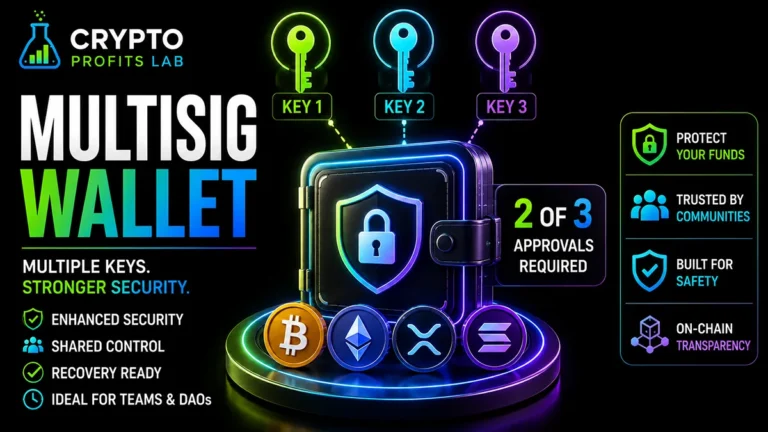
A seed phrase is also private. It is a backup phrase, typically 12 or 24 words, that can restore access to a wallet. A public address helps receive funds. A seed phrase can help recover and control the wallet. That difference is huge.
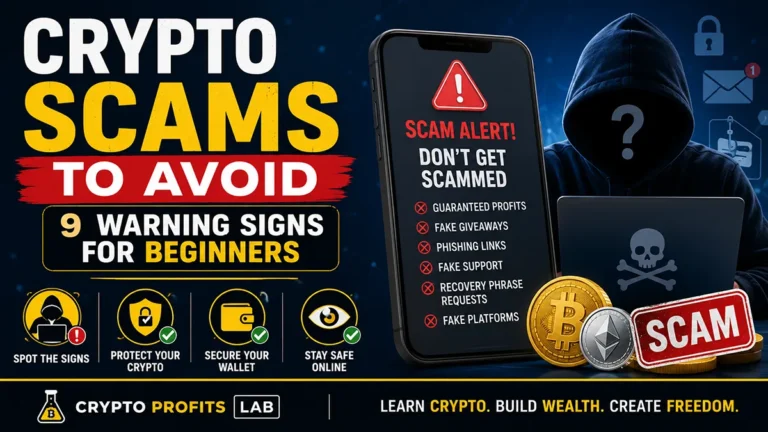
This is why scammers often impersonate support agents and request private keys, recovery words, or screenshots of wallet settings. A real support person should not need your private key or seed phrase. For deeper beginner explanations, read What Is a Crypto Private Key? and What Is a Crypto Seed Phrase?.
Different Coins Can Use Different Address Formats
Not all crypto addresses look the same. A Bitcoin address may look different from an Ethereum address. An XRP address may require a destination tag when sending to certain exchanges. Some networks use similar-looking address formats, which can confuse beginners.
This is why you should not assume that one address works for every coin. A crypto wallet address is usually connected to a specific asset and network. If you are sending Bitcoin, use a Bitcoin address. If you are sending Ethereum, use an Ethereum-compatible address. If you are sending a token on a specific network, make sure the receiving wallet supports that network.
Beginners often run into problems when moving tokens between exchanges and wallets. A token may exist on more than one network. The token’s name may look the same, but the route it takes can be different.
If you are comparing exchange options, read Best Crypto Exchange for Beginners. If you are choosing a wallet, read Best Crypto Wallet for Beginners.
What Is a Network in Simple Terms?
A network is the blockchain path your crypto uses. For beginners, the word “network” can feel abstract, but it simply refers to the system that processes transactions.
Imagine shipping a package. The address matters, but the shipping carrier matters too. Sending something through the wrong carrier or to an unsupported destination can create problems. In crypto, the network is like the route the transaction takes.
Some coins have their own blockchain. Other tokens run on another blockchain. This is why exchanges often ask you to choose a network before receiving or withdrawing. If you pick the wrong one, the receiving wallet may not recognize the deposit.
A crypto wallet address and network must match the one you are trying to send to. Do not rush this step. The extra minute you spend checking can protect you from a costly mistake.
What Is a Memo, Tag, or Destination Tag?
Some cryptocurrencies and exchanges require an extra piece of information called a memo, tag, or destination tag. This is common when many users share the same deposit address at an exchange.
A memo or tag helps the exchange credit the deposit to the correct customer account. Without it, the exchange may receive the funds but not know which user should get credit. That can lead to delays, support tickets, or possible loss depending on the platform.
The safest beginner habit is to check three things before sending:
- The crypto asset.
- The network.
- The memo or tag, if required.
If all three match, you reduce the chance of making a preventable mistake.
How to Find Your Crypto Wallet Address
The exact steps depend on your wallet or exchange, but the process is usually similar.
Step 1: Open your wallet or exchange account
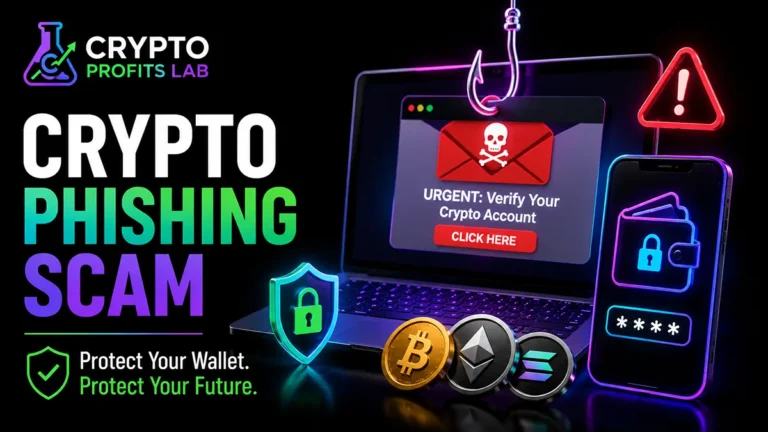
Log in to the app or platform where you want to receive crypto. Make sure you are using the real website or official app. Fake wallet apps and phishing websites are common crypto scams.
Step 2: Choose receive or deposit
Look for a button that says Receive, Deposit, or Add Funds. These labels may vary, but they usually lead to your receiving information.
Step 3: Select the correct asset
Choose the coin or token you want to receive. For example, Bitcoin, Ethereum, Solana, XRP, or a stablecoin. Do not choose a similar-looking asset by mistake.
Step 4: Choose the correct network
If the platform asks for a network, select the one supported by both the sender and receiver. This is one of the most important steps.
Step 5: Copy the address
Use the copy button instead of typing the address manually. A crypto wallet address can be long, and one wrong character can cause a failed or lost transaction.
Step 6: Check the first and last characters
After pasting the address into the sending app, compare the first few and last few characters with the original address. This helps catch clipboard malware, copy errors, or accidental changes.
Step 7: Send a small test amount
For larger transfers, send a small test transaction first. Wait for it to arrive. Then send the rest only after you are confident everything is correct.
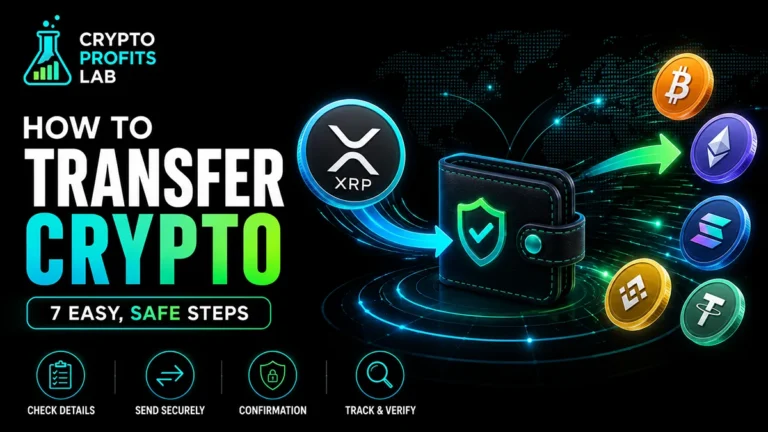
How to Send Crypto to a Wallet Address
Sending crypto is the other side of the same process. Instead of sharing your address, you enter someone else’s address.
Start by opening the wallet or exchange where your crypto is stored. Select Send or Withdraw. Choose the asset, paste the recipient’s crypto wallet address, select the network, and enter the amount.
Before confirming, review every detail. Many apps show a final confirmation screen. Read it slowly. Check whether the platform is warning you about network mismatches, minimum deposits, or irreversible transactions.
If you are sending from an exchange to your own wallet, make sure your wallet supports the asset. A hardware wallet may offer stronger long-term storage, but you still need to choose the correct address and network.
If you are sending through a decentralized platform, you may also need to understand the difference between centralized and decentralized exchanges. Read Centralized vs Decentralized Exchanges for a simple comparison.
Is It Safe to Share a Crypto Wallet Address?
In most cases, it is safe to share a public receiving address when you want to receive crypto. People cannot normally steal funds just by knowing the address.
However, privacy is another issue. On many public blockchains, transactions can be viewed by anyone. If someone knows your address, they may be able to look up activity connected to that address. They may not know your real name automatically, but they can see public blockchain records.
For small personal transfers, this may not matter much. For larger holdings, business payments, or public donations, privacy becomes more important. Some wallets create new receiving addresses to improve privacy, especially with Bitcoin-style wallets.
Sharing a crypto wallet address is usually safe from a control standpoint, but it may reveal transaction history depending on the blockchain.
Common Beginner Mistakes
Mistake 1: Sending to the wrong network
This is one of the biggest beginner mistakes. The coin name may look correct, but the network may be wrong. Always check both sides before sending.
Mistake 2: Ignoring memos or tags
If a platform requires a memo or destination tag, include it exactly. Missing or incorrect tags can make deposits difficult to credit.
Mistake 3: Typing the address manually
Typing a long address by hand is risky. Copy and paste it, then verify the first and last characters.
Mistake 4: Trusting screenshots from strangers
A scammer may send a fake screenshot, a fake QR code, or a fake support message. Use addresses only from the official wallet or platform.
Mistake 5: Sending the full amount first
A small test transaction can save you from a big mistake. This is especially helpful when using a new wallet, exchange, or network.
Mistake 6: Confusing public addresses with private keys
Your receiving address can be shared. Your private key and seed phrase must stay private. Mixing these up can be dangerous.
For a broader safety checklist, read Crypto Safety Tips and Crypto Scams to Avoid.
Safety and Risk Checklist
Before using a crypto wallet address, go through this simple checklist.
- Am I using the official wallet app or the exchange website?
- Did I choose the correct coin or token?
- Did I choose the correct network?
- Does the receiving platform require a memo or tag?
- Did I copy the full address from the correct source?
- Did I verify the first and last characters after pasting?
- Is the amount small enough for a test transaction first?
- Do I understand the fee before confirming?
- Am I ignoring anyone asking for my seed phrase or private key?
This checklist may feel slow at first. That is okay. Speed comes later. Safety should come first.
Hot Wallet, Cold Wallet, and Address Safety
A hot wallet is connected to the internet. It is convenient for regular use, but it may carry more online risk. A cold wallet keeps keys offline, which can make it safer for long-term storage.
Both hot wallets and cold wallets use wallet addresses. The address itself is not the main risk. The bigger question is how your keys are protected.
If you are using small amounts for learning, a beginner-friendly wallet may be enough. If you plan to hold larger amounts for a long time, it is worth learning about cold storage. Read Hot Wallet vs Cold Wallet before deciding how to store your crypto.
What Happens If You Send Crypto to the Wrong Address?
If you send crypto to the wrong address, the result depends on the situation. Sometimes the transaction fails. Sometimes the funds go to another wallet. Sometimes the funds arrive on a network the receiving platform does not support.
In many cases, blockchain transactions cannot be reversed. That is why prevention is so important.
If you made a mistake with an exchange deposit, contact the exchange support team immediately. They may or may not be able to help. If you sent funds to a scammer or a completely wrong address, recovery is often unlikely.
This can sound scary, but it is manageable when you build careful habits. Use test transactions. Avoid rushing. Keep learning before moving large amounts.
Simple Example for Beginners
Imagine you bought a small amount of Ethereum on an exchange and want to move it to your personal wallet.
You open your wallet, tap Receive, choose Ethereum, and copy the receiving address. Then you open your exchange account, choose Withdraw, paste the address, select the matching network, check the fee, and verify the first and last characters.
Because this is your first transfer, you send a small test amount. After it arrives, you repeat the process for the remaining amount. The address may look technical, but using it safely is mostly about checking details in the right order.
Final Thoughts
A crypto wallet address is one of the first practical crypto tools every beginner should understand. It is the public receiving address used to send crypto to a wallet or exchange account. It is not your password, not your seed phrase, and not your private key.
The most important lesson is accuracy. Always match the asset, network, address, and memo or tag when needed. Use copy and paste, verify the address, and send a small test transaction when the amount matters.
Crypto can feel complicated at first because small details have big consequences. That is why Crypto Profits Lab focuses on simple explanations, clear steps, and beginner safety. Once you understand addresses, wallets, private keys, and networks, the rest of crypto becomes much easier to learn.
Crypto Wallet Address FAQ
What is a crypto wallet address used for?
A crypto wallet address is used to receive cryptocurrency from another person, wallet, or exchange. It acts like a public destination on a blockchain. When someone sends crypto to that address, the blockchain records the transaction. The address does not give someone control of your funds on its own, but it must be copied correctly to avoid mistakes.
Is a crypto wallet address the same as a private key?
No. A crypto wallet address is public and can be shared when receiving funds. A private key is secret and controls access to the crypto connected to the wallet. Sharing a private key can allow someone to move your funds. Beginners should treat private keys and seed phrases as highly sensitive information.
Can someone steal my crypto with my wallet address?
In most cases, someone cannot steal your crypto with only your public wallet address. They would need access to your private key, seed phrase, wallet account, or device. However, a public address may reveal transaction activity on some blockchains, so it can still affect privacy even if it does not directly give control.
Why do wallet addresses look so long?
Wallet addresses look long because they are generated using cryptographic rules rather than standard usernames. The length helps make addresses unique and secure for blockchain transactions. Beginners do not need to memorize or type them manually. It is safer to copy and paste the address, then verify the first and last characters.
What happens if I send crypto to the wrong wallet address?
If you send crypto to the wrong wallet address, the transaction may be permanent. Blockchain transactions are usually irreversible once confirmed. If the funds went to an exchange and you made a network or memo mistake, support may be able to review it. If funds went to a random or scam address, recovery is often unlikely.
Do I need a different address for every cryptocurrency?
Often, yes. Different cryptocurrencies and networks may use different address formats. Some wallets support many coins, but each asset may still have its own receiving address or network rules. Always choose the exact coin and network before copying an address. Do not assume one address works for every crypto asset.
What is a memo or destination tag in crypto?
A memo or destination tag is extra information required by some exchanges or cryptocurrencies to credit a deposit correctly. It helps the platform identify which customer should receive the funds. If a deposit screen says a memo or tag is required, copy it exactly. Leaving it out can delay or risk your deposit.
Should beginners send a test transaction first?
Yes, a test transaction is a smart habit when sending a meaningful amount of crypto. Send a small amount first, wait for it to arrive, and then send the rest after confirming the address and network are correct. The test may cost an extra fee, but it can prevent a much bigger mistake.