What Is a Crypto Dusting Attack? Beginner Safety Guide
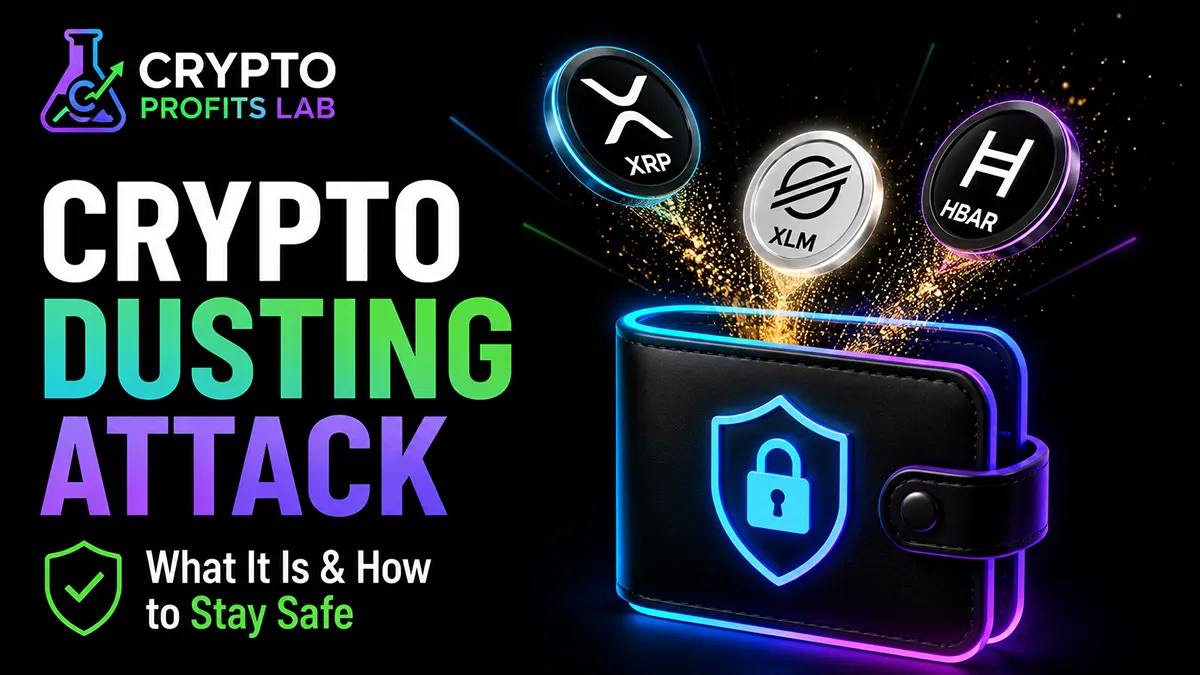
A tiny, unexpected crypto deposit can seem harmless or even look like free money. However, a small transaction from an unknown sender can sometimes be part of a crypto dusting attack.
The deposit may be designed to study wallet behavior, weaken privacy, place a suspicious address in your transaction history, or lead you toward a phishing scam. This guide explains how dusting works, what warning signs to watch for, and how beginners can respond safely.
Quick Answer
A crypto dusting attack happens when someone sends a tiny amount of cryptocurrency or an unwanted token to a wallet address. The sender may hope to track later transactions, connect related addresses, place a deceptive address in the wallet’s history, or lead the recipient to a malicious website.
Receiving dust does not normally reveal your private key or give the sender control of your wallet. The safest response is usually to leave the asset alone, avoid connected links, hide or report it when possible, and verify every destination address before sending crypto.
Key Takeaways
- A crypto dusting attack uses tiny deposits or unwanted tokens to create a traceable transaction.
- The deposited amount may be nearly worthless, but it can still be useful to a scammer.
- Dusting is usually a privacy or social-engineering threat rather than an automatic wallet takeover.
- Do not click links, visit websites, call phone numbers, or follow instructions shown in an unknown token’s name.
- Do not copy a future destination address from transaction history without verifying the full address.
- Wallets with coin control may let Bitcoin users isolate a suspicious unspent output.
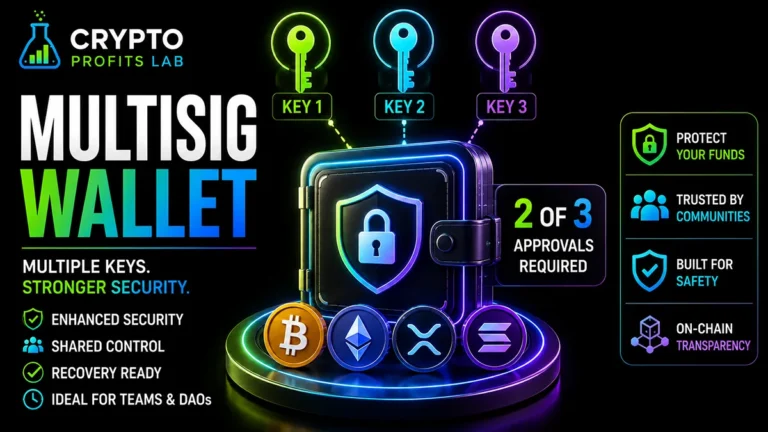
- Your private key and seed phrase remain critical. Never share them with anyone claiming to help remove dust.
- Good transaction habits reduce the risk from dusting, address poisoning, and many related scams.
Crypto Dusting Attack Beginner Facts
| Question | Beginner-Friendly Answer |
|---|---|
| What is “dust”? | A very small amount of cryptocurrency or a token with little or no practical value. |
| Does receiving dust mean my wallet is hacked? | No. An unexpected deposit alone does not usually mean someone controls your wallet. |
| Can the sender see my wallet balance? | Public blockchains may let anyone view an address’s balance and transaction history. |
| Should I send the dust back? | Usually no. Moving it may create more activity for an attacker to analyze. |
| Should I click a website shown in the token name? | No. Unknown links may lead to phishing pages or malicious approvals. |
| Can I delete a blockchain transaction? | No. Confirmed public blockchain records generally remain visible. |
| What is the safest first step? | Stop, inspect the transaction carefully, and avoid interacting with the asset. |
| Is dusting the same as address poisoning? | Not exactly. Dusting often focuses on tracking, while address poisoning focuses on tricking you into copying a fake address. |
What Does “Crypto Dust” Mean?
Crypto dust is a tiny amount of a digital asset. The value may be so low that moving it would cost more in network fees than the asset is worth.
Not all dust is malicious. Small balances can remain after trades, transfers, fee calculations, reward payments, or rounding. An exchange account may show several tiny leftover balances after a user sells most of a coin. A self-custody wallet may also contain small transaction outputs created through normal Bitcoin activity.
A crypto dusting attack is different because the small deposit is deliberately sent to one or many addresses for a purpose. The sender may be trying to observe how the recipient moves funds, identify related addresses, promote a fraudulent token, or prepare a later scam.
The word “attack” can sound more dramatic than the first transaction really is. In many cases, the dust does not damage the wallet. It creates an opportunity for surveillance or manipulation. The attacker depends on public blockchain data, wallet interfaces, and human mistakes.
How a Crypto Dusting Attack Works
A public blockchain records transactions so the network can verify ownership and prevent double-spending. That transparency also means wallet activity can often be examined with a blockchain explorer.
A crypto dusting attack may follow these steps:
- An attacker gathers public wallet addresses.
- Tiny amounts or unwanted tokens are sent to those addresses.
- Some recipients move, swap, return, or interact with the assets.
- The attacker studies the resulting transaction patterns.
- Related addresses may be grouped together, or active users may receive targeted scams.
Dusting on UTXO-Based Blockchains
Bitcoin and similar networks use unspent transaction outputs, or UTXOs. Think of them as separate pieces of crypto that a wallet can combine when making a payment.
If a wallet combines a suspicious dust UTXO with normal funds, an observer may infer that the inputs are controlled together. The conclusion is not always certain, but it can help map activity. Some advanced Bitcoin wallets therefore offer “coin control,” which lets users choose which UTXOs to spend.
Dusting on Account-Based Blockchains
Networks such as Ethereum use an account-based model. Unknown tokens may appear without the owner requesting them, sometimes displaying a website, reward claim, or message.
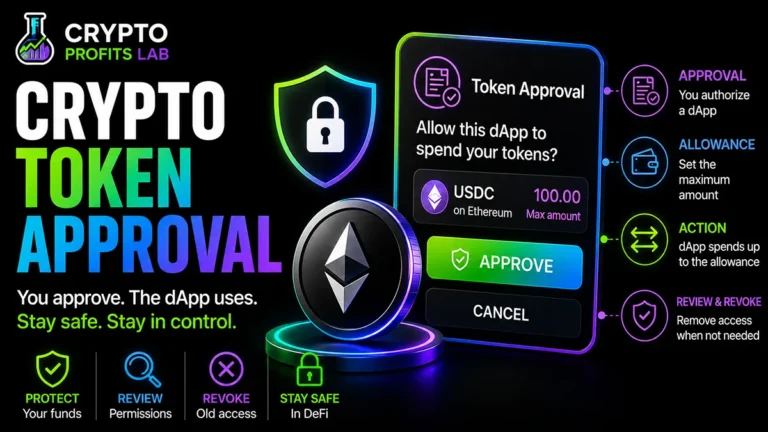
The sender may hope the recipient visits a malicious page, signs a transaction, or grants a crypto token approval. This behavior may be closer to phishing or wallet spam than traditional UTXO tracking. The practical response is the same: do not interact, follow its instructions, or approve an unknown contract.
Why Would Someone Launch a Crypto Dusting Attack?
The sender is not usually trying to profit from the tiny amount. The deposit is a tool.
To Connect Wallet Addresses
A person may use several addresses and believe each one is separate. Transaction patterns can sometimes reveal connections between them. If dust is combined with other funds, an observer gains another clue about which addresses may be controlled together.
To Connect Activity to a Real Identity
A public address is pseudonymous, not automatically anonymous. Its activity may be visible even though the address does not display a legal name.
Privacy can weaken when funds move to an identity-verified exchange, an address is posted publicly, or a payment is linked to a known person or business.
To Prepare a Phishing Attempt
A crypto dusting attack may help identify active wallets or valuable balances. A scammer can then send a fake security alert or support message that mentions the correct blockchain or a recent public transaction.
To Place a Deceptive Address in History
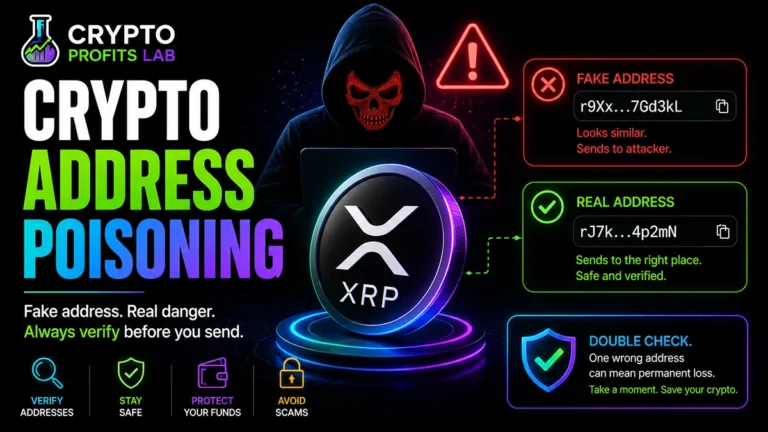
Tiny or zero-value transactions can place a look-alike address in the victim’s wallet history. The victim may later copy it instead of the correct destination.
This is more accurately described as crypto address poisoning. It overlaps with dusting, but address poisoning mainly targets human error.
To Promote a Scam Website
An unwanted token may display a website, phone number, or reward message. The site may ask the user to connect a wallet, sign a request, reveal a crypto seed phrase, or pay a fee.
Crypto Dusting Attack vs. Address Poisoning
Beginners often use these terms interchangeably, but the distinction is useful.
A crypto dusting attack traditionally focuses on tracing activity. The attacker sends a small amount and watches how it moves. This is especially relevant to UTXO-based networks, where transaction inputs may help analysts cluster addresses.
Address poisoning focuses on deception. The attacker creates or uses an address that resembles one you trust, then places it in your transaction history. The hope is that you will copy the wrong address during a future transfer.
A single suspicious transaction can support both goals. For example, a small deposit may let someone observe activity while also placing a misleading sender address in your history.
The safest habit is to treat transaction history as a record, not an address book. Always obtain a destination address from the intended recipient or a verified saved contact. Compare the entire address, not only the first and last few characters.
Crypto Dusting Attack vs. a Normal Small Balance
A tiny balance does not prove malicious activity. Consider the context.
Normal dust may result from:
- A trade that did not use the entire balance
- A small staking or reward payment
- Network fee calculations
- A legitimate promotional distribution
- A test transaction you sent yourself
- Change created during a Bitcoin transaction
- Rounding inside an exchange account
Suspicious dust may involve:
- An asset you have never used
- A token name containing a website or phone number
- A deposit from an unknown address
- A message promising a reward
- Instructions to connect your wallet
- A sender address that closely resembles one in your history
- Repeated tiny deposits with no clear reason
You do not need to identify the attacker’s exact purpose before taking precautions. When an asset is unexpected, avoid interacting with it until you understand what it is.
Does a Crypto Dusting Attack Steal Your Crypto?
A crypto dusting attack does not normally steal crypto simply by placing funds in your wallet. The sender cannot learn your private key from a normal public transaction. The sender also cannot calculate your seed phrase from your wallet address.
That does not make the situation risk-free.
Loss can occur when a recipient:
- Visits a phishing website shown in the token name
- Connects a wallet to an untrusted application
- Signs a malicious transaction
- Grants a dangerous token approval
- Sends funds to a poisoned address
- Reveals a seed phrase to fake support
- Downloads malware presented as a dust-removal tool
- Shares personal information with the attacker
The distinction matters. Receiving an unwanted asset is usually passive. Signing, approving, sending, downloading, or revealing information is active. Most serious danger begins when the recipient interacts.
Warning Signs of a Crypto Dusting Attack
A crypto dusting attack can look different across networks. Watch for several clues.
An Unexpected Tiny Deposit
You receive a very small transfer even though you do not recognize the sender.
An Unknown Token Appears
A token you never bought or claimed suddenly appears in your wallet, possibly with no verified market or reliable project information.
A URL or Phone Number Appears in the Asset Name
Treat text inside an unknown token as advertising from an untrusted sender, not as a wallet notification.
A Reward Seems Too Good to Be True
The token may promise a large reward if you visit a website, connect your wallet, or pay a fee.
A Familiar-Looking Address Appears
The sender address may share starting or ending characters with an address you used before. A partial match does not prove it is safe.
Fake Support Contacts You
Someone may claim your wallet is compromised. Real support should never ask for your seed phrase or private key.
What to Do After Receiving Suspicious Crypto Dust
Use a calm process. A rushed attempt to “clean” the wallet can create more risk than the dust.
Step 1: Do Not Panic
An unexpected deposit does not automatically mean your wallet is hacked. Do not move everything based only on a tiny transaction.
Step 2: Do Not Interact
Do not send it back, swap it, approve it, stake it, burn it, or claim a connected reward. Do not visit a link shown in the token name or transaction note.
Step 3: Inspect the Transaction Safely
Use the wallet’s built-in details or a trusted explorer. You may review the asset, amount, sender, time, and crypto transaction hash without signing anything.
Viewing public information is different from connecting your wallet to an unknown site.
Step 4: Hide or Report the Asset
Many wallets let users hide unknown tokens or report spam. Hiding changes what the interface displays; it does not erase the blockchain record or send the asset elsewhere.
Coinbase advises recipients of unexpected dust funds to leave them alone and notes that its Base app provides a hide-and-report option. See the Coinbase dusting attack guidance.
Step 5: Use Coin Control When Appropriate
For Bitcoin and other UTXO-based assets, an advanced wallet may let you label, freeze, or avoid spending a suspicious output. This prevents automatic combination with other UTXOs.
Follow official instructions for your wallet. Do not install unknown “dust removal” software.
Step 6: Verify Future Addresses
When you next transfer crypto, obtain the destination from the recipient or a verified exchange deposit screen. Never copy it from an old transaction.
Check the full address, network, and any required crypto memo or destination tag. Consider a small test transfer before sending a large amount.
Step 7: Review Wallet Security
Update the wallet app and device software. Review recent approvals and disconnect unfamiliar applications where appropriate.
Entering a seed phrase, signing an unknown transaction, or installing suspicious software is more serious than merely receiving dust. Stop interacting and use official wallet support resources.
How to Reduce Crypto Dusting Attack Risk
You cannot prevent every stranger from sending assets to a public address. You can reduce the usefulness of the transaction and avoid related traps.
Use Fresh Receiving Addresses When Supported
Some wallets generate a new receiving address for each transaction while keeping one backup. This can improve privacy by reducing address reuse.
The feature is common on Bitcoin wallets but differs by blockchain. Learn how your crypto wallet handles receiving addresses.
Avoid Posting Main Addresses Publicly
An address shared on social media or a forum can be copied by anyone. Consider a separate public receiving address for payments or donations.
Separate Everyday and Long-Term Funds
Some users keep spending funds apart from long-term holdings. A hardware wallet can isolate private keys from an internet-connected computer, although it cannot stop incoming dust.
Verify Every Address Independently
Do not rely on transaction history, partial previews, or visual familiarity. Compare the full destination and confirm it on a trusted device screen.
Protect Recovery Information
No legitimate support agent needs your recovery phrase to inspect an incoming transaction. Your crypto private key controls spending authority. Keep it secret and offline.
Read Wallet Requests Carefully
A website can request permissions unrelated to the token you received. Cancel any connection, approval, or signature you do not understand.
Learn Common Scam Patterns
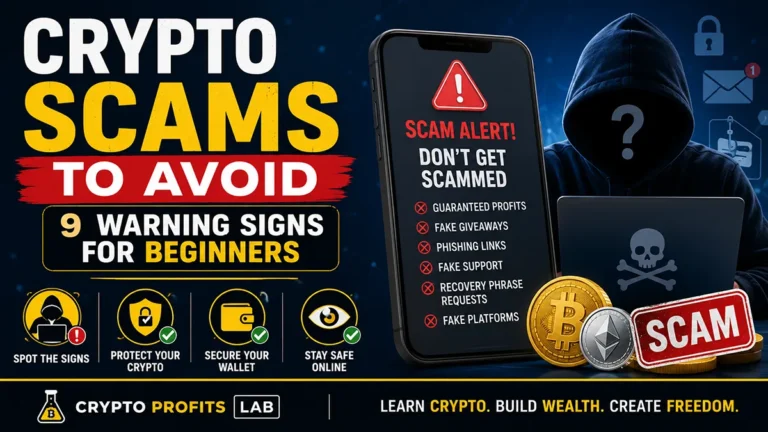
Dusting is one part of a larger security picture. Review crypto scams to avoid before an emergency occurs.
Common Beginner Mistakes
Returning the Dust
Sending it back creates more activity for someone to analyze and adds another chance for an address mistake or fee.
Clicking a “Removal” Link
A confirmed blockchain entry cannot be deleted by visiting a website. The page may instead request wallet access, a signature, payment, or seed phrase.
Copying From Transaction History
Attackers know people use history as a shortcut. A poisoned address may look almost identical to the correct one.
Treating the Deposit as Free Money
The asset may be worthless, unsellable, or connected to a malicious contract. A displayed dollar value does not guarantee real liquidity.
Moving Everything Immediately
A full wallet migration is usually unnecessary when you only received dust. Migration is more appropriate when a seed phrase, private key, device, or signed approval may actually be compromised.
Trusting Unsolicited Support
Use the official website or app to find support. Do not trust unexpected direct messages, phone numbers, or search ads.
Assuming Hardware Prevents Every Scam
A hardware wallet protects keys, but a user can still approve a harmful transaction or send to the wrong address.
Safety and Risk Considerations
A crypto dusting attack is usually more about privacy and deception than immediate theft. The risk depends on what happened after the deposit.
Lower Risk
You noticed a tiny deposit but did not interact, visit a link, sign anything, or share information. Hiding the asset and improving transaction habits may be enough.
Higher Risk
You connected to an unknown site, approved a token, signed a request, downloaded software, or shared personal details. Review wallet permissions, device security, and official support guidance.
Critical Risk
You revealed a seed phrase or private key. Treat the wallet as compromised and follow trusted wallet-provider instructions for moving legitimate assets to a new wallet with a new recovery phrase.
Never ask a stranger to perform the migration, and never type the new phrase into a website.
Final Thoughts
A crypto dusting attack takes advantage of the fact that public blockchains reveal transaction activity and that people often react quickly to unfamiliar wallet entries.
The tiny deposit is usually not the main threat. The important questions are whether you interact with it, whether you reuse addresses, whether you copy destinations from transaction history, and whether a scammer can persuade you to sign or reveal something sensitive.
For most beginners, the best response is simple: leave suspicious dust alone, hide or report it when possible, avoid embedded links, verify future addresses from a trusted source, and protect your seed phrase.
Crypto Profits Lab focuses on clear, practical education because safer decisions begin with understanding what is happening. You do not need to become a blockchain expert to reduce risk. A few careful habits can make a crypto dusting attack far less useful to an attacker.
Crypto Dusting Attack Frequently Asked Questions
Can a crypto dusting attack empty my wallet?
A crypto dusting attack does not normally empty a wallet simply because a small deposit arrived. The transaction does not reveal your private key or seed phrase. Theft becomes more likely when someone clicks a malicious link, connects to an untrusted application, signs a harmful transaction, grants token permissions, or sends funds to a poisoned address. Leave unknown assets alone and review every wallet request carefully.
Should I send suspicious crypto dust back to the sender?
Sending suspicious dust back is usually unnecessary and may give the sender more transaction activity to analyze. It also creates another chance to copy the wrong address or pay a fee. The safer approach is generally to leave the amount untouched, hide or report the asset if your wallet supports it, and avoid any website, message, or reward claim connected to the deposit.
Is a crypto dusting attack the same as address poisoning?
No. A crypto dusting attack traditionally sends tiny amounts to help trace wallet activity or connect related addresses. Address poisoning places a deceptive, look-alike address in transaction history so the victim may copy it later. The methods can overlap because both use public transactions and small amounts. Protect yourself by avoiding unknown assets and verifying the entire destination address before every transfer.
Does receiving an unknown token mean my seed phrase is exposed?
No. Anyone who knows a public wallet address can send an asset to it, so an unknown token does not prove that the sender knows your seed phrase. Your recovery phrase is at risk only if it was revealed, entered into a malicious site, photographed, stored insecurely, or otherwise exposed. Never share it with someone offering to remove a token or repair a wallet.
Can I delete dust from my crypto wallet?
You generally cannot delete a confirmed blockchain transaction. Some wallets let you hide an unwanted token, report it as spam, or isolate a suspicious UTXO so it is not spent. These features change how the asset is displayed or used, not the permanent blockchain record. Avoid “dust removal” websites that ask you to connect a wallet, sign a request, or enter a seed phrase.
How do I know whether a tiny crypto payment is legitimate?
Check whether you expected the payment, recognize the sender, recently earned a reward, or performed a transaction that could create change. Review the transaction using a trusted blockchain explorer without connecting to an unknown website. Warning signs include an unfamiliar token, a URL in its name, reward claims, instructions to contact support, or an address that resembles one you previously used.
Does a hardware wallet prevent a crypto dusting attack?
A hardware wallet cannot stop someone from sending dust to a public address. Its main purpose is to protect private keys and require transaction approval on a separate device. It can still improve security, but it does not replace careful address verification. A user can approve a malicious transaction or send funds to a scammer even while using secure hardware.
What should I do if I interacted with a suspicious dust token?
Stop interacting and record what you did. Determine whether you only viewed public transaction details or whether you connected a wallet, approved a token, signed a transaction, downloaded software, or entered a recovery phrase. Use official wallet support information to review permissions and device security. If you exposed a seed phrase or private key, treat the wallet as compromised and move legitimate assets using trusted guidance.