What Is Crypto Address Poisoning? A Beginner’s Safety Guide
A cryptocurrency wallet address can contain dozens of letters and numbers. Because these addresses are difficult to memorize, most people copy and paste them when sending funds.
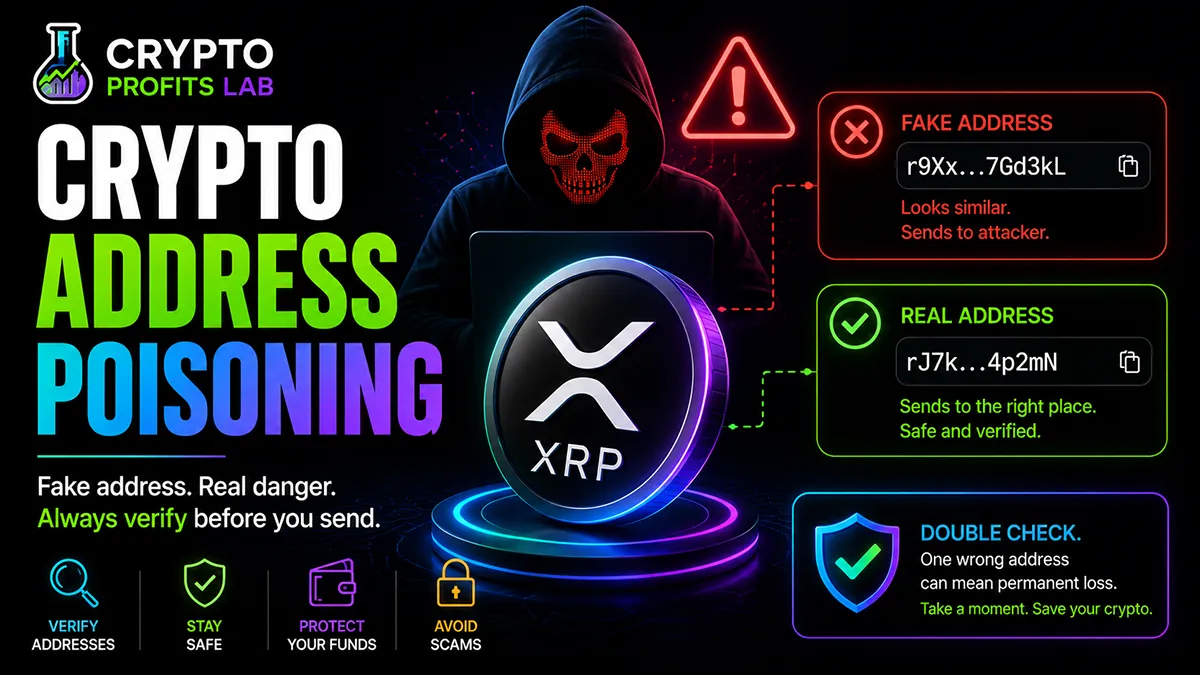
Scammers know this. Crypto address poisoning is a trick designed to place a look-alike wallet address inside your transaction history. The attacker hopes you will later copy that fake address and send cryptocurrency to the wrong person.
The scam does not usually break into your wallet or steal your private key. Instead, it takes advantage of rushed decisions, shortened address displays, and the habit of copying old addresses from transaction history.
This guide explains how the scam works, how to recognize it, and how to verify an address before every transfer.
Quick Answer
Crypto address poisoning is a scam in which an attacker creates a wallet address that resembles one you have used before. The attacker then sends a tiny transaction, a worthless token, or another on-chain activity involving your wallet.
That activity places the look-alike address in your transaction history. If you later copy it without checking the complete address, your next transfer could go to the scammer.
The safest protection is to obtain the recipient’s address from a trusted source, compare the full address on the final confirmation screen, and send a small test transaction before transferring a large amount.
Key Takeaways
- Crypto address poisoning places a look-alike address in your transaction history.
- The fake address may share the same first and last characters as a legitimate address.
- Attackers rely on users copying an address from recent transaction activity.
- Receiving a tiny or unexpected transaction does not automatically mean your wallet has been hacked.
- Never use transaction history as your only source for a destination address.
- Compare more than the first and last few characters.
- Verify the address on your wallet or hardware device before approving the transaction.
- Use a trusted address book or withdrawal allowlist when your platform supports one.
- Send a small test amount before making a large transfer.
- Blockchain transfers are usually irreversible after confirmation.
Crypto Address Poisoning Beginner Facts
| Question | Beginner-friendly answer |
|---|---|
| What is it? | A scam that places a look-alike address in your transaction history |
| How does it begin? | The attacker sends a small transaction or creates visible token activity |
| Is the wallet hacked? | Usually no; the scam mainly relies on user error |
| Why do fake addresses look familiar? | They may copy the beginning and ending characters of a real address |
| What does the attacker want? | For you to copy the fake address and send funds to it |
| Can the unwanted transaction be reversed? | Usually not, but you can ignore it |
| Should you interact with unknown tokens? | No; hide or ignore them when possible |
| Best protection | Verify the full destination address before signing |
| Are lost funds recoverable? | Usually not unless the recipient voluntarily returns them |
| Does a test transfer help? | Yes, when you verify that the correct destination received it |
What Is Crypto Address Poisoning in Simple Terms?
Crypto address poisoning is a form of social engineering. Social engineering means manipulating a person into making a mistake rather than directly defeating the technology protecting an account.
An attacker studies public blockchain activity and finds an address you previously sent funds to. The attacker then generates a different wallet address that resembles the legitimate one, often matching several characters at the beginning and end.
Next, the attacker creates a transaction involving your wallet so the fake address appears in your history. The amount may be extremely small, zero-value, or connected to a token you have never seen.
MetaMask describes address poisoning as a scam in which attackers place a similar-looking address in a victim’s transaction history and wait for the victim to copy it by mistake. MetaMask’s official address poisoning guide also warns users to examine the middle characters instead of checking only the beginning and end.
Why Wallet Addresses Are Easy to Confuse
A crypto wallet address is a long identifier used to receive cryptocurrency. Depending on the network, it may contain letters, numbers, or both.
A beginner might see two shortened addresses like these:
- Legitimate address:
0x83A4...7B92 - Look-alike address:
0x83A4...7B92
When shortened, they appear identical. The middle characters may be completely different, but many wallet apps hide that section to save space.
Attackers take advantage of this design. They do not need to create an address that matches every character. They only need one that looks convincing when shortened.
This is why checking just four characters at the beginning and four at the end is not always enough protection from crypto address poisoning.
How Crypto Address Poisoning Works Step by Step
The exact method can vary by blockchain and wallet, but the basic process is usually similar.
Step 1: The Attacker Watches Public Transactions
Public blockchains allow anyone to view addresses and transaction activity through a blockchain explorer.
The attacker searches for active wallets and studies addresses that regularly send valuable transactions.
Step 2: The Attacker Chooses a Familiar Address
Suppose you frequently move funds from a personal wallet to an exchange deposit address. The attacker identifies that exchange address from your public history.
Step 3: A Look-Alike Address Is Generated
The attacker uses software to generate many addresses until one shares selected starting and ending characters with the legitimate address.
This is sometimes called a vanity address because certain visible characters were intentionally selected during the address-generation process.
Step 4: The Fake Address Enters Your History
The attacker sends a tiny amount to your wallet, sends a token, or creates another visible transaction.
In some versions, the fake address appears as the sender. In others, manipulated token-transfer records may make it look as though your wallet interacted with the address.
The unexpected activity alone does not normally remove funds from your wallet. Its purpose is to make the deceptive address visible.
Step 5: You Later Prepare a Real Transfer
Days or weeks later, you decide to send funds to the familiar recipient. Instead of obtaining a fresh address, you open your recent activity and copy an address that appears correct.
Step 6: The Shortened Address Looks Familiar
You compare only the beginning and ending characters. Because those characters match, you assume it is the correct destination.
Step 7: The Transfer Goes to the Attacker
You approve the transaction. Once the network confirms it, the cryptocurrency belongs to the scammer’s address.
The crypto address poisoning attempt succeeds without the attacker learning your password, seed phrase, or private key.
Crypto Address Poisoning vs. a Dusting Attack
These scams can look similar because both may involve receiving a very small amount of cryptocurrency. However, their usual goals are different.
A dusting attack may attempt to connect wallet activity and learn more about the people or organizations controlling addresses. Unexpected tokens may also contain suspicious names or website links intended to attract clicks.
Crypto address poisoning focuses on placing a deceptive address in transaction history. The attacker wants you to copy that address during a future transfer.
The safest response to either type of suspicious activity is similar:
- Do not click links contained in token names or descriptions.
- Do not visit websites promoted by unexpected assets.
- Do not copy destination addresses from unfamiliar transactions.
- Do not sign messages or approve contracts to “claim” unknown tokens.
- Use your wallet’s hide or spam-reporting feature when available.
Does an Unexpected Transaction Mean Your Wallet Was Hacked?
Usually, no.
Anyone can send cryptocurrency or tokens to a public wallet address. Receiving something unexpected does not prove that the sender controls your wallet.
Your assets remain controlled by the relevant private keys. A crypto private key is the secret credential that authorizes transactions from a self-custody wallet.
However, an unexpected transfer should make you more careful. It may be spam, a dusting attempt, or crypto address poisoning.
Review the activity on a trusted explorer, but do not interact with unknown tokens or follow links in their names.
If your wallet shows outgoing transactions that you did not authorize, that is more serious. It may indicate a compromised seed phrase, a malicious contract approval, or another security problem unrelated to the unwanted incoming payment.
How to Recognize a Possible Poisoned Address
Warning signs include:
- A tiny incoming transaction you did not expect
- A zero-value transaction in your activity
- A token with a strange name or website
- An address that resembles one you regularly use
- Several similar addresses in recent history
- A transaction you do not remember creating
- A destination copied from history instead of from the recipient
- An address that matches only at the beginning and end
- A wallet warning about a suspicious or similar address
One warning sign alone does not prove an attack. Still, crypto address poisoning is designed to look ordinary, so the best defense is a consistent verification process rather than trying to identify every attacker.
How to Verify a Wallet Address Safely
Follow these steps every time you send cryptocurrency.
1. Get the Address From the Recipient
Ask the recipient to provide a current address through a trusted communication method.
When depositing to an exchange, copy the address from the exchange’s official deposit page. Do not copy it from an email advertisement, search result, social-media reply, or unsolicited private message.
2. Confirm the Cryptocurrency and Network
Make sure the address belongs to the correct blockchain. A valid-looking address on the wrong network can still cause a loss.
For tokens available on multiple networks, confirm that the sending and receiving platforms support the same network.
3. Avoid Copying From Transaction History
Transaction history is useful for keeping records, but it should not be treated as an address book. A poisoned address may be waiting there.
Avoiding history-based copying is one of the most important protections against crypto address poisoning.
4. Paste the Address Into the Sending Field
Use the official wallet or exchange application.
After pasting, pause before continuing. Do not assume that the copied information remained unchanged.
5. Compare the Full Address
Compare the destination with the original source. Check several groups of characters from the beginning, middle, and end.
For a valuable transfer, comparing every character is the safest approach.
Checking the middle is especially important because a crypto address poisoning attack is often designed to imitate the characters people normally notice.
6. Check the Final Confirmation Screen
Malware or a compromised clipboard could replace an address after you copy it. Confirm the destination again immediately before approving the transfer.
The address displayed on the final confirmation screen is the one that matters.
7. Verify on the Hardware Device
When using a hardware wallet, trust the address shown on the device’s secure screen rather than checking only the computer or phone display.
Compare the device screen with the recipient’s verified address before physically approving the transaction.
8. Send a Test Transaction
Send a small amount first. Wait for it to arrive and verify the crypto transaction hash before sending the remaining balance.
Make sure the test amount is large enough to meet any exchange minimum-deposit requirement.
9. Reuse the Verified Source, Not a History Entry
After a successful test, return to the same verified destination source.
Do not copy an address from the new transaction-history line merely because it looks similar. A new crypto address poisoning transaction could appear between the test and the main transfer.
These habits make crypto address poisoning much less likely to succeed.
Why a Test Transaction Helps
A test transaction is a small transfer sent before a larger one. It can help confirm the address, network, memo or tag, and receiving platform.
For example, you might send a small amount of XRP to an exchange. After it appears in the correct account, you can prepare the remaining amount.
A test does not remove every risk. You must still verify that the address used for the second transfer is identical to the verified test destination.
An attacker may place another look-alike entry in your history after the test. Follow the complete how to transfer crypto checklist rather than treating a successful test as permission to stop checking.
Can an Address Book Prevent the Scam?
A trusted address book can reduce risk because it lets you save a verified destination with a recognizable label.
Some exchanges also offer withdrawal allowlisting. An allowlist limits withdrawals to addresses you previously approved. The platform may also place a waiting period on newly added addresses.
These features can help protect against crypto address poisoning because they reduce the need to copy destinations from transaction history.
However, an address book is not perfect. A saved entry can be labeled incorrectly, an account can become compromised, or the recipient can change deposit addresses.
When adding an address:
- Obtain it from the official recipient source.
- Confirm the cryptocurrency and network.
- Compare the complete address.
- Send a test transaction.
- Save it with a clear label.
- Recheck it if the recipient announces a change.
An address book is a safety tool, not a substitute for final verification.
Can a Blockchain Explorer Detect Crypto Address Poisoning?
A blockchain explorer displays public transaction data, but it may not always know which address is legitimate.
Some explorers and wallets label suspicious tokens, spam activity, or known scam addresses. These warnings are useful, but no detection system can immediately identify every new address.
Use the explorer to review:
- The complete sending and receiving addresses
- The transaction amount
- The cryptocurrency or token contract
- The date and time
- The transaction status
- Related address activity
- Any warning labels
A crypto transaction can be valid on the blockchain and still be connected to a scam.
A “successful” status means the network processed the instructions. It does not mean the receiving address was correct, trustworthy, or protected from crypto address poisoning.
What to Do After Receiving a Suspicious Transaction
Do not panic. Receiving a suspicious asset does not usually give the sender access to your wallet.
Take these steps:
- Do not click any link connected to the token.
- Do not reply to or contact the sender.
- Do not copy the sender’s address for future transfers.
- Do not approve a contract to remove or claim the asset.
- Hide or mark the token as spam when your wallet supports it.
- Review the transaction using a trusted explorer.
- Warn other authorized users of the wallet.
- Continue verifying every destination from an independent source.
You normally do not need to move all your funds merely because someone sent you a tiny amount. Moving funds hastily could create another opportunity for crypto address poisoning.
What to Do If You Sent Funds to a Poisoned Address
Act quickly, but understand that recovery is unlikely.
Save the Transaction Details
Record the transaction hash, destination address, amount, cryptocurrency, network, date, and time.
Do not delete messages or screenshots connected to the incident.
Confirm What Happened
Use the correct explorer to confirm the transaction and identify the receiving address.
Compare that address with the legitimate destination so you can document the differences.
Contact the Sending Platform
When the transfer came from an exchange, report it immediately.
The exchange usually cannot reverse a completed blockchain payment, but it may document the incident, preserve account records, or help you understand the reporting process.
Report the Address
Report the suspected crypto address poisoning address through the wallet, explorer, exchange, or reputable blockchain-abuse reporting service when available.
A report may help platforms warn other users even when your own transaction cannot be recovered.
Contact Law Enforcement
For a significant loss, report the incident to the appropriate law-enforcement or cybercrime authority in your country.
Preserve screenshots, transaction records, communication logs, and the complete destination address.
Ignore Recovery Scammers
People claiming they can recover funds for an advance payment, seed phrase, or wallet connection are often running a second scam.
A confirmed blockchain transfer generally cannot be canceled with its transaction hash. Recovery usually requires cooperation from whoever controls the receiving address.
Safety Risks Connected to Crypto Address Poisoning
Irreversible Transfers
Blockchain payments generally cannot be recalled like a credit card charge. One incorrect character can send funds to a different destination.
Look-Alike Addresses
Attackers may generate addresses that match more visible characters than you expect.
Clipboard Malware
Separate from crypto address poisoning, malware can replace a copied wallet address. Always verify the final destination on a trusted screen.
Fake Tokens
Unknown tokens may advertise malicious websites or encourage dangerous contract approvals.
False Confidence
A familiar-looking transaction history can make users lower their guard.
Recovery Scams
Victims may be targeted again by impersonators promising guaranteed recovery.
For broader protection strategies, review the guides to crypto safety tips and crypto scams to avoid.
Common Beginner Mistakes
Copying an Address From Recent Activity
This is the exact behavior crypto address poisoning is designed to exploit. Return to the recipient’s official deposit or receive page instead.
Checking Only the Last Four Characters
A fake address may intentionally share those characters. Check the middle and, for large transfers, the complete address.
Assuming a Small Deposit Is Free Money
Unexpected assets may be spam or bait. Do not visit links or sign transactions to claim them.
Trusting the Computer Screen Alone
When using a hardware wallet, verify the destination on the physical device.
Skipping the Test Transfer
A small verified transfer may reveal an incorrect address or network before a larger loss occurs.
Sending the Main Amount to a Different Entry
After a test succeeds, some users return to transaction history and copy the wrong line. Use the same verified source again.
Sharing a Seed Phrase With “Support”
No legitimate support team needs your crypto seed phrase to investigate a public transaction.
Moving Funds in a Panic
An unexpected deposit alone does not normally compromise a wallet. Slow down and verify what happened.
A Simple Address Verification Checklist
Use the same checklist whether or not you have noticed signs of crypto address poisoning.
Before approving any transfer, ask:
- Did I obtain the address from the recipient’s official source?
- Is the cryptocurrency correct?
- Is the blockchain network correct?
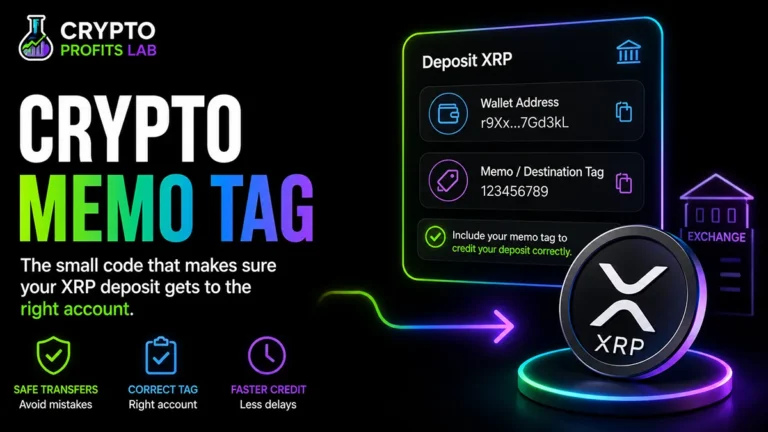
- Is a memo or destination tag required?
- Did I avoid copying from transaction history?
- Did I compare characters at the beginning, middle, and end?
- For a large amount, did I compare the complete address?
- Does the final confirmation screen show the same address?
- Does my hardware wallet show the same destination?
- Can I send a small test first?
- Did the test reach the intended account?
- Am I using the same verified source for the main transfer?
A careful routine is more reliable than trying to remember what a safe address looks like.
Final Thoughts
Crypto address poisoning succeeds by making a dangerous address look familiar. It does not need to defeat advanced wallet security when a hurried user copies the wrong destination.
Your best defense is a repeatable process: obtain the address from the recipient, confirm the network, compare the complete destination, check the final signing screen, and use a test transaction.
Do not treat transaction history as an address book. Do not interact with unknown tokens, and never share a seed phrase or private key with anyone offering support or recovery.
Crypto Profits Lab focuses on clear, practical education so beginners can recognize risks without becoming overwhelmed by technical language. Slowing down for one careful address check can prevent an irreversible loss.
Crypto Address Poisoning Frequently Asked Questions
What Is Crypto Address Poisoning?
Crypto address poisoning is a scam that places a look-alike wallet address in your public transaction history. The attacker hopes you will later copy that address instead of the legitimate recipient’s address. Because the fake address may match the first and last characters of a familiar one, it can appear correct when a wallet shortens the middle.
Can Address Poisoning Hack My Wallet?
Crypto address poisoning does not usually hack a wallet or reveal its private key. The attacker sends a transaction or token so a deceptive address appears in the wallet’s history. The loss occurs only if the user copies that address and authorizes a transfer. However, unauthorized outgoing transactions may indicate a different and more serious security problem.
Why Did I Receive a Tiny Amount of Crypto?
A tiny unexpected deposit may be spam, a dusting attempt, or part of crypto address poisoning. Anyone can send assets to a public address, so receiving the amount does not automatically mean the wallet is compromised. Avoid interacting with unfamiliar tokens, ignore embedded links, and obtain future destination addresses from trusted sources rather than the new history entry.
How Can I Check Whether an Address Is Poisoned?
Compare the complete address with one obtained directly from the recipient’s official wallet, exchange deposit page, invoice, or verified message. Do not rely on matching only the first and last characters. Review the transaction on a trusted explorer and look for unexpected tiny transfers, but remember that an explorer may not label every crypto address poisoning attempt.
Should I Remove a Suspicious Token From My Wallet?
Usually, it is safer to hide or ignore an unknown token than to interact with it. Attempting to sell, claim, return, or remove the token may require visiting a malicious website or approving a dangerous smart contract. Use the wallet’s built-in hide or spam-reporting option when available, and never enter your seed phrase on a token website.
Does a Hardware Wallet Stop Address Poisoning?
A hardware wallet protects private keys, but it cannot prevent a user from approving a payment to the wrong address. Its secure screen provides an important checkpoint by displaying the final destination independently from the computer or phone. Compare that complete address with the trusted recipient information before physically approving the transaction.
Can I Recover Crypto Sent to a Poisoned Address?
Recovery is usually unlikely because confirmed blockchain transactions are generally irreversible. Save the transaction hash and other evidence, report the crypto address poisoning to relevant platforms, and contact law enforcement for a significant loss. The attacker would normally need to return the funds voluntarily. Avoid recovery services requesting advance fees, wallet connections, or secret credentials.
Is Address Poisoning the Same as a Dusting Attack?
No, although both may involve tiny unexpected transactions. A dusting attack often aims to analyze wallet activity or encourage interaction with spam tokens. Crypto address poisoning specifically tries to insert a similar-looking address into transaction history so the victim copies it later. In either case, avoid unknown links and verify destination addresses independently.