What Are Meme Coins? A Beginner Guide
Crypto can feel serious, technical, and hard to understand when you are new.
Then you see a coin with a dog logo, a frog logo, or a viral internet joke attached to it. Suddenly, crypto looks simple, fun, and exciting.
That is where meme coins come in.
They are one of the most talked-about parts of crypto because they are easy to share, easy to joke about, and sometimes move very fast in price. But they are also one of the riskiest areas for beginners.
This guide explains what they are, how they work, why people buy them, what risks to watch for, and how to think more clearly before buying one.
The goal is not to hype any token.
The goal is to help you understand this category in plain English so you can make safer, calmer decisions.
Quick Answer: What Are Meme Coins?
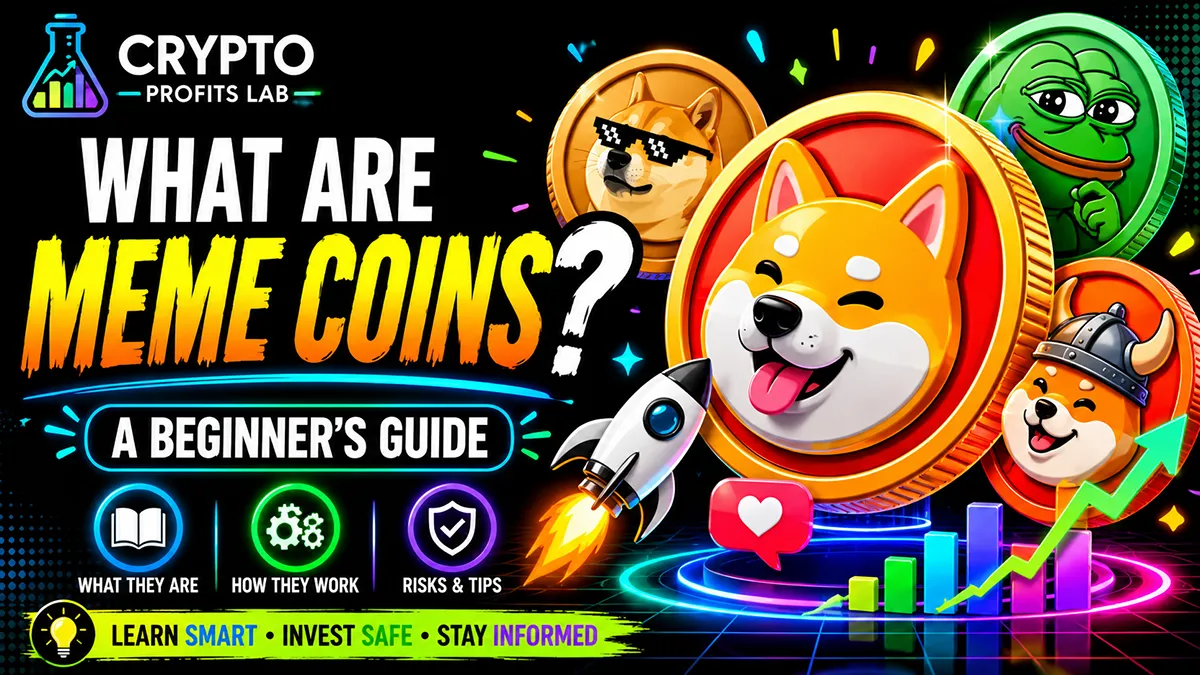
Meme coins are crypto assets inspired by internet jokes, viral trends, animals, pop culture, or online communities.
Some begin as jokes. Some grow into large communities. Some try to build apps, payments, games, or other features later. Others only exist because people are excited about the trend.
Unlike Bitcoin, which was created as a decentralized digital money system, many meme-based tokens rely heavily on attention. Their price often moves because of social media posts, influencer mentions, online communities, exchange listings, and fear of missing out.
In simple terms, meme coins are crypto assets where popularity and community attention often matter more than deep technology or proven utility.
That does not mean every one is automatically a scam. It does mean beginners should treat this category as highly speculative.
Key Takeaways
- Meme coins are usually inspired by jokes, animals, viral trends, or online culture.
- Prices can rise quickly, but they can also crash quickly.
- A strong online community does not guarantee long-term value.
- Many tokens in this category have limited utility or unclear project goals.
- Beginners should check market cap, liquidity, ownership, and wallet safety before buying.
- Never buy because of pressure, hype, or promises of guaranteed profit.
- Treat this category as high risk, not as a safe foundation for your crypto portfolio.
Beginner Facts Table
| Beginner Question | Simple Answer |
|---|---|
| What are meme coins? | Crypto assets inspired by online jokes, trends, or communities. |
| Are they the same as Bitcoin? | No. Bitcoin has a different purpose, history, and network design. |
| Why do prices move so fast? | Attention, hype, social media, and thin liquidity can move prices quickly. |
| Can they have real use cases? | Some try to build utility, but many rely mostly on community excitement. |
| Are they safe for beginners? | They are usually high risk and should be approached carefully. |
| Where can people buy them? | On centralized exchanges, decentralized exchanges, or wallet apps. |
| What is the biggest danger? | Buying into hype without understanding scams, liquidity, and volatility. |
Why These Tokens Became So Popular
Crypto is difficult for many beginners because it has unfamiliar words.
Blockchain, smart contracts, wallets, seed phrases, market cap, liquidity, and decentralized exchanges can all feel overwhelming.
A funny token is different.
It feels simple.
People understand a dog picture, a frog joke, or a viral meme immediately. They can share it with friends without explaining complex technology.
That simplicity is a major reason this category spreads so quickly.
A popular joke can turn into a community. A community can create social media buzz. Social media buzz can create demand. Demand can push price higher, at least for a while.
The problem is that attention can disappear just as quickly as it arrived.
A token may feel unstoppable during a hype cycle, then lose most of its value when the crowd moves on.
This is why beginners need to separate entertainment from investing.
How Meme Coins Work
From a technical view, many meme coins work like other crypto tokens.
A token may be created on an existing blockchain such as Ethereum, Solana, Base, BNB Smart Chain, or another network. The creator launches a smart contract, sets the supply rules, and makes the token available for trading.
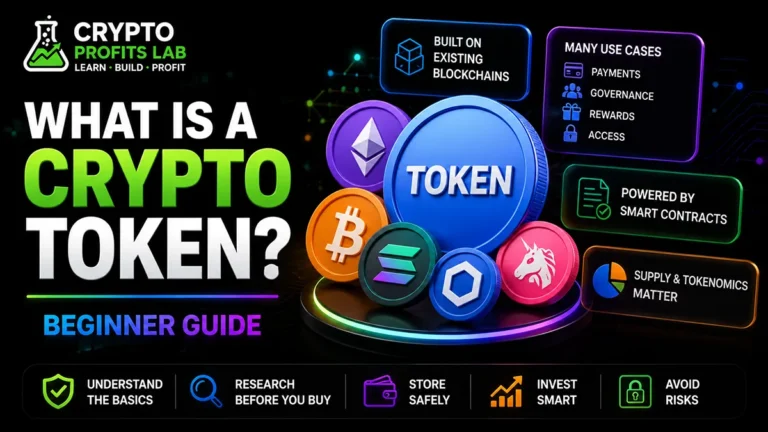
If you are unsure what a token is, start with what is a crypto token. That guide explains the difference between a coin that runs on its own blockchain and a token built on top of another blockchain.
Once the token exists, people may trade it through a decentralized exchange, a centralized exchange, or both.
A decentralized exchange lets users trade directly from a wallet. A centralized exchange is run by a company and usually feels easier for beginners.
You can learn the difference in centralized vs decentralized exchanges.
The important beginner point is this:
The token may be easy to buy, but that does not mean it is safe, useful, or fairly priced.
Meme Coin vs Regular Cryptocurrency
All crypto assets carry risk, but not all crypto assets are trying to do the same thing.
Bitcoin is often discussed as digital money and a store-of-value asset. Ethereum is known for smart contracts and decentralized apps. Stablecoins are designed to track another asset, usually the U.S. dollar.
A meme coin usually becomes popular because of culture, humor, community, and speculation.
Here is a simple comparison.
| Feature | Meme Coin | More Established Crypto Asset |
|---|---|---|
| Main reason people notice it | Humor, hype, community, trend | Network use, adoption, security, utility |
| Price movement | Often very fast and emotional | Still volatile, but may have deeper markets |
| Research focus | Supply, liquidity, holders, community, contract risk | Purpose, adoption, network activity, security, history |
| Beginner risk level | Usually very high | Varies, but often easier to research |
| Common mistake | Buying because it looks cheap | Assuming popularity removes risk |
If you are still new to the overall market, read what is cryptocurrency and crypto volatility before buying speculative assets.
Why the Price Can Move So Fast
The price of a crypto asset is affected by supply and demand.
When many people want to buy and fewer people want to sell, price can rise.
When many people want to sell and fewer people want to buy, price can fall.
With meme coins, price moves can be extreme because the demand is often emotional.
A viral post can bring in new buyers. A celebrity mention can create excitement. An exchange listing can make the token easier to access. A strong community can keep people talking about it.
But the reverse can happen too.
A negative rumor, a large holder selling, a failed launch, or a general crypto market downturn can cause a fast drop.
This is why beginners should not confuse a fast price rise with safety.
Fast movement often means higher risk.
The Role of Market Cap
Beginners often make one major mistake:
They look only at the price per token.
A token priced at $0.00001 may look cheap. A token priced at $100 may look expensive. But that comparison can be misleading.
Market cap is usually more useful.
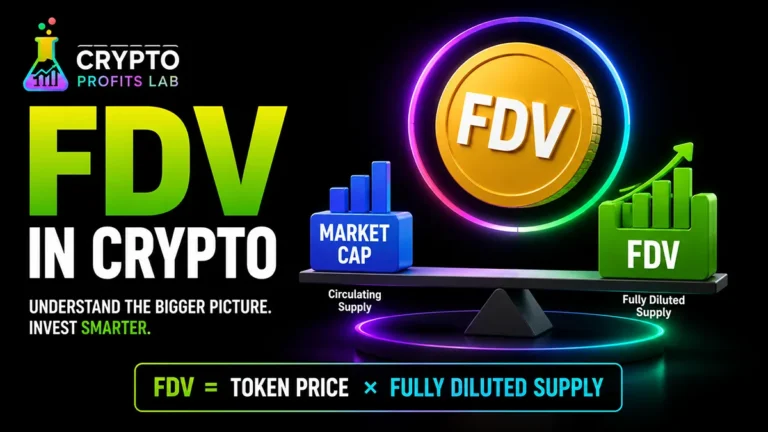
Market cap is the estimated total value of a crypto asset. It is commonly calculated by multiplying the token price by the circulating supply.
You can learn the beginner version in market cap crypto.
A token with a tiny price can still have a huge market cap if there are trillions of tokens. That means it may not be as “early” or “cheap” as it looks.
Before buying, ask:
- How many tokens exist?
- How many are already circulating?
- Can more be created later?
- Is the market cap realistic compared with similar projects?
This simple check can prevent a lot of beginner confusion.
Step-by-Step: How to Research Before Buying
Use this beginner process before buying a speculative token.
Step 1: Understand What You Are Buying
Ask what the project actually is.
Is it just a joke? Is it a community movement? Is there a website? Is there a roadmap? Are real people building anything around it?
You do not need a complicated answer, but you do need a clear one.
If the only reason to buy is “everyone online says it will pump,” that is not research.
Step 2: Check the Network
Find out which blockchain the token uses.
A token may be on Ethereum, Solana, Base, Polygon, BNB Smart Chain, or another network. This matters because your wallet, transaction fees, and transfer rules depend on the network.
If you are new to wallets, read what is a crypto wallet and crypto wallet address before sending funds.
Sending to the wrong network can create serious problems.
Step 3: Check Liquidity
Liquidity means how easily you can buy or sell without causing a large price change.
Low liquidity can be dangerous.
A chart may show a high price, but if there are not enough buyers, you may not be able to sell at that price.
Some scam tokens are designed so buying is easy and selling is difficult. This is one reason beginners should be very careful with unknown tokens on decentralized exchanges.
Step 4: Review Token Ownership
Look at whether a small number of wallets own a large amount of the supply.
If a few wallets control too much, they may be able to crash the price by selling.
You do not need to become an expert blockchain analyst, but you should understand the basic risk.
If a small group can dump on everyone else, the token is much riskier.
Step 5: Read the Community Carefully
Community can be powerful, but it can also become dangerous.
A healthy community allows questions. It explains risks. It does not attack people who ask for details.
Be careful when a group only repeats slogans like “never sell,” “guaranteed,” “next 100x,” or “buy before it is too late.”
Those phrases are emotional pressure, not evidence.
Step 6: Decide Your Risk Limit First
Do not decide your risk limit after the price drops.
Decide before you buy.
Ask yourself how much you can afford to lose without stress. Then keep the position small enough that a loss would not damage your real life.
This is especially important with meme coins because price swings can be sudden.
Step 7: Make a Plan Before the Trade
Know why you are buying.
Know what would make you sell.
Know whether you are holding for a short-term trade or a longer-term community bet.
Without a plan, emotions usually take over.
Common Beginner Mistakes
Mistake 1: Buying Because It Looks Cheap
A low price per token does not mean a good deal.
Large supply can make a token look cheap even when the total market value is already high.
Beginners should compare market cap, not just price.
Mistake 2: Believing Every Viral Post
Social media is full of hype.
Some posts are real opinions. Some are paid promotions. Some are bots. Some are coordinated campaigns.
A viral post does not prove that a project is safe.
Mistake 3: Ignoring Big Holders
Large holders can move the market.
If a few wallets own a huge part of the supply, they may sell into new demand and push the price down.
This can hurt late buyers.
Mistake 4: Using Money Needed for Bills
Never use rent money, bill money, emergency savings, or borrowed money to buy a speculative crypto asset.
Crypto can move against you quickly.
A beginner should never let online excitement create real-life financial stress.
Mistake 5: Not Understanding the Exchange
Some tokens are listed on major exchanges. Others are only available through decentralized exchanges.
A decentralized exchange can be useful, but it also requires more responsibility. You connect your wallet, approve transactions, and pay network fees.
Read what is a DEX before using one.
Mistake 6: Skipping Wallet Safety
Wallet safety matters even when the token feels fun.
Do not connect your wallet to random websites. Do not share your seed phrase. Do not approve transactions you do not understand.
Review crypto safety tips before experimenting with new tokens.
Meme Coin Risks Beginners Should Understand
Meme coins can be risky for several reasons.
First, the price can depend heavily on attention. If attention fades, demand can disappear.
Second, some projects have little real utility. A fun brand may not be enough to support long-term value.
Third, scams are common in high-hype markets. Fake tokens, copycat contracts, phishing websites, fake airdrops, and pump-and-dump groups often target beginners.
Investor.gov warns that fraudsters may use crypto assets, including so-called memecoins, in pump-and-dump schemes. You can read the official Investor.gov crypto scams alert for more safety guidance.
Fourth, liquidity can disappear. You may see a price on a chart, but selling can be hard if buyers are gone.
Fifth, emotions can take over. A community can make people feel like they are part of something bigger. That feeling can be exciting, but it can also lead to rushed decisions.
Before buying meme coins, beginners should understand that the biggest risk is not only price movement. The bigger risk is making a decision because of pressure instead of research.
Are They Always Bad?
No.
It would be too simple to say every meme-based asset is bad.
Some have large communities, long histories, exchange listings, and active development. Dogecoin is the most famous example. Shiba Inu is another well-known community-driven token.
You can learn more in what is Dogecoin and what is Shiba Inu.
The important point is that popularity does not remove risk.
A well-known token can still fall sharply.
A large community can still lose interest.
A funny brand can still be attached to a weak investment.
Beginners should treat meme coins as speculation, not as a guaranteed path to profit.
How Much Should a Beginner Buy?
There is no perfect number for everyone.
A beginner should usually think of this category as high-risk speculation, not the foundation of a portfolio.
If someone is still learning crypto, it may be smarter to focus first on education, security, and major concepts.
If a beginner chooses to buy, the amount should be small enough that a total loss would not create financial stress.
A crypto portfolio is the full mix of assets someone owns. It may include larger crypto assets, stablecoins, smaller altcoins, and speculative positions.
Read crypto portfolio for beginners before putting too much money into one idea.
A speculative token may be a small part of a plan for some people.
It should not be the whole plan.
Should Beginners Trade Them?
Beginners should be very careful with short-term trading.
Fast price movement can look like opportunity, but it often leads to emotional decisions.
Many beginners buy after a big price run because they fear missing out. Then they panic when the price drops.
Before trading, learn the difference between market order vs limit order crypto. A market order fills quickly, but the final price may be worse than expected in a fast market. A limit order lets you choose a price, but it may not fill.
Trading meme coins without understanding orders, liquidity, and volatility is risky.
Holding them can also be risky if the community fades.
There is no risk-free strategy.
Beginner Safety Checklist
Use this checklist before buying.
| Question | Why It Matters |
|---|---|
| Do I understand the token? | Helps avoid buying only because of hype. |
| Do I know the network? | Helps prevent wallet and transfer mistakes. |
| Is liquidity strong enough? | Helps determine whether selling may be possible. |
| Are holders too concentrated? | Reduces the risk of a few wallets dumping. |
| Is the community realistic? | Helps avoid emotional group pressure. |
| Am I using money I can lose? | Protects your real-life finances. |
| Did I check scam warnings? | Reduces phishing and fake token risk. |
| Do I have a plan? | Prevents panic decisions after price moves. |
If several answers are unclear, slow down.
There will always be another opportunity in crypto.
Final Thoughts
Meme coins are easy to notice because they are fun, social, and simple on the surface.
That is exactly why beginners need to be careful.
A funny logo and an excited community do not automatically create long-term value. A fast price rise does not prove that a token is safe. A viral post does not replace research.
Some meme-based tokens become famous. Many disappear. Some communities are honest and active. Others are built around short-term hype.
The safer beginner approach is to stay calm, learn the basics, and avoid pressure.
Understand market cap, liquidity, wallets, exchanges, volatility, and scams before buying speculative assets.
Crypto Profits Lab is built to make crypto education cleaner, simpler, and more trustworthy for beginners. That means explaining the fun parts of crypto while also being honest about the risk.
Meme coins may be part of the crypto world, but they should never be treated like guaranteed profits.
FAQs About Meme Coins
What are meme coins in crypto?
Meme coins are crypto assets inspired by internet jokes, animals, viral trends, pop culture, or online communities. They often gain attention through social media and community excitement instead of strong technology or proven utility. Some become well known, but they are usually highly speculative and risky for beginners.
Are meme coins good for beginners?
They are usually not the best starting point for complete beginners because prices can change quickly and hype can be misleading. A beginner should first learn crypto basics, wallet safety, market cap, volatility, and scams. If someone still buys, it should be with a small amount they can afford to lose.
Why do meme coins go up so fast?
They can rise quickly when social media attention, influencer mentions, exchange listings, or community excitement creates sudden demand. Because many buyers are speculating, price moves can become extreme. The same attention can fade quickly, so prices can also fall fast when buyers lose interest or large holders sell.
Can meme coins have real utility?
Yes, some try to build real utility such as payments, games, NFTs, staking, or community tools. However, many rely mostly on attention and trading activity. Beginners should check whether a project has real users, transparent development, and clear value beyond the joke before treating it as more than speculation.
What is the biggest risk of buying meme coins?
The biggest risk is losing money because of hype, scams, low liquidity, sudden selling, or weak project fundamentals. Some tokens are promoted heavily and then abandoned. Others may be fake copies of popular projects. Beginners should avoid buying based only on social media excitement or promises of fast profits.
How do I know if a meme coin is a scam?
Warning signs include guaranteed profit claims, fake giveaways, anonymous pressure campaigns, unclear token supply, suspicious wallet approvals, copied websites, and groups that rush people to buy. A safer project should allow questions and provide clear information. Beginners should be especially careful with random links shared in social media groups.
Is Dogecoin a meme coin?
Yes, Dogecoin is widely known as the original meme-based cryptocurrency. It began as a joke inspired by internet culture, then developed a large community and became one of the most recognized crypto assets. Even with that history, Dogecoin remains volatile, so beginners should still research carefully before buying.
Should I hold meme coins long term?
Long-term holding is risky because attention can fade, communities can weaken, and prices can fall sharply. Some well-known projects may survive for years, but many smaller tokens disappear. Beginners should decide their risk limit before buying and avoid making this category the main part of their crypto portfolio.