What Is a Crypto Honeypot Scam? Beginner Safety Guide
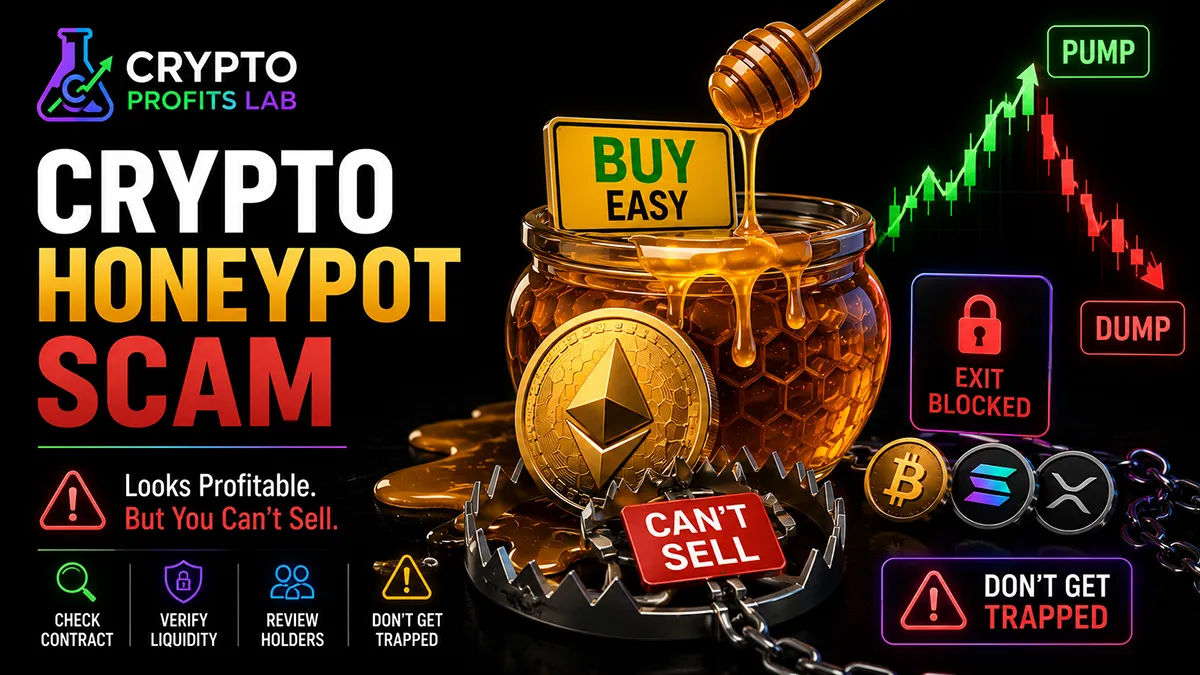
A new token can look exciting when its price rises and social media users appear to make quick profits. The danger is that buying may be easy while selling is impossible.
A crypto honeypot scam is a trap designed to attract buyers or other users into a malicious token, smart contract, wallet, or investment setup. The victim can deposit cryptocurrency, but hidden rules or deceptive instructions prevent them from withdrawing it.
This guide explains how the trap works, the warning signs beginners should recognize, and the checks you can perform before connecting a wallet or purchasing an unfamiliar token.
Quick Answer
A crypto honeypot scam uses an attractive opportunity to lure people into depositing, buying, or interacting with cryptocurrency. In a common-token version, a smart contract allows ordinary users to buy the token but prevents them from selling it. The creator or approved addresses may still be able to sell.
The price can rise because purchases continue while normal selling is restricted. That rising chart may attract even more buyers. When the creator removes liquidity, sells privileged tokens, changes contract settings, or abandons the project, victims may be left with tokens they cannot trade.
The safest approach is to avoid rushed purchases, research the token contract, examine liquidity and holder distribution, test whether normal selling is possible, and never trust a promotion simply because the chart is rising.
Key Takeaways
- A crypto honeypot scam is designed to lure people into a trap that is difficult or impossible to escape.
- Some malicious tokens allow buying but block selling for ordinary wallets.
- A rising price does not prove that real buyers can sell at that price.
- Hidden contract rules may restrict transfers, change fees, blacklist wallets, or give the creator special control.
- Low liquidity, concentrated ownership, anonymous promotion, and unrealistic promises increase risk.
- A tiny test purchase does not always prove a larger sale will work.
- Token-scanning tools can help identify warning signs, but no automated tool guarantees safety.
- Never enter a seed phrase or private key on a website that claims to check or unlock a token.
- Use a separate low-value wallet when exploring unfamiliar decentralized applications.
- Research the project, contract, liquidity, and selling conditions before risking money.
Crypto Honeypot Scam Beginner Facts
| Question | Beginner-Friendly Answer |
|---|---|
| What is a honeypot? | It is an attractive-looking opportunity designed to trap whoever interacts with it. |
| Can I buy a honeypot token? | Often yes. The trap commonly appears only when an ordinary holder tries to sell or transfer it. |
| Why does the price rise? | Buying may continue while selling is blocked, limited, or heavily taxed. |
| Does every unsellable token involve fraud? | No. Network problems, low liquidity, trading pauses, or wallet errors can also prevent a sale. |
| What controls the restrictions? | The token’s smart contract may contain rules that limit who can sell, transfer, or change settings. |
| Can the creator sell? | The contract may exempt the creator or selected wallets from restrictions applied to other holders. |
| Can a scanner detect every trap? | No. Scanners may miss new, hidden, or changeable behavior. |
| What is the safest choice when something looks suspicious? | Do not buy, connect, approve, sign, or send funds until the risk is clearly understood. |
What Does “Honeypot” Mean in Crypto?
The word “honeypot” is used in cybersecurity in more than one way. Security teams may create defensive honeypots to attract attackers and study their behavior. That legitimate use is not the focus of this article.
In crypto investing and decentralized trading, a crypto honeypot scam is a deceptive setup that appears profitable or vulnerable but contains a hidden trap.
The trap may be a buy-only token, an extreme selling fee, a blocked withdrawal, a fake wallet, or a contract that appears profitable but contains hidden conditions.
The mechanics differ, but the basic idea is the same: the victim sees an attractive opportunity, commits funds, and discovers that the exit was never equal or honest.
How Does a Crypto Honeypot Scam Work?
A common token honeypot follows a predictable pattern.
Step 1: The Scammer Creates or Controls a Token
The creator adds custom rules to a crypto token through its smart contract. Hidden code can block wallets, change fees, pause transfers, limit sales, or exempt insiders.
A crypto honeypot scam does not need to block every transaction immediately. Delayed or selective restrictions can make the token appear normal while more buyers enter.
Step 2: Liquidity Is Added
To trade on a decentralized exchange, a token is paired with another asset in a liquidity pool. The pool can make it look tradeable even when hidden restrictions prevent ordinary holders from exiting.
Step 3: Promotion Attracts Buyers
Promotion may spread through social media, private groups, paid influencers, fake partnerships, trending lists, giveaways, or bot activity.
The promoter may emphasize a fast-rising chart, a small market value, or predictions of large returns. The goal is to trigger crypto FOMO before people examine the contract.
Step 4: Purchases Push the Price Higher
When more people buy through the pool, the quoted price can rise. If ordinary users cannot sell, normal downward pressure is missing.
This makes the chart especially misleading. The price may appear strong because the contract has prevented the market from functioning normally.
A crypto honeypot scam can therefore create the appearance of demand and success while holders are becoming trapped.
Step 5: Buyers Discover the Exit Problem
A sale may fail with a vague error. It may process but return almost nothing because of an extreme tax. The contract may permit only a tiny sale or reject transfers from the victim’s address.
Some victims repeatedly increase their slippage setting because they assume the exchange is malfunctioning. That can expose them to worse pricing without solving the underlying restriction.
Step 6: The Creator Takes the Value
The creator may sell through exempt wallets, withdraw liquidity, change contract settings, transfer collected assets, or abandon the project.
The victim still sees tokens in the wallet, but the displayed balance may not represent money that can actually be recovered.
Common Types of Crypto Honeypot Scam
A crypto honeypot scam can use several methods. Beginners do not need to understand every line of code, but knowing the main patterns helps.
Buy-Only Token
Purchases succeed, but sales from ordinary addresses fail. The creator or approved insiders may remain able to sell, so the problem appears only when victims try to exit.
Blacklist or Whitelist Trap
A contract may block selected wallets or permit only approved addresses to trade freely. These controls create serious risk when the creator can apply them secretly or without clear limits.
Extreme Sell-Tax Trap
Selling technically works, but a fee near 100% leaves the holder with little or nothing. The creator may also increase fees after the token gains attention.
Transfer and Approval Traps
The contract may restrict the size, timing, or destinations of sales. A tiny test sale might succeed, while a meaningful sale might fail.
A dishonest website may also combine the token trap with a dangerous crypto token approval involving other assets.
Liquidity Trap
The creator controls most liquidity and removes it, making meaningful sales difficult. This overlaps with a crypto rug pull.
Fake Wallet or Seed-Phrase Honeypot
A scammer may post a wallet’s seed phrase and claim the wallet contains valuable tokens. The victim imports the wallet and sends in the network coin needed for fees. An automated system immediately transfers that gas money out, while the visible assets remain impossible to move.
Never import or fund a stranger’s wallet. A publicly shared crypto seed phrase should be treated as compromised.
Fake Investment Platform
A website shows profits and accepts deposits but blocks withdrawals unless the victim pays more fees. It follows the same pattern: easy entry and a dishonest exit.
Crypto Honeypot Scam vs. Rug Pull
A crypto honeypot scam and a rug pull can result in similar losses, but their underlying mechanisms differ.
A honeypot usually traps users through contract rules, withdrawal restrictions, fake wallet conditions, or other hidden barriers. The victim may be unable to sell from the beginning.
A rug pull usually involves project insiders withdrawing liquidity, abandoning the project, exploiting control, or selling a large insider supply after attracting investors.
A token can be both. The contract may block ordinary sales while the creator later removes liquidity. The label matters less than recognizing that the creator has unfair control over whether users can exit.
Crypto Honeypot Scam vs. Pump and Dump
A crypto pump and dump uses coordinated promotion and selling to transfer losses to late buyers. Participants may still be technically able to sell, but the price collapses when insiders exit.
A crypto honeypot scam may prevent ordinary selling altogether. The rising price can resemble a pump, but the contract itself interferes with the exit.
Both schemes use excitement, urgent promotion, and rising charts. Both deserve careful research before buying.
Why a Rising Chart Can Be Misleading
A price chart records completed trades. It does not automatically indicate whether all holders have equal trading rights.
A honeypot chart may show many buys, very few sells, a nearly continuous rise, and only a few successful exits from selected wallets. Beginners may interpret the absence of selling as confidence when users may actually be trying and failing to sell.
Use a trusted blockchain explorer to review transaction history, holder addresses, contract details, and liquidity activity. Public data can reveal clues, but reading it correctly still requires care.
Warning Signs of a Crypto Honeypot Scam
No single sign proves that a token is malicious. Several together should stop you from buying.
Almost No Normal Sell Transactions
A token with many buys but few sells deserves investigation. Check whether the sells come only from the creator or connected wallets.
Unverified Contract Code
Verified source code allows researchers and tools to compare the published code with the contract running on the blockchain. Verification does not guarantee honesty, but the absence of code removes an important layer of transparency.
Creator Can Change Trading Rules
Owner privileges may allow sudden changes to taxes, blacklists, transfer limits, pausing, minting, and exemptions after buyers enter.
Low or Unlocked Liquidity
Low crypto liquidity can lead to extreme price movements. If insiders can remove most of the pool, holders face additional risk.
Concentrated Holder Distribution
A few wallets may control most of the supply. Those wallets may belong to the creator, related insiders, or automated trading accounts.
Anonymous Promotion With Urgent Claims
Anonymous teams are not automatically dishonest, but secrecy combined with guaranteed returns, countdowns, and pressure is dangerous.
Copied Claims or Suppressed Complaints
A professional website may use copied text, fake team photos, or unverifiable claims. Review the crypto whitepaper and investigate complaints about users being unable to sell.
Requests for Your Seed Phrase
No legitimate scanner, exchange, developer, or support agent needs your seed phrase to check whether a token is sellable.
7 Proven Ways to Avoid a Crypto Honeypot Scam
The following process cannot eliminate all risks, but it can help beginners avoid obvious traps.
Step 1: Slow Down the Purchase
Do not buy because a token is trending, a timer is counting down, or a promoter says the opportunity will disappear.
A crypto honeypot scam benefits from speed. Look for evidence from sources that are not influenced by your purchase.
Step 2: Verify the Correct Contract Address
Token names and symbols can be copied. Several unrelated tokens may use the same name.
Obtain the contract address from verified official channels and compare every character. A crypto wallet address or contract address can point to a completely different location after one wrong character.
Step 3: Review Contract and Ownership Risks
Check whether the contract code has been verified and whether reputable security tools identify any unusual controls.
Look for the creator’s ability to:
- Change transaction taxes
- Block wallets
- Pause transfers
- Limit sales
- Mint more tokens
- Exempt insider addresses
- Replace important contract logic
- Move or remove liquidity
The goal is to identify whether one party has enough control to trap ordinary holders.
Step 4: Inspect Real Buy and Sell Activity
Use an explorer and reliable analytics tools to examine recent trades.
Check whether many unrelated wallets can sell meaningful amounts, whether only privileged wallets appear to exit, and whether failed transactions or sudden liquidity changes are common.
A crypto honeypot scam may allow selected sells to create a false appearance of normal trading.
Step 5: Examine Liquidity and Holder Distribution
Check the size of the liquidity pool, who supplied it, whether it is locked, and when any lock expires.
Examine the largest holders. A token is riskier when related wallets control most of the supply or liquidity. “Locked liquidity” addresses only one risk.
Step 6: Use Tools Carefully and Separate Your Wallets
Scanners and transaction simulators may identify known warning signs, but results can be wrong. Never enter a private key or seed phrase into a scanner.
Use a separate low-value wallet for unfamiliar applications and review every connection, signature, and approval.
Step 7: Walk Away When the Exit Is Unclear
Do not purchase a token until you understand how ordinary holders can sell it.
Ledger describes a honeypot crypto scam as a malicious smart-contract trap that attracts victims with the prospect of returns or rewards.
No potential gain is worth entering a contract you cannot evaluate. Missing one token is better than owning a balance you cannot sell.
Why a Small Test Trade Is Not a Guarantee
Beginners are often told to make a tiny purchase and then sell it. A test can provide useful information, but it is not complete protection.
A malicious contract may allow small sales but block large ones, activate restrictions later, change fees, whitelist certain addresses, or remove liquidity after a test succeeds.
A test should be one part of a broader review, not proof that the project is safe.
What to Do If You Bought a Honeypot Token
Discovering that a token cannot be sold is stressful. Avoid turning one loss into a larger one.
Stop Sending Additional Funds
Do not pay a website or support account to “unlock” selling. Additional fees are often another part of the scam.
Confirm the Contract Address
Make sure you purchased the intended token and selected the correct network. A copied token may be different from the real project.
Check Network and Exchange Conditions
A failed sale does not automatically prove a crypto honeypot scam. Confirm that the network is operating, that the pool still has liquidity, that your wallet has enough gas, and that your transaction settings are reasonable.
Do Not Keep Raising Slippage Blindly
Crypto slippage is the difference between the expected trade price and the final price. Extremely high settings can result in a very poor trade and may expose you to automated trading bots.
Revoke Unnecessary Approvals
If you connected to a suspicious site or approved contracts, review and revoke permissions through trusted network tools. Revoking an approval does not make the honeypot token sellable, but it may reduce risk to other approved assets.
Preserve and Report Evidence
Record the website, social accounts, contract address, wallet addresses, screenshots, and crypto transaction hash. Report suspicious activity to relevant platforms, services, and authorities.
Avoid Recovery Scammers
Someone may contact you and promise to recover the money in exchange for an upfront payment or a seed phrase. This is a common follow-up tactic. Review crypto scams to avoid before accepting help.
Common Beginner Mistakes
Trusting the Rising Price
A chart can rise because selling is restricted. Price movement alone does not prove a healthy market.
Buying From a Token Name Instead of a Contract Address
Scammers can copy names, symbols, websites, and logos. Verify the exact contract.
Assuming a DEX or Liquidity Lock Proves Safety
Many decentralized exchanges allow anyone to create a pool. Availability or locked liquidity does not mean the token was audited or endorsed.
Depending on One Scanner
Automated tools may miss new logic or produce false reassurance. Combine tools with research on contracts, transactions, holders, and projects.
Connecting a Main Wallet
An unfamiliar site may request permissions beyond the token you intended to trade.
Sharing Wallet Secrets With Support
Legitimate support does not need your seed phrase or crypto private key.
Chasing the Loss
Buying more does not solve an inability to sell. It increases the amount trapped.
Safety and Risk Considerations
Trading newly created tokens through decentralized markets carries technical, liquidity, market, and fraud risk.
A crypto honeypot scam may be difficult for beginners to identify because the contract can look normal, the website can appear professional, and the chart can show rapid gains.
Keep primary savings separate from experimental trading, use a low-value wallet for unfamiliar applications, verify contract addresses, read requests before signing, limit approvals, and keep seed phrases offline. Follow the broader crypto safety tips and risk only money you can afford to lose completely.
Final Thoughts
A crypto honeypot scam is dangerous because the opportunity can look successful right up until the moment you try to leave. The token may show a rising price, active buyers, attractive branding, and enthusiastic community messages while hidden rules prevent normal holders from selling.
The best protection is a process: verify the contract, inspect controls, review real selling activity, study liquidity and holders, and walk away when the exit is unclear.
Crypto Profits Lab makes complicated crypto topics cleaner, simpler, and more trustworthy for beginners. You do not need to read every line of code to recognize when control, transparency, and exit conditions do not add up.
Crypto Honeypot Scam Frequently Asked Questions
Can a crypto honeypot scam let me buy but not sell?
Yes. A common token honeypot allows ordinary wallets to buy while blocking, limiting, or heavily taxing sales. The creator or approved wallets may be exempt from those rules. The chart can continue to rise because purchases occur while normal selling pressure is restricted. Always review real sell transactions and contract controls before purchasing an unfamiliar token.
Why does my token sale keep failing?
A sale can fail due to insufficient gas, incorrect network settings, low liquidity, excessive price volatility, a paused market, or malicious contract restrictions. Confirm the token contract and network first. Do not keep raising slippage or paying strangers for help. Repeated failures affecting many ordinary holders may indicate a crypto honeypot scam.
Can a honeypot scanner guarantee a token is safe?
No. A scanner can test known contract patterns, simulate trades, and highlight risky permissions, but it cannot guarantee honest behavior. Contracts may be upgradeable, restrictions may activate later, and creators may control liquidity or related wallets. Use scanners as one part of a wider review that includes contract ownership, real trading activity, liquidity, distribution, and project credibility.
Is every token with a high sell tax a honeypot?
No. Some projects openly use transaction taxes to fund, reward, or provide liquidity. However, unusually high, hidden, or variable sales taxes pose serious risk. Review the published fee structure and the creator’s ability to change it. A tax that removes nearly all of the sale proceeds can make a token function like a honeypot, even when the sale technically succeeds.
Can locked liquidity prevent a crypto honeypot scam?
Locked liquidity may stop the liquidity provider from removing certain pool assets before the lock expires, but it does not prove the token contract is safe. The creator may still change fees, block wallets, mint tokens, or use privileged addresses. Always examine both the liquidity arrangement and the contract’s ownership powers before buying.
Is a crypto honeypot scam the same as a rug pull?
Not exactly. A honeypot commonly traps users by offering sales, transfers, withdrawals, or contract restrictions. A rug pull usually involves insiders removing liquidity, abandoning the project, or using control to drain value. The two can overlap. A malicious token may block ordinary sales and later have its liquidity removed by the same creator.
What should I do after buying a honeypot token?
Stop adding money and avoid anyone who promises an easy unlock. Confirm the network, contract, gas balance, liquidity, and transaction settings. Revoke suspicious approvals through trusted tools, preserve the contract address and transaction records, and report the project. Never provide a seed phrase or private key to a person offering recovery assistance.
Can I recover money lost to a crypto honeypot scam?
Recovery is uncertain because blockchain trades and transfers are often irreversible. Preserve all evidence, contact any exchanges or services involved, and report the incident to the appropriate platforms and authorities. Be especially cautious of recovery services demanding an advance fee, wallet connection, or seed phrase. Those offers may be a second scam targeting previous victims.