What Is a Crypto Exchange? Beginner Guide
Quick Answer
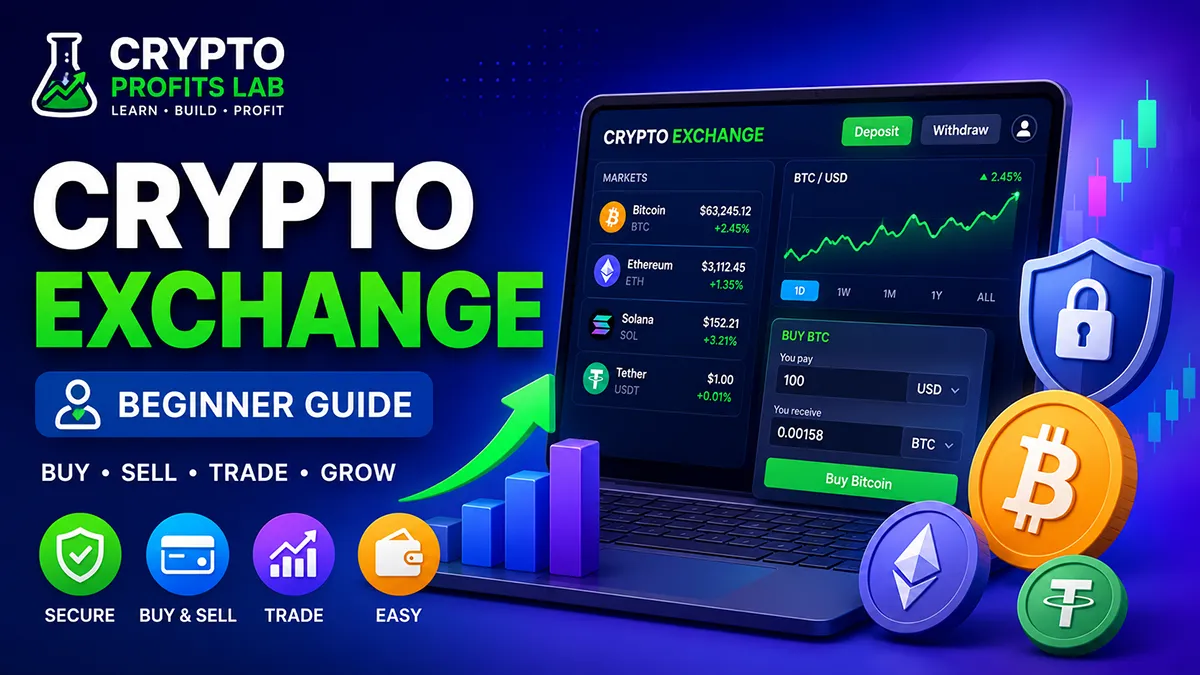
A crypto exchange is a website or app where beginners can buy, sell, and trade cryptocurrency. It works a little like an online marketplace for digital assets such as Bitcoin, Ethereum, stablecoins, XRP, and other crypto coins or tokens.
For most beginners, a crypto exchange is the first place they go when they want to buy crypto with dollars. You create an account, verify your identity, connect a payment method, choose a cryptocurrency, and place an order.
The important thing to understand is that not every platform is the same. Some are easier for beginners. Some have lower fees. Some offer more coins. Some give you more control over your crypto, while others hold the crypto for you.
A crypto exchange can be helpful, but it also comes with risks. Beginners should learn how exchanges work before depositing money, buying coins, or moving funds to a wallet.
Key Takeaways
- A crypto exchange is an online platform for buying, selling, and trading cryptocurrency.
- Beginners often use exchanges to buy their first Bitcoin, Ethereum, or stablecoins.
- Centralized exchanges are usually easier for beginners, but they hold your account access.
- Decentralized exchanges give users more control but can be harder to use.
- Fees, security, supported coins, and withdrawal rules matter.
- Beginners should enable two-factor authentication and avoid rushing into trades.
- A crypto exchange is not the same as a crypto wallet.
Beginner Facts About Crypto Exchanges
| Topic | Simple Meaning | Why It Matters |
|---|---|---|
| Crypto exchange | A platform for buying, selling, or trading crypto | Most beginners use one to get started |
| Centralized exchange | A company-run exchange with user accounts | Usually easier for beginners |
| Decentralized exchange | A blockchain-based exchange without a normal company account | Gives more control but has more learning curve |
| Trading fee | A cost charged when you buy or sell | Fees can reduce profits over time |
| Withdrawal | Moving crypto or cash off the exchange | Important for control and safety |
| Stablecoin | A crypto designed to track a stable value, often the U.S. dollar | Commonly used for trading and transfers |
| 2FA | Extra login security using an app or code | Helps protect your account |
What Is a Crypto Exchange?
A crypto exchange is an online platform that lets people buy, sell, and trade cryptocurrency. Instead of walking into a bank or brokerage office, you use a website or mobile app.
For example, a beginner may use an exchange to buy Bitcoin with a debit card, bank transfer, or cash balance. Another person may use an exchange to trade one crypto for another. A more experienced user may use advanced charts, limit orders, or decentralized tools.
At the beginner level, the main purpose is simple: a crypto exchange helps you turn regular money into crypto or crypto back into regular money.
This matters because cryptocurrency does not usually appear in your normal bank account. You need a place to buy it, sell it, and sometimes store it for a short time. That is where exchanges come in.
Before going further, it helps to understand the basic idea of what cryptocurrency is. Cryptocurrency is digital money or a digital asset that runs on blockchain technology. A crypto exchange gives people a practical way to access those assets.
Why Beginners Use a Crypto Exchange
Most beginners use a crypto exchange because it is the easiest starting point. You do not need to understand every technical detail before buying a small amount of crypto. The platform handles many of the steps for you.
A beginner-friendly exchange may let you:
- Create an account
- Connect a bank account or debit card
- Buy Bitcoin, Ethereum, or stablecoins
- Sell crypto back into dollars
- View basic price charts
- Send crypto to a wallet
- Track your account balance
This can make crypto feel more familiar. It looks similar to other financial apps, even though the assets are different.
A crypto exchange can also help beginners learn slowly. You can start with a small amount, test how buying works, and learn how deposits and withdrawals work before taking bigger steps.
That said, easy does not mean risk-free. You still need to understand fees, security, taxes, and account safety. If you plan to buy your first crypto soon, read How to Buy Crypto for Beginners after this guide.
How a Crypto Exchange Works
A crypto exchange connects buyers and sellers. When you place an order, the platform helps match your request with available crypto in the market.
Here is the simple version:
- You create an account.
- You verify your identity if required.
- You deposit cash or crypto.
- You choose the crypto you want to buy or sell.
- You place an order.
- The exchange completes the transaction.
- Your balance updates in your account.
Behind the scenes, the platform may use an order book. An order book is a list of buy and sell offers. Beginners do not need to master this right away, but it helps to know that prices can move because many people are buying and selling at the same time.
Some platforms make buying very simple with a “Buy” button. Others offer more advanced trading screens. If you are brand new, start with the simple tools first. You can learn advanced order types later.
For example, market orders and limit orders can affect the price you pay. A market order buys right away at the current available price. A limit order lets you choose the price you are willing to pay. You can learn the difference in Market Order vs Limit Order Crypto.
Step-by-Step: How Beginners Use a Crypto Exchange
Step 1: Choose a beginner-friendly platform
Start with a platform that is easy to understand, has clear fees, supports the coins you want, and has strong security features. Beginners should avoid confusing platforms with too many advanced trading tools at first.
If you want a simple comparison, read Best Crypto Exchange for Beginners.
Step 2: Create your account
You usually need an email address, password, and identity verification. Identity verification may include your legal name, address, date of birth, and a photo ID. This is common on regulated centralized exchanges.
Use a strong password that you do not use anywhere else.
Step 3: Turn on two-factor authentication
Two-factor authentication, also called 2FA, adds another layer of login protection. Instead of only using a password, you also use a code from an authenticator app or another approved method.
This is one of the first safety steps every beginner should take. Learn more in Crypto 2FA.
Step 4: Add a payment method
Many exchanges let you connect a bank account, debit card, or other payment option. Each method may have different fees and processing times.
Bank transfers may be cheaper but slower. Debit card purchases may be faster but often cost more.
Step 5: Start small
Beginners should not deposit a large amount right away. Start small so you can learn how the app works. You can practice buying, selling, and reviewing fees without putting too much money at risk.
Step 6: Choose the crypto you want to buy
Many beginners start with Bitcoin, Ethereum, or stablecoins. Before buying, learn what the asset does and why you are buying it. Do not buy only because it is trending online.
If you are researching Bitcoin first, read What Is Bitcoin?. If you are learning about stablecoins, read What Are Stablecoins?.
Step 7: Review the fee and order details
Before clicking buy, check the amount, price, fee, and payment method. Some beginner screens make purchases look simple, but the fee may still be higher than expected.
Step 8: Decide whether to leave crypto on the exchange or move it
Many beginners leave small amounts on the exchange while learning. For larger amounts or long-term holding, it may be safer to learn about wallets.
A crypto wallet gives you more control over your crypto, but it also requires more personal responsibility.
Centralized vs Decentralized Crypto Exchanges
There are two main types of exchanges beginners should understand: centralized exchanges and decentralized exchanges.
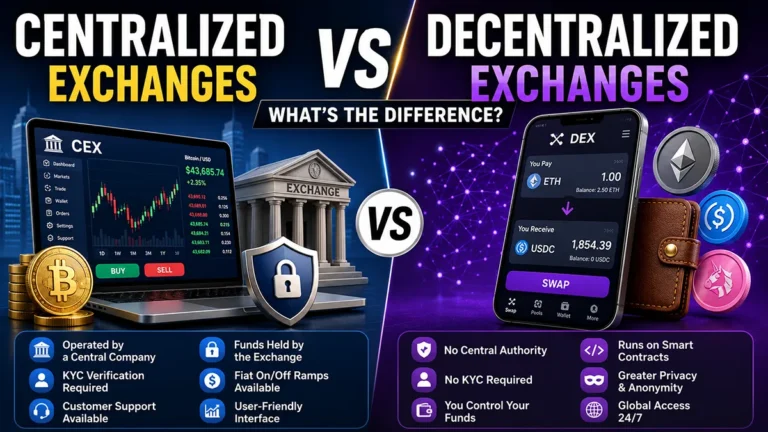
A centralized exchange is run by a company. You create an account, log in with a password, and often complete identity verification. The company manages the platform, customer support, and many security systems.
A decentralized exchange works differently. It runs through blockchain-based smart contracts. A smart contract is a program that follows rules on a blockchain. Instead of creating a normal account, users connect a wallet and trade directly from that wallet.
For most beginners, centralized platforms are easier. They usually have simpler apps, customer support, and familiar payment methods. Decentralized platforms can offer more control, but they require more experience with wallets, networks, gas fees, and transaction approvals.
A crypto exchange can be either centralized or decentralized, but the beginner experience is very different. To compare both types in more detail, read Centralized vs Decentralized Exchanges. You can also read What Is a DEX? if you want a beginner explanation of decentralized exchanges.
Crypto Exchange vs Crypto Wallet
A crypto exchange and a crypto wallet are not the same thing.
An exchange is where you buy, sell, or trade crypto. A wallet is a tool used to store and manage access to crypto.
Here is a simple way to think about it:
| Tool | Main Purpose | Beginner Example |
|---|---|---|
| Crypto exchange | Buy, sell, and trade crypto | Buying Bitcoin with dollars |
| Crypto wallet | Store and manage crypto access | Holding Bitcoin in your own wallet |
| Wallet address | Receive crypto | Copying an address to receive funds |
| Private key | Controls access to crypto | Must stay secret |
When crypto stays on an exchange, the platform may control important parts of the storage process. This is convenient, but it means your access depends on the account, password, platform rules, and company security.
When crypto is in your own wallet, you have more control. But you also must protect your seed phrase, private key, and wallet access. If you lose them, there may be no easy recovery.
Before moving funds, learn what a crypto wallet address is and what a crypto private key is. These basics can help you avoid costly mistakes.
What Fees Do Crypto Exchanges Charge?
Fees are one of the biggest things beginners overlook. A crypto exchange may charge fees for buying, selling, trading, depositing, or withdrawing.
Common fees include:
- Trading fees
- Spread fees
- Debit card fees
- Bank transfer fees
- Withdrawal fees
- Network fees
A trading fee is the cost of placing a buy or sell order. A spread is the difference between the price you see and the price the platform can actually fill. Some beginner-friendly apps include costs in the displayed price, which can make fees less obvious.
Withdrawal fees may apply when you move crypto off the exchange. Network fees may also apply because blockchains need fees to process transactions. On some networks, these are called gas fees. Learn more in What Are Crypto Gas Fees?.
The main lesson is simple: always review the final confirmation screen before buying, selling, or withdrawing.
Is a Crypto Exchange Safe?
A crypto exchange can be safe to use, but no platform is risk-free. Safety depends on the company, security settings, user habits, and the type of crypto activity involved.
Beginners should look for:
- Strong account security
- Two-factor authentication
- Clear fee information
- Easy withdrawal options
- Good educational resources
- Transparent company information
- A reputation for reliability
Before using any exchange, beginners should understand what crypto assets are and why they can carry unique risks compared with traditional investments.
Even if a platform looks trustworthy, you still have responsibility. Use a strong password. Turn on 2FA. Avoid suspicious links. Do not share login codes. Do not send funds because someone online promises guaranteed profits.
For a broader beginner checklist, read Crypto Safety Tips and Crypto Scams to Avoid.
Common Beginner Mistakes
Mistake 1: Choosing an exchange only because of hype
Beginners sometimes pick a platform because they saw it in an ad, social media post, or influencer video. That is not enough. Research the platform, fees, security features, and withdrawal rules first.
Mistake 2: Ignoring fees
Small fees can add up. This is especially true if you buy often, use debit cards, or make frequent trades. Always check the total cost before confirming.
Mistake 3: Buying too much too fast
Crypto prices can move quickly. Beginners should start small and learn before increasing risk. A slow plan is usually better than rushing because of fear of missing out.
Mistake 4: Leaving account security weak
A weak password or missing 2FA can put your account at risk. Protect your exchange login the same way you would protect an important financial account.
Mistake 5: Sending crypto to the wrong network
When withdrawing crypto, choosing the wrong network can cause serious problems. Always match the coin, wallet address, and network before confirming.
Mistake 6: Thinking the exchange is a bank
A crypto exchange is not the same as a bank. Protections, rules, and risks can be different. Do not assume your funds have the same protections as money in a traditional bank account.
Mistake 7: Chasing random coins
Many beginners buy coins they do not understand. Some crypto projects are risky, thinly traded, or driven mostly by hype. Learn the basics of crypto market cap and crypto volatility before buying unfamiliar assets.
Safety and Risk Checklist Before Using an Exchange
Before using a crypto exchange, go through this simple checklist:
- Do I understand what this platform does?
- Have I checked the fees?
- Have I turned on two-factor authentication?
- Am I using a strong, unique password?
- Do I understand the crypto I am buying?
- Am I starting with a small amount?
- Do I know how withdrawals work?
- Do I understand the tax basics?
- Am I avoiding pressure from influencers or strangers?
- Do I have a plan for storing crypto safely?
This checklist is not complicated, but it can protect beginners from common mistakes. Crypto rewards patience. Rushing often leads to errors.
How to Pick a Beginner-Friendly Crypto Exchange
Choosing a beginner-friendly platform does not mean choosing the one with the most coins or the flashiest app. It means choosing a platform that makes the basics clear.
Look for a platform that explains fees before you click buy. Check whether the app makes deposits and withdrawals easy to understand. Make sure it supports the coins you actually want, not just hundreds of coins you do not understand.
Also think about customer support. Beginners often need help with verification, payment methods, and withdrawals. A platform with clear help articles and support options can make the learning process less stressful.
A crypto exchange should help you learn, not confuse you. Crypto Profits Lab focuses on beginner education because a simple, careful approach is often safer than chasing every new trend.
Should Beginners Trade Often?
Most beginners should be careful with frequent trading. Trading sounds exciting, but it is harder than it looks. Prices can move fast, emotions can take over, and fees can reduce returns.
Buying crypto for long-term learning is different from trying to trade every price move. A beginner may choose to dollar-cost average, which means buying a set amount on a regular schedule instead of trying to guess the perfect price.
This can reduce emotional decision-making. It does not remove risk, but it can make the process more manageable. Learn more in Dollar Cost Averaging Crypto.
If you do trade, start small. Learn order types. Track fees. Keep records. Never assume that a few lucky trades mean you understand the market.
What Happens When You Sell Crypto on an Exchange?
When you sell crypto on an exchange, you are trading your crypto for another asset. That asset might be U.S. dollars, a stablecoin, or another cryptocurrency.
For example, you might sell Bitcoin for dollars. You might sell Ethereum for a stablecoin. You might trade one token for another.
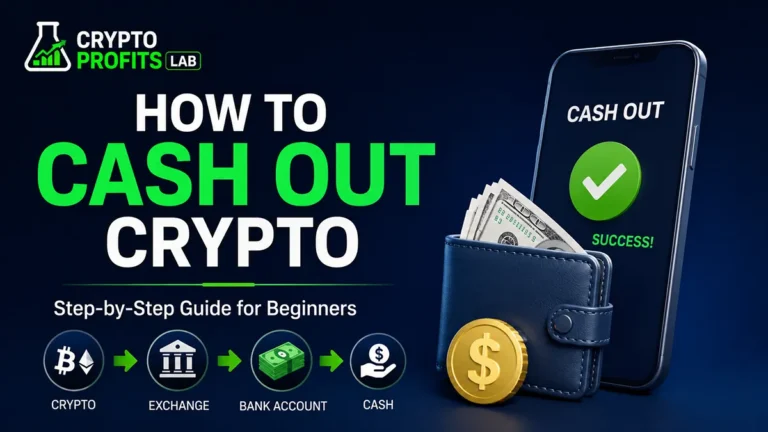
After selling, your account balance updates. If you sold into dollars, you may be able to withdraw that cash to your bank account. If you sold into a stablecoin, it may remain as crypto inside your account.
Selling crypto can also create tax reporting responsibilities. Beginners should keep records of purchases, sales, trades, and transfers. Crypto tax rules can be confusing, so it helps to learn the basics early. Read Crypto Taxes for Beginners before you make many transactions.
Final Thoughts
A crypto exchange is one of the most important tools beginners will use. It helps you buy, sell, and trade cryptocurrency through an online platform. For many people, it is the first step into crypto.
But beginners should not treat exchanges like simple games or normal shopping apps. Real money is involved. Fees matter. Security matters. Mistakes can be expensive.
Start with the basics. Choose a beginner-friendly platform. Turn on two-factor authentication. Start small. Learn how fees, wallets, addresses, and withdrawals work before moving larger amounts.
Crypto Profits Lab is built to make crypto education cleaner, simpler, and easier to trust. A crypto exchange can be useful, but the smartest beginners learn how the tool works before relying on it.
Crypto Exchange FAQ
What is a crypto exchange used for?
A crypto exchange is used to buy, sell, and trade cryptocurrency. Beginners often use one to buy Bitcoin, Ethereum, or stablecoins with regular money. Some exchanges also let users trade one crypto for another, view charts, and withdraw funds to a wallet. The main purpose is to make crypto easier to access.
Is a crypto exchange the same as a wallet?
No. A crypto exchange is a platform for buying, selling, or trading crypto. A wallet is a tool for storing and managing access to crypto. Some exchanges provide built-in wallets, but that does not always give users full control. Beginners should learn the difference before moving large amounts of money.
Are crypto exchanges safe for beginners?
A crypto exchange can be safe for beginners when used carefully, but no platform is risk-free. Safety depends on the exchange, account security, and user behavior. Beginners should use strong passwords, enable two-factor authentication, avoid phishing links, and start with small amounts while learning how the platform works.
What should beginners look for in a crypto exchange?
Beginners should look for simple design, clear fees, strong security, easy deposits and withdrawals, helpful support, and a good reputation. The best choice is not always the platform with the most coins. A beginner-friendly crypto exchange should make buying, selling, and account safety easy to understand.
Can I lose money using a crypto exchange?
Yes. You can lose money if crypto prices fall, if you trade too often, if you pay high fees, or if you make security mistakes. You can also lose funds by sending crypto to the wrong address or network. Beginners should start small and understand the risks before depositing larger amounts.
Do I need identity verification to use a crypto exchange?
Many centralized exchanges require identity verification before you can buy, sell, or withdraw. This may include your name, address, date of birth, and photo ID. Decentralized exchanges usually work differently, but they are harder for beginners. Verification rules depend on the platform and location.
What is the easiest crypto exchange for beginners?
The easiest crypto exchange for beginners is usually one with a simple app, clear fees, strong security settings, and helpful educational tools. The best option depends on your country, payment method, and goals. Beginners should compare platforms carefully instead of choosing only because of advertising or social media hype.
Should I keep my crypto on an exchange?
Keeping a small amount on an exchange may be convenient while learning. For larger amounts or long-term holding, many users prefer moving crypto to a personal wallet. A wallet gives more control, but it also requires careful seed phrase and private key safety. Beginners should learn wallet basics first.